Legacy Realty
Logo
Our Journal

Blogs &
News

Stay updated with the latest trends, investment opportunities, and lifestyle insights in the heart of UAE real estate.

Investment
June 10, 2026

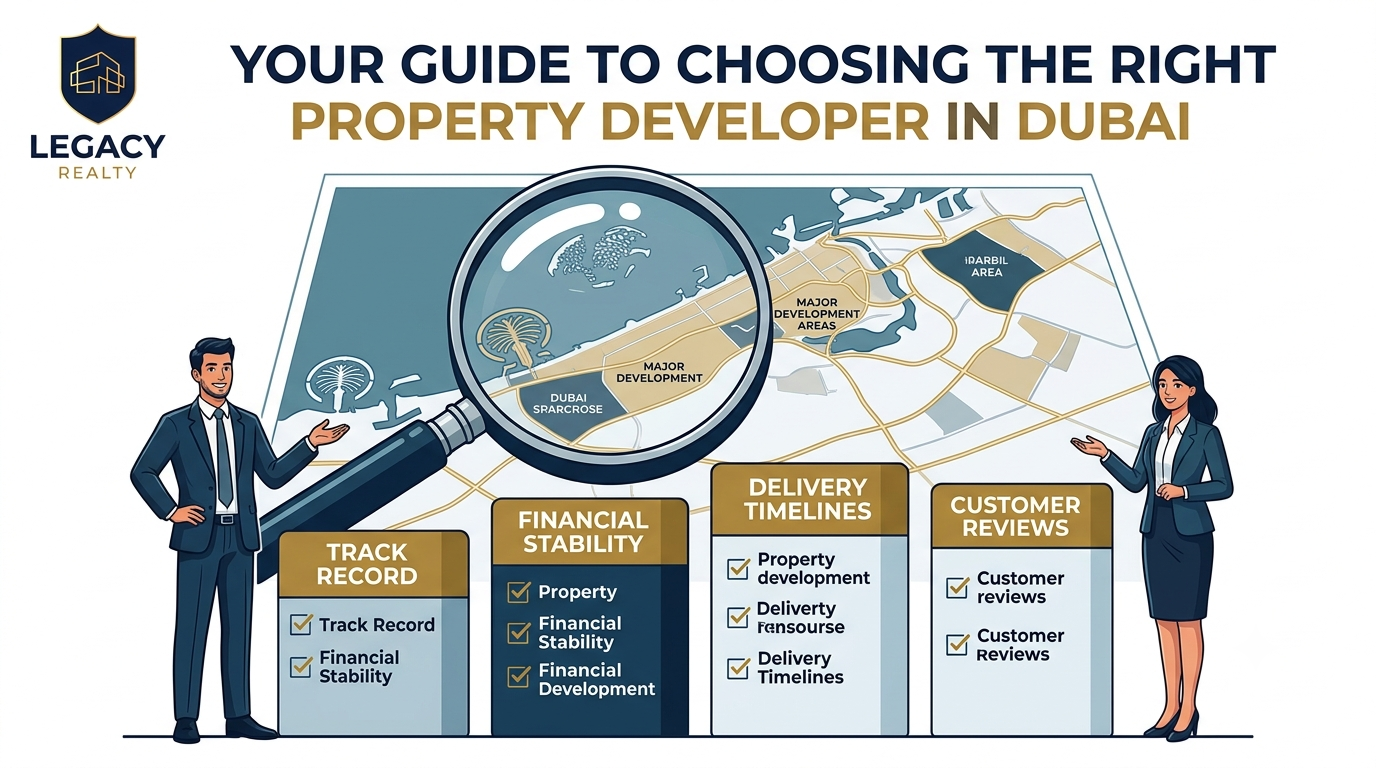
How to Choose the Right Property Developer in Dubai

Dubai's real estate market continues to attract investors and homebuyers from around the world. With hundreds of residential and commercial projects launching every year, choosing the right developer can significantly impact your investment's success, property quality, and long-term returns.Whether you're purchasing your first apartment, investing in an off-plan property, or expanding your real estate portfolio, understanding how to evaluate developers is essential. This guide explains the key credibility checks, project history assessments, and escrow account verifications that help buyers identify the best property developers Dubai has to offer.Why Choosing the Right Property Developer MattersA property developer influences every aspect of your investment, including:Construction qualityProject delivery timelinesCommunity planningProperty value appreciationRental demandPost-handover maintenanceSelecting a reputable developer reduces investment risks and increases the likelihood of receiving a property that meets promised specifications.Understanding Dubai's Real Estate Development LandscapeDubai is home to numerous large-scale and boutique developers. While many have established strong reputations, others may have limited track records or newer project portfolios.Before committing to a purchase, buyers should evaluate developers based on measurable criteria rather than marketing materials alone.Key Factors to Consider When Choosing a Property DeveloperCheck the Developer's Track RecordA developer's history often provides the clearest indication of future performance.Review Completed ProjectsStart by examining projects completed within the last five to ten years. Look for:Construction qualityBuilding maintenance standardsOccupancy ratesCommunity amenitiesResident satisfactionVisiting completed developments can offer valuable firsthand insights.Evaluate Delivery TimelinesConsistently delayed projects may indicate operational or financial challenges.Ask:Were previous projects delivered on schedule?How significant were any delays?Did the developer communicate effectively with buyers?Developers with a strong delivery record generally present lower investment risks.Assess Financial StabilityFinancial strength is critical, particularly for off-plan developments.A financially secure developer is more likely to:Complete projects on timeMaintain construction qualityHonor contractual obligationsManage unforeseen market challengesResearch the company's size, years in operation, and investment portfolio to gauge stability.Verify Regulatory ComplianceDubai maintains a highly regulated real estate sector designed to protect investors.Confirm Registration with AuthoritiesAlways ensure the developer is registered with the appropriate regulatory bodies and licensed to operate within Dubai's real estate market.Regulatory compliance demonstrates legitimacy and accountability.The Importance of Escrow AccountsWhat Is an Escrow Account?An escrow account is a protected bank account where buyers' payments are deposited during construction.Funds are released to developers in stages based on verified construction progress.Why Escrow Accounts Protect BuyersEscrow accounts provide several advantages:Improved financial transparencyReduced risk of project abandonmentProtection of buyer fundsEnhanced project accountabilityWhen evaluating developers, always confirm that off-plan projects are supported by approved escrow arrangements.Questions to Ask About Escrow ProtectionBefore signing any agreement, ask:Is the project linked to a registered escrow account?Which bank manages the account?How are construction milestones verified?What safeguards exist if delays occur?These questions help minimize financial risk.Research Customer Reviews and Market ReputationAnalyze Buyer FeedbackCustomer experiences often reveal details that marketing campaigns overlook.Look for recurring comments about:Build qualityCustomer serviceHandover processesWarranty supportMaintenance responsivenessA pattern of positive reviews may indicate consistent performance.Check Industry RecognitionAwards and industry recognition should not be the sole deciding factor, but they can support a developer's credibility.Consider:Real estate awardsSustainability certificationsDesign excellence recognitionsCommunity development achievementsExamine Construction Quality StandardsVisit Existing PropertiesOne of the most effective ways to assess quality is through site visits.Pay attention to:Finishing materialsCommon area maintenanceLandscaping qualityParking facilitiesStructural appearanceCompare Promises With RealityReview original marketing materials and compare them with completed projects.Ask yourself:Were promised amenities delivered?Does the final product match promotional visuals?Are residents satisfied with the outcome?Consistency reflects professionalism and reliability.Evaluate Transparency and CommunicationClear Documentation MattersProfessional developers provide transparent information regarding:Payment plansConstruction schedulesService chargesLegal documentationHandover expectationsAvoid developers that provide vague or incomplete details.Responsiveness Indicates ProfessionalismEffective communication during the sales process often reflects how issues will be handled after purchase.Consider:Response timesAccuracy of informationWillingness to answer questionsTransparency about risks and timelinesCompare Multiple Developers Before Making a DecisionCreate a Developer Comparison ChecklistUse a structured approach when comparing options.Developer Evaluation CriteriaFactorWhat to AssessTrack RecordCompleted projects and delivery historyFinancial StabilityCompany strength and market presenceEscrow ProtectionRegistered escrow accountsConstruction QualityMaterials and workmanshipCustomer ReviewsResident and investor feedbackTransparencyDocumentation and communicationCommunity PlanningAmenities and long-term visionComparing developers side by side helps identify the most reliable option.Warning Signs to Watch ForUnrealistic PromisesBe cautious of developers offering:Guaranteed investment returnsExtremely low prices compared to market ratesUnrealistically short completion timelinesLimited Project HistoryNew developers are not necessarily risky, but buyers should conduct additional due diligence when evaluating companies with limited experience.Poor CommunicationDelayed responses, inconsistent information, and lack of transparency may indicate future service issues.Benefits of Choosing Established Property DevelopersWorking with established developers often provides:Greater project reliabilityProven construction qualityStronger resale potentialBetter financing optionsMore comprehensive after-sales supportMany investors specifically target the best property developers Dubai because of their ability to deliver long-term value and reduce uncertainty.Frequently Asked QuestionsHow can I verify a property developer's credibility in Dubai?Review completed projects, verify regulatory compliance, confirm escrow account arrangements, assess customer reviews, and evaluate the developer's financial stability.Why are escrow accounts important in Dubai real estate?Escrow accounts protect buyer funds by ensuring payments are released according to verified construction progress rather than directly to the developer.Should I buy from a new developer?New developers can offer attractive opportunities, but additional research is necessary due to their limited track record. Focus on financial strength, partnerships, and project management experience.What makes the best property developers Dubai investors trust?Reliable delivery records, high-quality construction, transparent communication, strong financial standing, and positive customer feedback are among the most important factors.ConclusionChoosing the right developer is one of the most important decisions in any Dubai property investment. By conducting thorough credibility checks, reviewing project histories, verifying escrow protections, and assessing construction quality, buyers can significantly reduce risk and improve investment outcomes.The best property developers Dubai investors trust have proven track records, transparent business practices, strong financial foundations, and a commitment to delivering quality projects. Taking the time to perform proper due diligence today can help secure a more successful and profitable real estate investment tomorrow.
Read Full Article
Investment
June 08, 2026

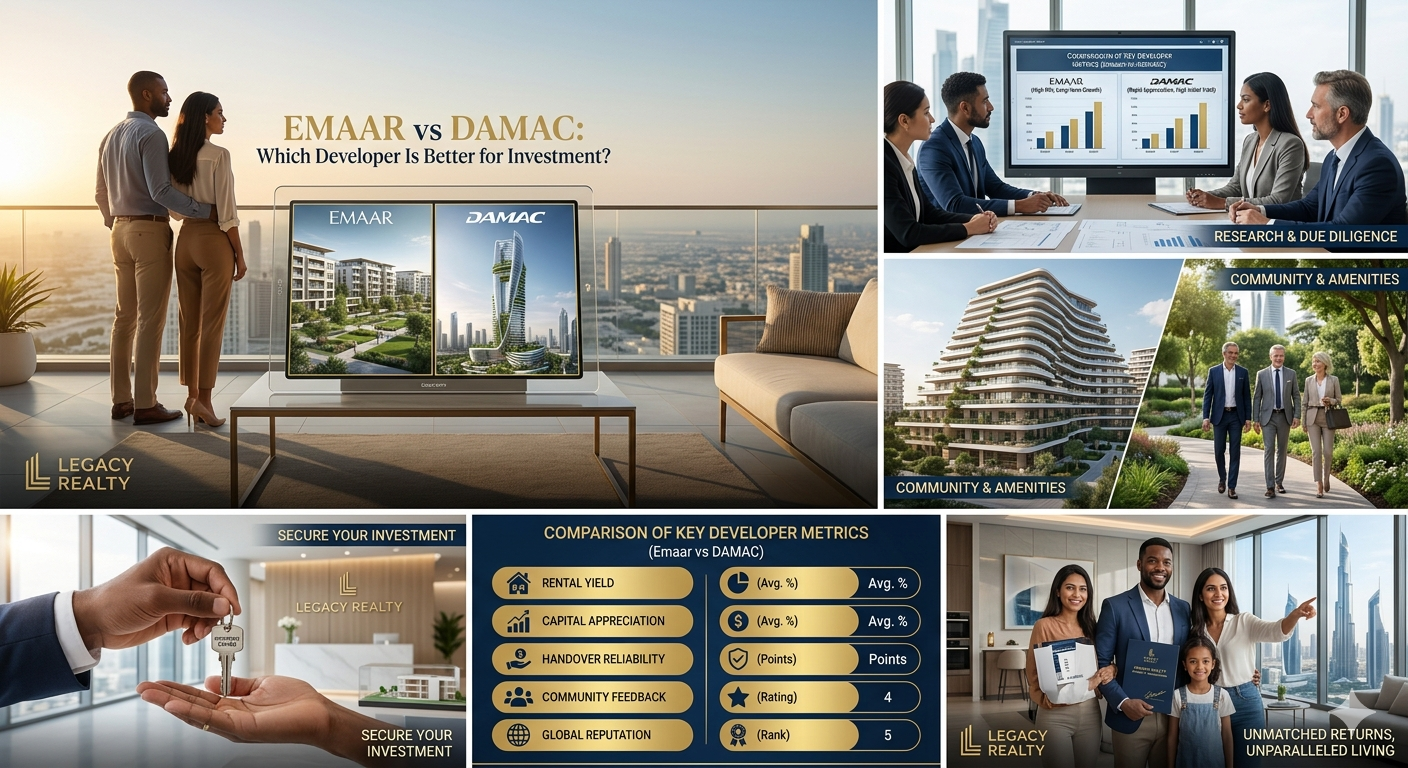
Emaar vs DAMAC Comparison: Which Developer Is Better for Investment?

Dubai's real estate market continues to attract global investors seeking strong rental yields, tax advantages, and long-term capital appreciation. Among the city's leading developers, Emaar and DAMAC consistently dominate investor discussions.When conducting an Emaar vs DAMAC comparison, investors typically focus on four key factors:Property pricingReturn on investment (ROI)Construction qualityProject delivery and long-term valueBoth developers have established strong reputations, but they cater to different investor profiles. Understanding their strengths and weaknesses can help you make a more profitable investment decision.Quick Overview: Emaar vs DAMACFactorEmaarDAMACEstablished19972002Market PositionPremium master developerLuxury-focused developerFlagship CommunitiesDowntown Dubai, Dubai Hills Estate, Dubai MarinaDAMAC Hills, DAMAC Lagoons, DAMAC Hills 2Investor AppealStability and long-term growthHigher yield potential and lower entry pricesProperty QualityConsistently highGood to excellent depending on projectDelivery RecordStrong and reliableImproved significantly in recent yearsCapital AppreciationStrong historical performanceCompetitive in emerging communitiesWhy Emaar and DAMAC Dominate Dubai's Property MarketBoth developers have shaped Dubai's skyline and residential landscape.Emaar's Market PresenceEmaar is widely recognized for developing some of Dubai's most iconic destinations, including:Downtown DubaiDubai Hills EstateDubai MarinaArabian RanchesEmaar BeachfrontIts projects are known for premium locations, strong community planning, and long-term value retention.DAMAC's Market PresenceDAMAC has built a reputation around luxury living and branded residences. Its portfolio includes:DAMAC HillsDAMAC LagoonsDAMAC Hills 2Branded developments with luxury fashion and hospitality brandsThe developer often attracts investors seeking luxury properties at relatively accessible price points.Pricing Comparison: Emaar vs DAMACPricing is often the first consideration for investors.Emaar Property PricesEmaar properties generally command a premium due to:Prime LocationsMany Emaar projects are located in established districts with strong infrastructure and demand.Strong Brand ValueBuyers are often willing to pay more for the perceived security associated with Emaar developments.Community InfrastructureSchools, parks, retail centers, and transportation access contribute to higher property values.Typical Pricing RangeEmaar apartments and villas often cost:10%–30% more than comparable DAMAC propertiesHigher price per square foot in prime locationsDAMAC Property PricesDAMAC frequently offers lower entry prices, especially in newer communities.Attractive Payment PlansInvestors often benefit from:Extended payment schedulesPost-handover plansLower initial down paymentsCompetitive Launch PricesDAMAC tends to launch projects aggressively, creating opportunities for early investors.Typical Pricing AdvantageCompared to Emaar, DAMAC properties can offer:Lower purchase pricesBetter affordability for first-time investorsHigher leverage opportunitiesWinner for Affordability: DAMACInvestors with limited capital may find DAMAC more accessible.ROI Comparison: Which Developer Offers Better Returns?Rental income remains one of the most important investment metrics.Emaar Rental Yield PerformanceEmaar communities benefit from:Strong Tenant DemandEstablished locations attract:ProfessionalsFamiliesCorporate tenantsInternational residentsLower Vacancy RatesPremium communities often maintain strong occupancy levels.Stable Rental GrowthRental rates in Emaar communities tend to rise steadily over time.Average Rental YieldMost Emaar communities generate approximately:5% to 8% annual rental yieldDAMAC Rental Yield PerformanceDAMAC developments often target investors seeking stronger cash flow.Lower Purchase CostsBecause acquisition costs are lower, rental yields can appear more attractive.Emerging Community GrowthCommunities such as DAMAC Hills and DAMAC Lagoons have experienced increasing demand.Investor-Friendly PricingThe gap between purchase price and rental income often improves ROI metrics.Average Rental YieldMany DAMAC properties deliver:6% to 9% annual rental yieldWinner for Rental Yield: DAMACFor pure income-focused investors, DAMAC frequently offers slightly higher rental returns.Capital Appreciation: Which Developer Builds More Long-Term Value?While rental yield matters, capital appreciation often determines overall investment success.Emaar's Appreciation PotentialEmaar has demonstrated strong historical appreciation due to:Prime Land AcquisitionMany projects are located in highly desirable areas.Established CommunitiesMature neighborhoods tend to preserve value more effectively.Strong Resale DemandProperties from Emaar often attract local and international buyers.Key Appreciation DriversLimited premium inventoryStrong brand recognitionContinuous infrastructure improvementsDAMAC's Appreciation PotentialDAMAC properties can also appreciate significantly, especially during growth phases.Early-Stage Community InvestmentInvestors entering new DAMAC developments often benefit from:Launch discountsCommunity expansionInfrastructure developmentHigher Upside PotentialSome DAMAC projects offer stronger short-term appreciation opportunities.Risk ConsiderationsAppreciation can vary more widely depending on:LocationProject typeMarket cycleWinner for Long-Term Appreciation: EmaarEmaar generally provides more consistent capital growth over time.Construction Quality and Community DevelopmentProject quality directly impacts tenant demand and resale value.Emaar Construction QualityEmaar is known for:Consistent Build StandardsProjects typically feature:High-quality finishesWell-maintained common areasStrong facility managementMaster-Planned CommunitiesEmaar developments prioritize:WalkabilityGreen spacesCommunity amenitiesLong-term sustainabilityResident SatisfactionEmaar communities consistently rank among Dubai's most desirable residential locations.DAMAC Construction QualityDAMAC has significantly improved its standards over the years.Luxury-Oriented DesignMany developments emphasize:Resort-style amenitiesPremium aestheticsLifestyle-focused livingBranded CollaborationsDAMAC has partnered with global luxury brands to create distinctive projects.Quality VariabilityWhile many DAMAC projects perform well, quality consistency can vary more between developments compared to Emaar.Winner for Construction Quality: EmaarEmaar generally maintains a stronger reputation for consistency and long-term community quality.Project Delivery and Completion Track RecordDelivery reliability remains a major concern for investors.Emaar Delivery PerformanceEmaar has built investor confidence through:Strong Execution HistoryThe developer has delivered numerous large-scale communities successfully.Financial StabilityIts market position supports continued project completion and maintenance.Predictable TimelinesMany investors view Emaar as one of Dubai's most dependable developers.DAMAC Delivery PerformanceDAMAC has experienced both successes and challenges throughout its growth.Improved Project ManagementRecent developments have shown stronger delivery performance.Large Development PipelineThe company continues to expand aggressively across Dubai.Historical ConcernsSome earlier projects experienced delays, although delivery standards have improved considerably.Winner for Delivery Reliability: EmaarInvestors prioritizing certainty often prefer Emaar's track record.Emaar vs DAMAC: Best Developer by Investor TypeChoose Emaar If You Want:Stable Long-Term GrowthIdeal for investors seeking:Wealth preservationConsistent appreciationLower investment riskPremium LocationsBest suited for buyers who value established communities.Strong Resale DemandEmaar properties often enjoy greater liquidity in the secondary market.Choose DAMAC If You Want:Higher Rental YieldsSuitable for investors focused on monthly cash flow.Lower Entry CostsA strong option for first-time Dubai property investors.Growth OpportunitiesInvestors willing to take moderate risk may benefit from emerging DAMAC communities.Pros and Cons: Emaar vs DAMACEmaar ProsExcellent brand reputationStrong delivery track recordPremium communitiesConsistent appreciationHigh resale demandEmaar ConsHigher purchase pricesLower initial yields in some locationsGreater capital requirementDAMAC ProsCompetitive pricingHigher potential rental yieldsAttractive payment plansStrong luxury offeringsGrowth-focused communitiesDAMAC ConsMore variation in project performanceHistorical delivery concerns on some projectsAppreciation can be less predictableFinal Verdict: Emaar vs DAMAC ComparisonThe outcome of an Emaar vs DAMAC comparison depends largely on your investment goals.If your priority is long-term capital appreciation, community quality, and delivery reliability, Emaar remains the stronger choice. Its premium developments have consistently demonstrated resilience and value growth across market cycles.However, if your objective is maximizing rental yields, entering the market at a lower cost, and capturing growth opportunities in emerging communities, DAMAC may offer better investment potential.Bottom LineEmaar Is Better For:Conservative investorsLong-term wealth creationPremium property ownershipStable appreciationDAMAC Is Better For:Yield-focused investorsBudget-conscious buyersGrowth-oriented investment strategiesFlexible payment plansFor most long-term investors, Emaar holds a slight advantage due to its stronger delivery history, premium locations, and consistent asset performance. However, DAMAC remains a compelling option for investors seeking higher returns and lower entry barriers in Dubai's dynamic property market.Primary Keyword Usage: Emaar vs DAMAC comparisonSecondary Keywords: Emaar vs DAMAC, Dubai property developers, Emaar investment, DAMAC investment, Dubai real estate ROI, Dubai property investment, Emaar properties, DAMAC properties.
Read Full Article
Investment
June 06, 2026

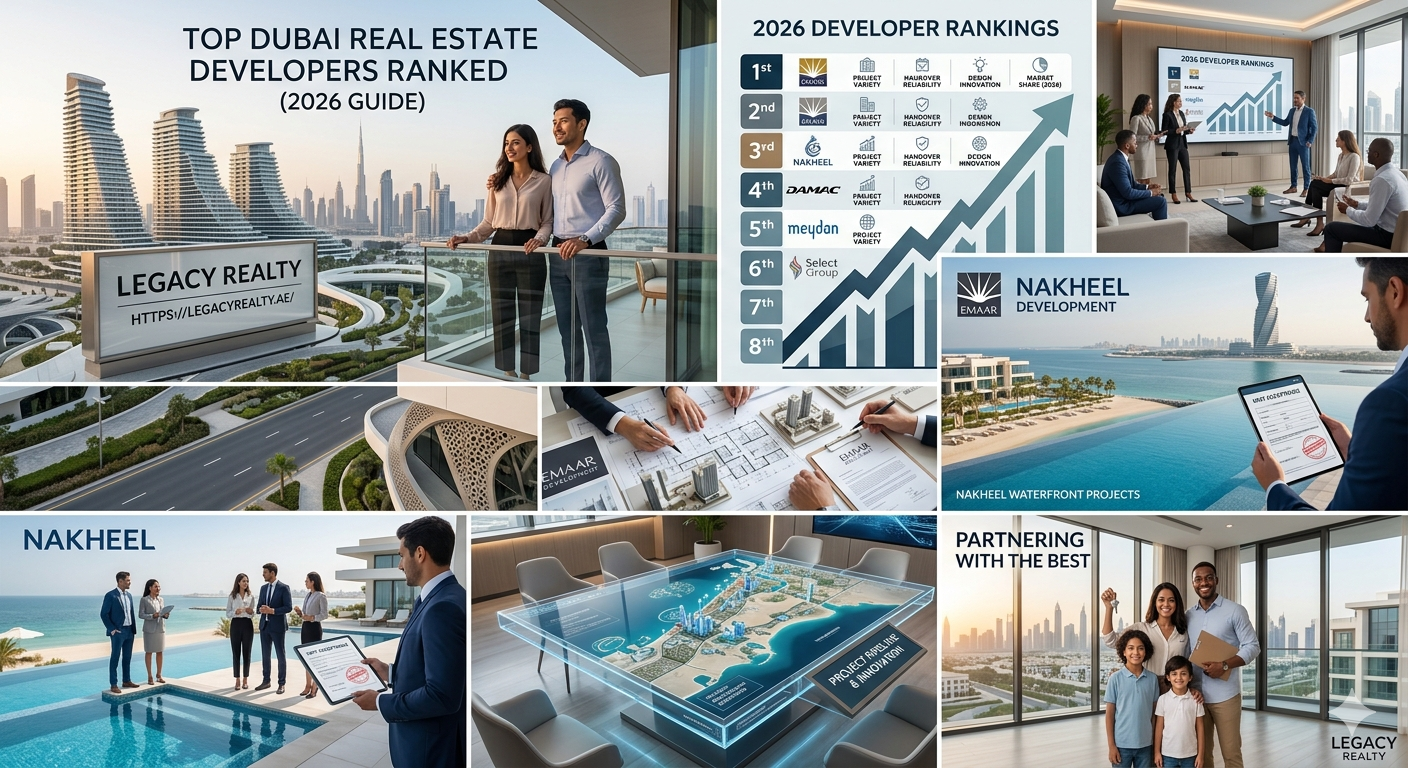
Top Developers in Dubai Real Estate Ranked (2026 Guide)

Dubai's property market continues to attract investors from around the world, but choosing the right developer remains one of the most important investment decisions. A strong developer can influence property appreciation, rental demand, construction quality, and project delivery timelines.In this 2026 guide, we rank the top developers in Dubai real estate based on:Delivery track recordProject qualityBrand reputationCommunity developmentInvestor confidenceResale performanceLong-term value creationQuick Rankings: Top Developers in Dubai Real Estate (2026)RankDeveloperBest Known ForOverall Rating#1Emaar PropertiesMaster-planned communities and iconic landmarks9.8/10#2Sobha RealtyConstruction quality and luxury developments9.4/10#3NakheelWaterfront communities and mega projects9.1/10#4DAMAC PropertiesLuxury residences and branded projects8.8/10  Why Developer Reputation Matters in DubaiMany Dubai investors focus solely on location and price. However, the developer often has a bigger impact on long-term returns.A reputable developer typically offers:Better build qualityStronger resale demandMore reliable handover schedulesBetter community managementHigher rental occupancyProjects from established developers frequently command a premium compared to similar properties built by lesser-known companies.  #1 Emaar Properties – The Market LeaderOverviewWhen discussing the top developers in Dubai real estate, Emaar remains the benchmark.Founded in 1997, Emaar is responsible for shaping modern Dubai through large-scale master communities and globally recognized landmarks. The company has delivered more than 100,000 residential units and maintains one of the strongest delivery records in the market.Signature ProjectsBurj KhalifaDubai MallDowntown DubaiDubai Hills EstateDubai Creek HarbourArabian RanchesStrengthsProven Delivery Track RecordIndustry data places Emaar among the strongest developers for on-time project delivery, with approximately 92% of projects delivered within six months of scheduled completion.Strong Resale MarketProperties developed by Emaar often achieve higher liquidity and stronger resale demand due to brand trust and community planning.Financial StrengthAs Dubai's largest publicly listed developer, Emaar benefits from strong revenues, significant project backlogs, and public market transparency.WeaknessesPremium pricing compared to competitorsNewer project layouts occasionally receive criticism from investorsLimited discounts due to strong demandBest ForLong-term investorsOverseas buyersFamilies seeking established communitiesBuyers prioritizing lower risk  #2 Sobha Realty – The Quality ChampionOverviewSobha Realty has built a reputation for exceptional construction quality and attention to detail.Unlike many developers, Sobha controls much of its construction process internally, giving it greater oversight over workmanship and project standards. This vertical integration has helped position Sobha among Dubai's most respected luxury developers.Signature ProjectsSobha HartlandSobha Hartland IISobha ReserveStrengthsSuperior Construction QualitySobha consistently ranks among the most highly regarded developers for finishing standards and structural quality.Luxury PositioningProjects appeal strongly to premium buyers seeking long-term capital preservation.Strong Delivery PerformanceIndustry reports place Sobha's delivery performance near the top of the Dubai market.WeaknessesHigher entry pricesSmaller project portfolio compared to EmaarLess community scaleBest ForLuxury buyersEnd-users prioritizing qualityLong-term wealth preservation investors  #3 Nakheel – The Infrastructure GiantOverviewNakheel transformed Dubai's global image through landmark waterfront developments.The developer specializes in large-scale master planning and remains one of the most influential names in Dubai real estate.Signature ProjectsPalm JumeirahJumeirah IslandsDiscovery GardensThe World IslandsStrengthsIconic DevelopmentsPalm Jumeirah remains one of the world's most recognizable real estate projects and continues to command premium property values.Government-Backed ConfidenceNakheel benefits from strong institutional support and plays a strategic role in Dubai's urban planning.Waterfront ExpertiseFew developers can match Nakheel's experience in creating waterfront communities.WeaknessesProject timelines can vary depending on project complexityLess active launch pipeline than EmaarBest ForWaterfront investorsLuxury buyersLong-term appreciation strategies  #4 DAMAC Properties – The Luxury Lifestyle SpecialistOverviewDAMAC has established itself as one of Dubai's leading luxury developers through branded residences and lifestyle-focused communities.The company has partnered with globally recognized luxury brands to create unique residential offerings.Signature ProjectsDAMAC HillsDAMAC LagoonsCavalli TowerAYKON CityStrengthsLuxury Brand PartnershipsDAMAC has successfully differentiated itself through collaborations with luxury brands and designers.Aggressive Investor IncentivesFlexible payment plans often appeal to overseas investors.Strong Luxury Market PresenceThe developer remains highly visible in Dubai's premium property segment.WeaknessesDelivery consistency trails Emaar and Sobha according to some market analysesGreater variation between projects compared to competitorsBest ForLifestyle investorsLuxury property buyersShort-to-medium-term investment strategies  Head-to-Head Comparison: Dubai's Top DevelopersDelivery Track RecordDeveloperDelivery PerformanceEmaarExcellentSobha RealtyExcellentNakheelVery GoodDAMACGoodConstruction QualityDeveloperBuild QualitySobha RealtyExcellentEmaarVery GoodNakheelVery GoodDAMACGoodResale PerformanceDeveloperResale DemandEmaarExcellentNakheelVery GoodSobha RealtyVery GoodDAMACGoodCommunity DevelopmentDeveloperCommunity PlanningEmaarExcellentNakheelExcellentSobha RealtyVery GoodDAMACVery Good  Which Dubai Developer Is Best for Investors?The answer depends on your investment goals.Choose Emaar If You WantStrongest brand recognitionHigh resale liquidityEstablished communitiesLower investment riskChoose Sobha Realty If You WantSuperior construction qualityLuxury-focused developmentsPremium long-term assetsChoose Nakheel If You WantWaterfront exposureLandmark communitiesScarcity-driven appreciationChoose DAMAC If You WantLuxury lifestyle projectsFlexible payment plansBranded residences  Final Verdict: Top Developers in Dubai Real EstateFor 2026, Emaar Properties remains the undisputed leader among the top developers in Dubai real estate, thanks to its unmatched delivery history, financial strength, resale performance, and master-planned communities.However, investors focused on construction quality may prefer Sobha Realty, while buyers seeking iconic waterfront assets should consider Nakheel. For luxury lifestyle investments and branded residences, DAMAC continues to be a strong contender.Ultimately, the best developer is the one that aligns with your investment objectives, budget, and risk tolerance—but these four companies consistently rank at the top of Dubai's real estate market in 2026.Frequently Asked QuestionsWho is the best real estate developer in Dubai?Emaar is widely considered the leading developer due to its delivery record, iconic projects, strong financial position, and resale demand.Which Dubai developer has the best construction quality?Sobha Realty is often regarded as one of the highest-quality developers because of its vertically integrated construction model.Is DAMAC a good developer for investment?Yes. DAMAC offers strong luxury-focused projects and attractive payment plans, making it popular among international investors.Which developer built Palm Jumeirah?Nakheel developed Palm Jumeirah, one of Dubai's most famous waterfront communities.Are Emaar properties a good investment in 2026?Many investors consider Emaar properties among the safest choices in Dubai due to strong brand equity, community management, and historical resale performance
Read Full Article
Investment
June 03, 2026

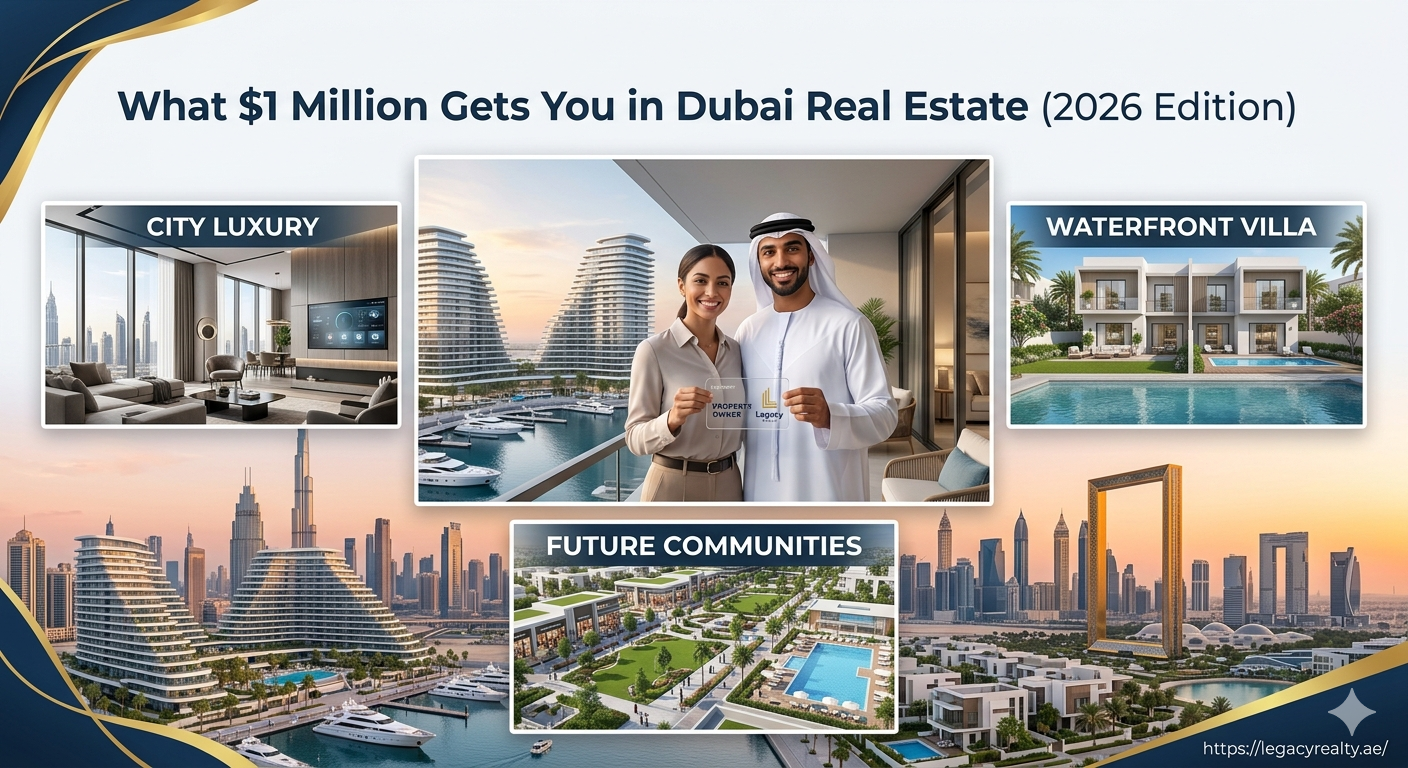
What $1 Million Gets You in Dubai Real Estate (2026 Edition)

Dubai continues to attract global investors, expatriates, and high-net-worth individuals seeking strong returns, tax advantages, and world-class lifestyles. But with prices varying significantly across communities, many buyers ask the same question: What exactly can $1 million buy in Dubai in 2026?This comprehensive Dubai property price comparison breaks down the types of properties available for approximately $1 million (AED 3.67 million), helping investors and homebuyers understand where their budget goes the furthest.Whether you're considering a waterfront apartment, family villa, or luxury branded residence, this guide offers valuable insights into Dubai's diverse real estate landscape.  Why $1 Million Is a Key Benchmark in Dubai Real EstateA budget of $1 million places buyers in a unique segment of Dubai's property market. It opens access to:Premium apartments in prime districtsMid-sized villas in family communitiesLuxury townhousesSelect branded residencesInvestment-grade rental propertiesCompared to major global cities like London, New York, Hong Kong, or Singapore, Dubai continues to offer exceptional value per square foot.  Dubai Property Price Comparison: What $1 Million Buys Across Different AreasProperty value varies considerably depending on location, amenities, views, and property type.Downtown DubaiTypical Property TypeLuxury ApartmentWhat You Can ExpectWith a $1 million budget, buyers can typically purchase:1 to 2-bedroom luxury apartment1,000–1,500 sq ftPremium building amenitiesPartial Burj Khalifa or fountain viewsWho It's Best ForInvestors seeking strong rental demandProfessionals wanting a central locationBuyers prioritizing luxury livingAdvantagesHigh rental yieldsStrong resale demandPrestigious addressLimitationsSmaller living space compared to suburban communitiesPremium service charges  Dubai MarinaTypical Property TypeWaterfront ApartmentWhat You Can ExpectA $1 million budget can secure:Spacious 2 to 3-bedroom apartment1,300–2,000 sq ftMarina or sea viewsAccess to beaches and retailWho It's Best ForExpatsShort-term rental investorsLifestyle-focused buyersAdvantagesStrong tourism demandVibrant community atmosphereExcellent connectivityLimitationsTraffic congestion during peak hoursHigher competition in rental market  Palm JumeirahTypical Property TypeLuxury ApartmentWhat You Can ExpectAt this budget level, buyers can find:High-end 1 to 2-bedroom apartment1,100–1,600 sq ftBeach accessResort-style amenitiesWho It's Best ForLuxury buyersInternational investorsVacation home purchasersAdvantagesExclusive waterfront lifestyleStrong international appealHigh rental ratesLimitationsVillas generally exceed this budgetPremium maintenance costs  Business BayTypical Property TypeModern ApartmentWhat You Can ExpectApproximately $1 million can purchase:2 to 3-bedroom apartment1,400–2,200 sq ftCanal viewsNew developments with smart-home featuresWho It's Best ForYoung professionalsCorporate investorsLong-term landlordsAdvantagesClose to Downtown DubaiGrowing infrastructureCompetitive pricingLimitationsOngoing construction in some zonesVarying building quality  Arabian RanchesTypical Property TypeFamily VillaWhat You Can ExpectBuyers may secure:3 to 4-bedroom villa2,500–3,500 sq ftPrivate gardenCommunity parks and schoolsWho It's Best ForFamiliesLong-term residentsEnd usersAdvantagesSpacious layoutsEstablished communityFamily-oriented lifestyleLimitationsDistance from central business districtsHigher commuting times  Dubai Hills EstateTypical Property TypeTownhouse or VillaWhat You Can ExpectA $1 million investment can deliver:3 to 4-bedroom townhouseSelect smaller villas2,200–3,000 sq ftGolf course community accessWho It's Best ForFamiliesInvestors seeking appreciationUpscale suburban buyersAdvantagesModern master-planned communityHigh growth potentialStrong demand from residentsLimitationsPremium pricing compared to older communities  Jumeirah Village Circle (JVC)Typical Property TypeLarge Apartment or TownhouseWhat You Can ExpectFor the same budget:Multiple investment units or4-bedroom townhouse3,000+ sq ftWho It's Best ForYield-focused investorsBudget-conscious buyersPortfolio buildersAdvantagesAffordable entry pointStrong rental demandHigher rental yieldsLimitationsLess prestige than prime districtsVariable development quality  Property Type Comparison: How Far Does $1 Million Go?ApartmentsBest LocationsDowntown DubaiDubai MarinaPalm JumeirahBusiness BayTypical Size1,000–2,200 sq ftIdeal ForInvestorsProfessionalsHoliday-home buyers  TownhousesBest LocationsDubai Hills EstateJVCTown SquareMudonTypical Size2,000–3,500 sq ftIdeal ForGrowing familiesEnd users  VillasBest LocationsArabian RanchesDubailandThe ValleySelected Dubai Hills communitiesTypical Size2,500–4,000 sq ftIdeal ForFamilies seeking privacyLong-term residents  Dubai Property Price Comparison: Investment Potential by AreaHighest Rental Yield AreasJVCBusiness BayDubai MarinaArjanDubai SouthThese locations generally attract investors seeking stronger cash flow.  Strongest Capital Appreciation AreasPalm JumeirahDubai Hills EstateDowntown DubaiDubai Creek HarbourBusiness BayThese districts tend to attract long-term investors focused on asset growth.  Key Factors Affecting Property Value in DubaiLocationProperties near business districts, beaches, and metro stations typically command higher prices.Developer ReputationProjects by established developers often achieve stronger resale values.AmenitiesBuyers increasingly prioritize:Smart home technologyFitness facilitiesCo-working spacesConcierge servicesResort-style poolsView PremiumsProperties with:Burj Khalifa viewsSea viewsMarina viewsGolf course viewscan command significant premiums.  Is $1 Million Enough for Luxury Property in Dubai?The answer is yes—but the definition of "luxury" depends on location.In Prime Areas$1 million typically buys:Luxury apartmentPremium amenitiesPrestigious addressIn Emerging Areas$1 million can buy:Large townhouseSpacious villaMultiple investment unitsThis flexibility is one reason Dubai remains attractive to international buyers.  Dubai vs Global Cities: Value ComparisonCityTypical Property for $1 MillionDubaiLuxury apartment or family villaLondonSmall central apartmentNew YorkCompact condoSingaporeMid-sized apartmentHong KongSmall apartmentSydneyStandard apartmentDubai continues to offer significantly more space and amenities compared to many major global real estate markets.  Frequently Asked QuestionsHow much is $1 million in UAE dirhams in 2026?At an exchange rate of approximately AED 3.67 per US dollar, $1 million equals roughly AED 3.67 million.Can I buy a villa in Dubai for $1 million?Yes. Several communities, including Arabian Ranches, Dubailand, and selected Dubai Hills areas, offer villas within this budget range.Which Dubai area offers the best rental returns?JVC, Business Bay, and Dubai Marina are frequently among the strongest-performing rental markets.Is Dubai real estate still a good investment in 2026?Dubai remains attractive due to its tax-friendly environment, growing population, strong tourism sector, and ongoing infrastructure development.  Final ThoughtsWhen conducting a Dubai property price comparison, a $1 million budget provides remarkable flexibility. Buyers can choose between luxury apartments in iconic locations, spacious family villas in established communities, or investment-focused properties delivering attractive rental yields.The best option ultimately depends on your goals. If lifestyle and prestige are priorities, areas like Downtown Dubai and Palm Jumeirah stand out. If space and family living matter most, Dubai Hills Estate and Arabian Ranches offer excellent value. For investors, Business Bay and JVC continue to present compelling opportunities.As Dubai's real estate market evolves through 2026, understanding what your budget can realistically achieve is the first step toward making a confident and profitable property decision.
Read Full Article
Investment
May 25, 2026

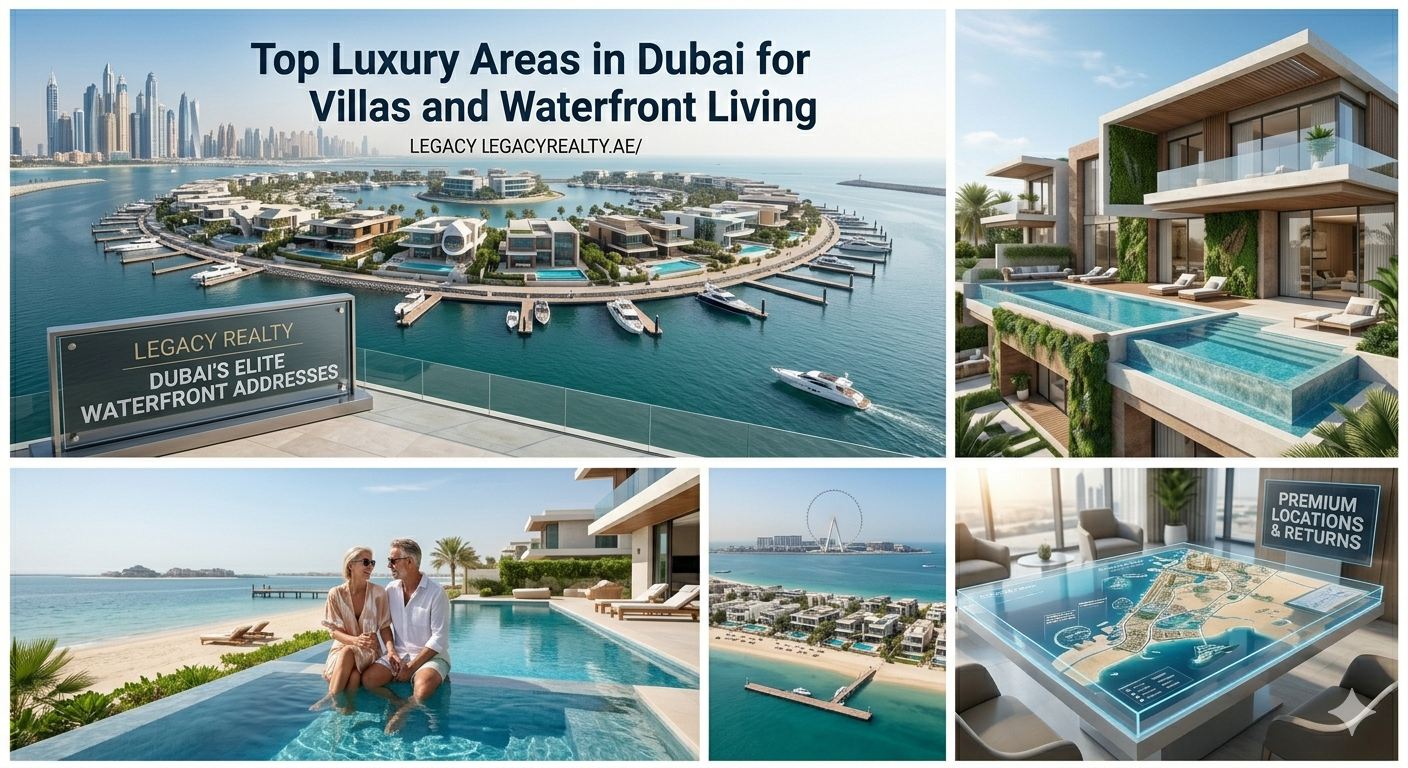
Top Luxury Areas in Dubai for Villas and Waterfront Living

Dubai has become one of the world’s most desirable destinations for high-end real estate. From iconic waterfront mansions to private golf-course villas, the city offers unmatched luxury living experiences for investors, expatriates, and ultra-high-net-worth individuals.If you are searching for the best luxury areas in Dubai, communities like Palm Jumeirah, Emirates Hills, and District One consistently stand out for their exclusivity, architecture, and premium lifestyle offerings.This guide explores the top luxury villa communities in Dubai, their unique features, property types, investment potential, and why they continue to attract global buyers.  Why Dubai Is a Global Hub for Luxury LivingDubai combines modern infrastructure, tax-friendly policies, world-class entertainment, and exceptional real estate developments. Luxury buyers are drawn to the city because of:High rental yields compared to global luxury marketsNo annual property taxPremium waterfront and golf-course communitiesSafe environment with world-class amenitiesStrong capital appreciation potentialResidency visa opportunities through property investmentThe luxury property market in Dubai continues to evolve with branded residences, smart villas, and ultra-exclusive gated communities.  Best Luxury Areas in Dubai for Villas and Waterfront LivingPalm Jumeirah – Dubai’s Most Iconic Waterfront DestinationWhy Palm Jumeirah Is One of the Top Luxury Areas in DubaiPalm Jumeirah is globally recognized as Dubai’s most prestigious waterfront address. Built in the shape of a palm tree, this man-made island features ultra-luxury villas, beachfront mansions, and high-end apartments with panoramic Arabian Gulf views.Palm Jumeirah attracts celebrities, entrepreneurs, and international investors looking for privacy, exclusivity, and direct beach access.Types of Luxury Properties in Palm JumeirahBuyers can find several premium property options, including:Signature VillasGarden HomesCustom-built beachfront mansionsLuxury penthousesBranded residencesMany villas include:Private beach accessInfinity poolsYacht docking facilitiesSmart home technologyPrivate gyms and spasLifestyle Benefits of Living in Palm JumeirahPalm Jumeirah offers a resort-style lifestyle with access to:Fine dining restaurantsLuxury beach clubsFive-star resortsHigh-end retail outletsMarina facilitiesWater sports activitiesResidents enjoy close proximity to Dubai Marina, Sheikh Zayed Road, and major entertainment destinations.Investment Potential in Palm JumeirahPalm Jumeirah remains one of the strongest-performing luxury real estate markets in Dubai due to limited supply and high global demand. Waterfront villas in the community consistently achieve premium rental returns and long-term capital appreciation.  Emirates Hills – The Beverly Hills of DubaiWhat Makes Emirates Hills a Premier Luxury CommunityEmirates Hills is considered one of the most exclusive gated villa communities in Dubai. Often referred to as the “Beverly Hills of Dubai,” the area is known for custom-designed mansions overlooking the Montgomerie Golf Course.The neighborhood is highly sought after by business executives, diplomats, and wealthy families seeking privacy and prestige.Luxury Villas in Emirates HillsUnlike many planned communities, Emirates Hills allows homeowners to build fully customized mansions.Properties commonly feature:Large plot sizesGolf-course viewsPrivate cinemasIndoor swimming poolsLandscaped gardensLuxury car garagesStaff accommodationsArchitectural styles range from contemporary modern to Mediterranean-inspired estates.Community Amenities in Emirates HillsResidents benefit from:24/7 gated securityElite schools nearbyGolf clubsLuxury hotelsFine dining venuesPremium healthcare facilitiesThe area also offers convenient access to Dubai Marina, Downtown Dubai, and major business districts.Why Investors Prefer Emirates HillsEmirates Hills has a reputation for long-term property value stability due to its exclusivity and low-density development. Luxury villas in this community are often considered trophy assets in Dubai’s real estate market.  District One – Modern Waterfront Luxury LivingWhy District One Is Among the Best Luxury Areas in DubaiDistrict One, located within Mohammed Bin Rashid City, is one of Dubai’s most modern luxury communities. The area is famous for its Crystal Lagoon, contemporary villas, and proximity to Downtown Dubai.District One appeals to buyers who prefer modern architecture, wellness-focused living, and waterfront surroundings.Types of Villas in District OneThe community offers a mix of:Contemporary villasMediterranean villasModern Arabic villasWaterfront mansionsLuxury homes in District One often include:Floor-to-ceiling glass designsLagoon-facing viewsSmart automation systemsPrivate poolsExpansive outdoor entertainment spacesLifestyle and Amenities in District OneDistrict One is designed for premium urban living with access to:Crystal Lagoon beachesCycling tracksRunning trailsGreen parksLuxury retail optionsExclusive fitness centersIts location near Downtown Dubai makes it ideal for professionals and families seeking luxury with city convenience.Investment Opportunities in District OneDistrict One continues to attract local and international investors due to its strategic location and strong demand for luxury waterfront villas.The combination of modern infrastructure and premium amenities supports long-term property appreciation.  Comparing the Top Luxury Areas in DubaiPalm Jumeirah vs Emirates Hills vs District OnePalm JumeirahBest for:Waterfront livingBeachfront villasHoliday-home investmentsResort-style lifestyleEmirates HillsBest for:Ultra-private mansionsGolf-course livingFamily estatesLong-term wealth preservationDistrict OneBest for:Modern luxury villasWaterfront lagoon lifestyleCentral locationContemporary architectureEach community caters to different lifestyle preferences, but all remain among the top luxury areas in Dubai.  Key Factors to Consider Before Buying Luxury Property in DubaiLocation and AccessibilityChoose a community that aligns with your lifestyle and business needs. Waterfront areas provide scenic living, while central communities offer convenience.Property Type and DesignLuxury buyers should evaluate:Plot sizeArchitectural styleSmart home featuresPrivacy levelsOutdoor living spacesInvestment GoalsSome investors prioritize rental income, while others focus on long-term capital growth or lifestyle benefits.Developer ReputationAlways evaluate the track record of developers and the quality of previous projects.Future Market TrendsDubai’s luxury property market continues to benefit from infrastructure growth, tourism expansion, and increasing international demand.  Why International Buyers Are Investing in Dubai Luxury Real EstateDubai’s luxury property market attracts global investors because of:Strong economic growthInvestor-friendly regulationsGolden Visa opportunitiesHigh-quality infrastructureLuxury lifestyle experiencesSafe and stable environmentDemand for waterfront villas and branded luxury residences continues to rise among overseas buyers.  Tips for Buying Villas in Luxury Areas in DubaiWork With a Trusted Real Estate AgencyAn experienced luxury real estate consultant can help identify premium opportunities and negotiate favorable deals.Understand Ownership RegulationsForeign buyers should verify whether properties are located in freehold areas.Conduct Property InspectionsInspect construction quality, maintenance standards, and community facilities before purchasing.Evaluate ROI PotentialReview rental demand, historical appreciation rates, and upcoming developments in the area.Consider Lifestyle PreferencesChoose between beachfront living, golf-course communities, or urban waterfront environments depending on your priorities.  Future of Luxury Living in DubaiDubai continues to redefine luxury real estate through:Smart city innovationsSustainable developmentsBranded luxury residencesWellness-focused communitiesUltra-premium waterfront projectsThe city’s commitment to infrastructure and lifestyle excellence positions it as a leading destination for luxury property investment.  ConclusionWhen it comes to the best luxury areas in Dubai, Palm Jumeirah, Emirates Hills, and District One remain top choices for villas and waterfront living.Whether you are looking for beachfront exclusivity, golf-course mansions, or contemporary lagoon-side villas, Dubai offers world-class luxury communities tailored to every lifestyle.With strong investment potential, premium amenities, and international appeal, these luxury neighborhoods continue to shape the future of high-end living in the UAE.If you are planning to invest in luxury villas in Dubai, exploring these elite communities is the perfect place to start.  Frequently Asked QuestionsWhich is the best luxury area in Dubai for waterfront villas?Palm Jumeirah is widely considered the top destination for waterfront villas and beachfront luxury living.Is Emirates Hills a good investment?Yes, Emirates Hills is one of Dubai’s most prestigious villa communities and offers strong long-term value.Why is District One popular among luxury buyers?District One is known for its Crystal Lagoon, modern villas, central location, and premium lifestyle amenities.Can foreigners buy luxury villas in Dubai?Yes, foreigners can purchase freehold properties in designated areas across Dubai.Which luxury area in Dubai offers the highest privacy?Emirates Hills is highly regarded for privacy due to its gated environment and large custom-built mansions.
Read Full Article
Investment
May 21, 2026

Luxury Real Estate in Dubai: Why High-Net-Worth Investors Are Buying Now

Dubai has rapidly evolved into one of the world’s most desirable destinations for affluent investors seeking security, prestige, lifestyle, and long-term returns. The surge in demand for luxury real estate Dubai is no longer driven solely by regional buyers. Today, ultra-high-net-worth individuals from Europe, Asia, North America, and the Middle East are actively acquiring waterfront villas, branded residences, and penthouses across the emirate.From record-breaking transactions on Palm Jumeirah to the rise of branded luxury developments in Downtown Dubai and Dubai Marina, the city’s premium property sector is entering a new era of global relevance. Investors are moving quickly to secure high-value assets before inventory tightens further.In this guide, we explore why luxury real estate Dubai is attracting elite investors, which property segments are dominating the market, and what makes Dubai one of the strongest luxury investment destinations in 2026.  Why Luxury Real Estate in Dubai Is Experiencing Unprecedented DemandDubai’s luxury property market has transformed into a global safe haven for wealth preservation and lifestyle investment. Several factors are driving this momentum.Tax-Friendly Investment EnvironmentOne of the strongest advantages of investing in luxury real estate Dubai is the emirate’s favorable tax structure. Investors benefit from:Zero annual property taxNo capital gains taxNo inheritance tax on property ownershipStrong rental yields compared to global luxury hubsFor wealthy buyers looking to diversify internationally, Dubai presents an opportunity to protect and grow capital efficiently.Strategic Global LocationDubai connects Europe, Asia, and Africa within an eight-hour flight radius. This accessibility makes it ideal for international entrepreneurs, executives, and investors who require seamless global mobility.The city also offers:World-class airportsLuxury hospitality infrastructurePremium healthcare and educationHigh levels of personal safetyModern transportation systemsThese lifestyle advantages continue to fuel international demand for luxury homes.Residency Incentives for InvestorsThe UAE Golden Visa program has become a major catalyst for luxury property purchases. Investors acquiring qualifying properties can secure long-term residency, making Dubai increasingly attractive for family relocation and wealth migration.This policy shift has encouraged affluent buyers to purchase primary residences rather than purely speculative investments.  The Rise of Waterfront Villas in DubaiWaterfront properties remain among the most sought-after assets in the luxury real estate Dubai market.Why Waterfront Homes Command Premium PricesUltra-luxury buyers prioritize exclusivity, privacy, panoramic views, and direct beach access. Dubai’s waterfront villa communities deliver all four.Properties located along the coastline consistently outperform many inland developments due to limited supply and sustained international demand.Key features often include:Private beachesYacht accessInfinity poolsSmart home technologyCustom architectureExpansive outdoor entertainment areasThese homes are designed for elite lifestyles while maintaining strong long-term appreciation potential.Palm Jumeirah Continues to Lead the MarketPalm Jumeirah remains the crown jewel of luxury real estate Dubai. The man-made island has become synonymous with prestige living and high-profile ownership.Record-breaking villa sales on Palm Jumeirah have attracted global attention, with many properties exceeding tens of millions of dollars.Investors are particularly drawn to:Limited inventory availabilityHigh resale valueStrong short-term rental demandGlobal brand recognitionWaterfront exclusivityAs supply becomes increasingly constrained, prices are expected to remain resilient.Emerging Waterfront Luxury CommunitiesWhile Palm Jumeirah dominates headlines, several emerging waterfront destinations are also gaining investor interest.Dubai HarbourDubai Harbour combines luxury residences, marina living, and premium hospitality experiences. The area appeals to buyers seeking modern waterfront lifestyles near Dubai Marina and Palm Jumeirah.Jumeirah Bay IslandKnown for its exclusivity and ultra-premium villas, Jumeirah Bay Island caters to ultra-high-net-worth individuals seeking privacy and architectural distinction.Dubai IslandsDubai Islands is attracting investors looking for future growth opportunities in luxury coastal developments with integrated resorts and beachfront residences.  Branded Residences Are Reshaping Dubai’s Luxury MarketOne of the fastest-growing segments within luxury real estate Dubai is branded residences.What Are Branded Residences?Branded residences are luxury homes developed in partnership with globally recognized hospitality or fashion brands. These properties combine premium real estate with five-star hotel-style services.Buyers often receive access to:Concierge servicesHousekeepingWellness facilitiesPrivate diningChauffeur servicesExclusive resident amenitiesThis combination of lifestyle and prestige has made branded residences extremely attractive to wealthy investors.Why High-Net-Worth Buyers Prefer Branded DevelopmentsAffluent investors are increasingly choosing branded residences because they offer:Stronger Brand TrustGlobally recognized luxury brands create confidence among international buyers.Higher Resale ValueBranded properties often achieve premium pricing compared to non-branded developments.Superior Property ManagementLuxury hospitality operators maintain consistent service standards and asset quality.Enhanced Rental AppealHigh-end travelers frequently prefer branded residences for long-term stays, supporting premium rental income.Popular Branded Residence Destinations in DubaiSeveral branded developments are redefining luxury living in Dubai.Downtown DubaiDowntown Dubai remains a hub for branded luxury towers featuring panoramic skyline views and direct access to elite shopping and dining destinations.Business BayBusiness Bay is becoming a hotspot for luxury branded residences offering waterfront canal views and proximity to the city’s financial district.Dubai MarinaDubai Marina continues attracting investors seeking vibrant waterfront lifestyles combined with luxury hospitality experiences.  Why International Investors Are Prioritizing Dubai in 2026The global investment landscape has shifted significantly in recent years. Economic uncertainty, inflation pressures, and geopolitical instability have prompted investors to seek stable international markets.Dubai has emerged as a leading destination because it offers both financial and lifestyle advantages.Strong Market PerformanceLuxury real estate Dubai has demonstrated exceptional resilience compared to many international markets.Key indicators include:Rising transaction volumesIncreasing average property valuesStrong foreign investor participationLimited ultra-luxury inventoryGrowing demand from institutional buyersThis momentum reinforces Dubai’s position as a premium global property market.Currency and Wealth DiversificationFor international investors, owning property in Dubai allows geographic and currency diversification.Many buyers view Dubai real estate as a strategic hedge against economic volatility in their home countries.Lifestyle-Driven Investment DecisionsToday’s high-net-worth investors are no longer focused exclusively on financial returns.They also prioritize:Quality of lifePrivacySecurityGlobal connectivityFamily-friendly environmentsAccess to luxury experiencesDubai performs exceptionally well across all these categories.  Key Areas Dominating Luxury Real Estate in DubaiSeveral prime communities continue to attract elite investors.Palm JumeirahPalm Jumeirah remains one of the most prestigious luxury addresses globally. Waterfront villas and branded apartments dominate buyer demand.Downtown DubaiKnown for iconic skyline views and luxury high-rise living, Downtown Dubai appeals to investors seeking premium urban lifestyles.Emirates HillsOften referred to as the “Beverly Hills of Dubai,” Emirates Hills offers gated exclusivity, golf course views, and custom mansions.Dubai Hills EstateDubai Hills Estate has become popular among affluent families seeking modern villas, green spaces, and premium community amenities.District OneDistrict One attracts luxury buyers looking for spacious waterfront mansions near central Dubai.  Investment Benefits of Luxury Real Estate in DubaiInvestors continue to allocate capital into Dubai’s luxury sector because of several unique advantages.High Rental YieldsCompared to cities such as London, New York, and Hong Kong, Dubai offers attractive rental returns for luxury properties.Short-term luxury rentals, in particular, generate strong income potential.Long-Term Capital AppreciationLimited waterfront inventory and growing international demand continue supporting long-term price growth.Prime luxury communities have experienced substantial appreciation in recent years.Stable Regulatory EnvironmentDubai has implemented transparent property regulations that increase investor confidence.The government’s focus on infrastructure, tourism, and economic diversification further strengthens the real estate sector.Growing Global PrestigeDubai’s international reputation has evolved significantly.The city is now viewed as:A global financial hubA luxury tourism destinationA technology and innovation centerA wealth migration hotspotA premier second-home marketThis growing prestige continues attracting affluent international buyers.  What High-Net-Worth Buyers Look for in Dubai Luxury PropertiesUnderstanding buyer preferences is essential for investors and developers.Privacy and ExclusivityElite buyers prioritize low-density communities, private amenities, and secure environments.Wellness-Oriented DesignLuxury homes increasingly feature:Private gymsSpa facilitiesMeditation spacesIndoor-outdoor living conceptsWellness-focused architectureSmart Home TechnologyAdvanced automation systems have become standard in ultra-luxury properties.Sustainable LuxuryEco-conscious luxury developments are gaining traction among younger wealthy investors.Sustainable design features include:Energy-efficient systemsGreen building certificationsSmart climate controlsSustainable materials  Future Outlook for Luxury Real Estate in DubaiThe future of luxury real estate Dubai appears exceptionally strong.Several trends are expected to shape the market over the coming years.Continued Growth in Branded ResidencesGlobal luxury brands are expected to expand their presence across Dubai’s residential sector.Increased Demand for Ultra-Luxury VillasSupply constraints for beachfront mansions and private island residences are likely to intensify competition.Expansion of Wealth MigrationDubai is becoming a preferred destination for entrepreneurs, hedge fund managers, crypto investors, and global executives seeking tax efficiency and lifestyle advantages.Smart and Sustainable Luxury CommunitiesFuture developments will increasingly integrate technology, sustainability, and wellness into luxury living experiences.  Tips for Investing in Luxury Real Estate in DubaiBefore purchasing high-end property in Dubai, investors should evaluate several important factors.Work With Experienced Luxury Property AdvisorsThe luxury market operates differently from mainstream residential sectors. Expert guidance is essential for identifying premium investment opportunities.Focus on Prime LocationsProperties in established luxury communities typically maintain stronger long-term value.Assess Developer ReputationEstablished developers with proven luxury portfolios generally offer greater investment security.Understand Service Charges and Maintenance CostsUltra-luxury properties may involve significant ongoing operational expenses.Evaluate Exit Strategy PotentialInvestors should consider future resale demand, rental potential, and long-term appreciation prospects.  ConclusionThe global demand for luxury real estate Dubai continues to accelerate as high-net-worth investors seek secure, tax-efficient, and lifestyle-oriented assets.From waterfront villas on Palm Jumeirah to elite branded residences in Downtown Dubai, the city offers a compelling combination of prestige, exclusivity, and investment performance.Dubai’s strategic location, investor-friendly policies, luxury infrastructure, and expanding global influence position it as one of the most attractive luxury property markets in the world.For affluent investors looking to diversify internationally while enjoying world-class living standards, Dubai’s luxury real estate sector presents a rare opportunity with strong long-term potential.  Frequently Asked Questions About Luxury Real Estate in DubaiIs luxury real estate in Dubai a good investment?Yes. Luxury real estate Dubai offers strong rental yields, tax advantages, international demand, and long-term appreciation potential.Which areas are best for luxury property investment in Dubai?Top luxury investment areas include Palm Jumeirah, Downtown Dubai, Emirates Hills, Dubai Marina, and Dubai Hills Estate.What are branded residences in Dubai?Branded residences are luxury homes developed in collaboration with globally recognized hospitality or fashion brands, offering premium services and amenities.Why are waterfront villas in Dubai so expensive?Waterfront villas command premium prices because of limited supply, beachfront access, privacy, and strong international demand.Can foreigners buy luxury property in Dubai?Yes. Foreign investors can purchase freehold luxury properties in designated areas across Dubai
Read Full Article

Investment
May 18, 2026

Best Areas for Airbnb Dubai: Top Neighborhoods for Holiday Homes Investment in 2026

Best Areas for Airbnb Dubai: Top Neighborhoods for Holiday Homes Investment in 2026Dubai has become one of the world’s most profitable short-term rental markets. With year-round tourism, luxury attractions, business travel, and tax-free rental income, investors are increasingly targeting Airbnb and holiday homes across the city.If you're searching for the best areas for Airbnb Dubai, choosing the right location can significantly impact occupancy rates, nightly pricing, and long-term ROI.In this guide, we’ll analyze Dubai’s highest-performing tourist demand zones, including Dubai Marina, Downtown Dubai, Palm Jumeirah, and other emerging hotspots for holiday home investment.  Why Dubai Is a Hotspot for Airbnb InvestmentsDubai’s tourism sector continues to break records. The city attracts:Leisure travelersDigital nomadsLuxury touristsBusiness executivesLong-stay remote workersSeveral factors make Dubai highly attractive for Airbnb investors:High Tourist FootfallDubai receives millions of international visitors annually due to:Global eventsLuxury shoppingBeachesBusiness conferencesFamily tourismMedical tourismTax-Free Rental IncomeOne of the biggest advantages for property investors is the absence of annual property tax on rental income.Strong Short-Term Rental YieldsCompared to traditional long-term leasing, Airbnb properties in prime areas often generate:Higher rental returnsBetter seasonal flexibilityIncreased cash flowGovernment Support for Holiday HomesDubai’s tourism-friendly regulations and licensing framework have made short-term rentals more accessible for investors.  What Makes a Good Airbnb Investment Area in Dubai?Before investing, evaluate these critical factors.Tourist DemandAreas near major attractions, beaches, shopping malls, and nightlife usually perform better.Occupancy RatesHigh occupancy ensures consistent monthly income.Average Daily Rate (ADR)Luxury districts command premium nightly pricing.AccessibilityNeighborhoods connected to:Metro stationsAirportsMajor highwaystypically attract more guests.Lifestyle AppealTravelers prefer locations offering:RestaurantsEntertainmentWaterfront viewsWalkability  Best Areas for Airbnb Dubai Investment1. Dubai MarinaDubai Marina remains one of the strongest-performing locations for short-term rental investments.Why Dubai Marina Performs WellDubai Marina offers:Waterfront lifestyleLuxury high-rise apartmentsBeach accessVibrant nightlifeStrong expat appealTourists love the area because everything is within walking distance.Best Property TypesStudio apartments1-bedroom luxury apartmentsMarina-view unitsAirbnb Investment AdvantagesHigh Occupancy Throughout the YearThe area attracts both:TouristsBusiness travelerswhich helps maintain stable bookings.Premium Nightly RatesProperties with:Marina viewsBalconiesModern interiorsoften command premium pricing.Potential DrawbacksHigh service chargesCompetitive Airbnb marketPremium purchase pricesIdeal Investor ProfileDubai Marina is best for investors seeking:Stable occupancyStrong short-term cash flowInternational tourist demand  2. Downtown Dubai
Read Full Article
Investment
May 14, 2026

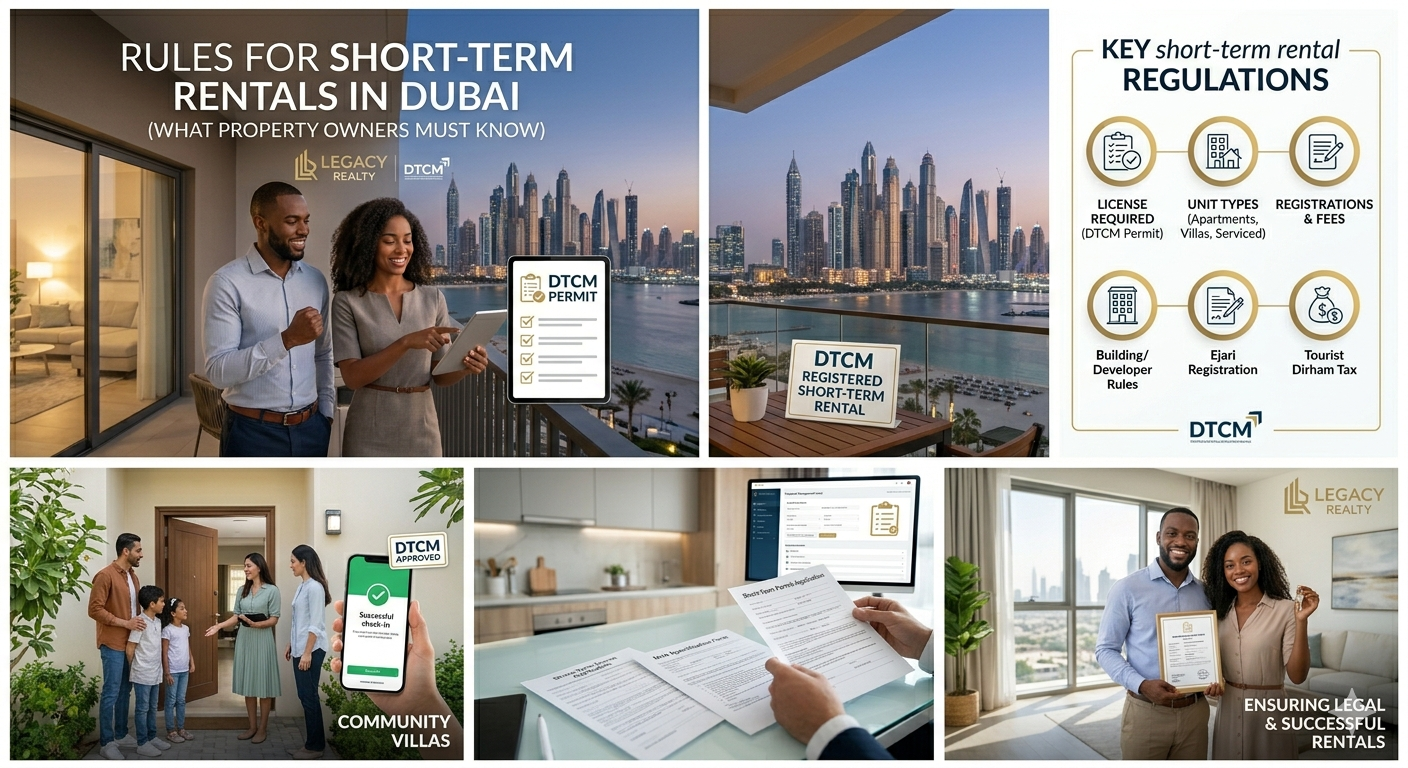
Rules for Short-Term Rentals in Dubai (What Property Owners Must Know)

Dubai’s short-term rental market continues to attract investors, landlords, and holiday home operators looking to capitalize on the city’s booming tourism industry. However, running a holiday home in Dubai is not as simple as listing a property on Airbnb or Booking.com.Property owners must comply with strict short term rental laws Dubai authorities enforce through the Department of Economy and Tourism (DET), formerly known as DTCM (Department of Tourism and Commerce Marketing).From licensing and permits to guest registration and tourism fees, Dubai has established a clear regulatory framework for holiday homes. Failing to comply can result in heavy fines, listing removals, and operational restrictions.This guide explains everything property owners need to know about Dubai short-term rental regulations, including licensing requirements, DET permits, compliance obligations, and legal considerations.  Understanding Short-Term Rental Laws in DubaiShort-term rentals in Dubai are legally classified as “Holiday Homes.” These properties can be rented out for short stays through platforms such as Airbnb, Booking.com, and Vrbo.Dubai’s holiday home sector is regulated by the Dubai Department of Economy and Tourism (DET). The authority oversees:Holiday home permitsProperty classificationsGuest registration requirementsTourism fee collectionSafety and quality standardsAdvertising and listing complianceUnder current short term rental laws Dubai property owners cannot legally rent out a residential unit for short stays without an approved holiday home permit.This applies to:ApartmentsVillasTownhousesFurnished residencesEntire homes listed on booking platformsWhether you own one apartment or manage multiple units, compliance is mandatory.  Who Can Operate a Short-Term Rental in Dubai?Property OwnersIndividual property owners can legally operate a short-term rental in Dubai if they obtain the appropriate holiday home permit from DET.Owners must provide:Passport or Emirates IDProof of ownershipTitle deedUtility detailsProperty informationTenantsTenants may also operate a holiday home rental under certain conditions.However, they must obtain:Written landlord approvalA No Objection Certificate (NOC)Permission aligned with tenancy termsWithout landlord consent, subletting a property for short stays may violate tenancy regulations.Holiday Home OperatorsProfessional holiday home companies can manage multiple properties under a licensed operator structure.These operators typically handle:Guest communicationCleaning and maintenancePricing optimizationCheck-in servicesRegulatory compliancePermit renewals  What Is the DTCM Holiday Home Permit?The DTCM Holiday Home Permit, now administered by DET, is the official license required to legally rent a property for short stays in Dubai.The permit confirms that the property complies with Dubai tourism regulations and operational standards.Without a valid permit, owners cannot legally advertise or host paying guests.Why the Permit MattersThe permit ensures:Guest safety standards are metTourism fees are collected properlyProperty information is verifiedHoliday homes operate legallyBooking platforms display compliant listingsMost booking platforms now require Dubai listings to display a valid permit number.  Step-by-Step Guide to Getting a Holiday Home Permit in DubaiStep 1: Register With the DET Holiday Homes PortalProperty owners must first register through the official DET holiday homes system.The application process includes identity verification and property registration.Step 2: Submit Required DocumentsCommonly required documents include:Emirates ID or passport copyTitle deedDEWA billProperty photosNOC (if applicable)Tenancy contract (for tenant operators)Step 3: Property Inspection and ClassificationDubai authorities may inspect the property to confirm it meets holiday home standards.Properties are often classified as:StandardDeluxeThe classification can influence pricing potential and guest expectations.Step 4: Pay Permit FeesPermit fees vary depending on the size and type of property.Annual licensing costs may include:Permit feesTourism feesAdministrative chargesService feesStep 5: Receive Permit ApprovalOnce approved, the property receives a holiday home permit number.Owners can then legally advertise the property on booking platforms.  Key Compliance Rules Property Owners Must FollowUnderstanding short term rental laws Dubai investors often overlook is essential for long-term profitability.Here are the most important compliance obligations.Register All GuestsDubai requires holiday home operators to maintain guest records and comply with tourism reporting obligations.Guest registration requirements typically include:Passport detailsCheck-in informationStay durationNationality recordsCollect Tourism Dirham FeesHoliday home operators must collect Tourism Dirham fees from guests.These fees are charged per room per night and submitted to authorities.Failure to collect or remit tourism fees can trigger penalties.Maintain Property StandardsAll holiday homes must meet minimum hospitality standards.Properties should include:Functional utilitiesClean furnishingsSafety equipmentFire safety complianceAdequate maintenancePoorly maintained properties may face complaints, inspections, or permit suspension.Display Accurate ListingsAdvertising regulations prohibit misleading property listings.Operators should ensure:Photos are accurateAmenities are correctly describedPermit numbers are displayedPricing is transparentRenew Licenses AnnuallyHoliday home permits require annual renewal.Owners who fail to renew on time may lose operating rights and face fines.  Dubai Short-Term Rental Fees and CostsRunning a legal holiday home in Dubai involves several operational costs.Typical Costs Include:Expense TypeEstimated CostHoliday home permitAnnual feeTourism DirhamCharged per guest stayCleaning servicesPer bookingProperty managementPercentage of revenueVAT obligationsDepending on structureMaintenance and utilitiesOngoing operational costProperty owners should budget carefully before entering the short-term rental market.  Penalties for Violating Short Term Rental Laws DubaiDubai actively enforces holiday home regulations.Operating without proper authorization can result in:Financial penaltiesListing removalsProperty blacklistingSuspension of permitsLegal enforcement actionFines for non-compliance may escalate for repeated violations.Common violations include:Operating without a permitFailing to register guestsMisleading advertisingIgnoring tourism fee obligationsViolating building regulations  Building Rules and Community RestrictionsEven if Dubai regulations allow holiday home operations, individual buildings or communities may impose additional restrictions.Some developments have:Owners association rulesSecurity protocolsGuest access limitationsCommunity restrictions on short staysBefore purchasing a property for Airbnb or holiday home use, investors should confirm whether the building permits short-term rentals.This is especially important in:Dubai MarinaDowntown DubaiPalm JumeirahJBRBusiness Bay  Tax Considerations for Dubai Holiday HomesDubai remains attractive for property investors because there is no personal income tax on rental income.However, operators may still need to consider:VAT obligationsTourism feesCorporate structuresBusiness licensing requirementsProfessional accounting advice is recommended for operators managing multiple units.  Short-Term Rental vs Long-Term Rental in DubaiMany investors compare short-term and long-term rental strategies before entering the market.Advantages of Short-Term RentalsHigher earning potentialFlexible pricingSeasonal demand opportunitiesPersonal use flexibilityHigher occupancy during tourism peaksChallenges of Short-Term RentalsHigher management workloadIncreased maintenance costsLicensing obligationsSeasonal vacancy risksCompliance requirementsLong-term rentals may provide more predictable income with lower operational complexity.  Best Areas for Short-Term Rentals in DubaiSome Dubai communities consistently perform well for holiday home investments.Dubai MarinaDubai Marina remains one of the most popular locations for tourists and business travelers.Downtown DubaiDowntown properties benefit from proximity to:Burj KhalifaDubai MallDIFCBusiness districtsPalm JumeirahLuxury travelers often prefer beachfront properties on Palm Jumeirah.Business BayBusiness Bay attracts corporate travelers and long-stay visitors.JBR (Jumeirah Beach Residence)JBR combines beachfront access with entertainment and hospitality demand.  Tips for Staying Compliant With Dubai Holiday Home Regulations1. Keep Documentation UpdatedEnsure permits, IDs, utility records, and ownership documents remain current.2. Use Professional Property ManagementExperienced holiday home operators understand DET compliance requirements and can reduce operational risks.3. Monitor Regulatory UpdatesDubai regulations evolve regularly.Owners should stay informed about:Permit changesFee adjustmentsTourism regulationsPlatform compliance rules4. Maintain Strong Guest CommunicationClear guest instructions and support reduce complaints and operational issues.5. Prioritize Safety StandardsInstall smoke detectors, fire extinguishers, and emergency information where required.  Frequently Asked Questions About Short Term Rental Laws DubaiIs Airbnb legal in Dubai?Yes. Airbnb is legal in Dubai if the property has a valid holiday home permit from DET.Do I need a license for short-term rentals in Dubai?Yes. Any property rented for short stays requires a holiday home permit.Can tenants operate Airbnb properties in Dubai?Yes, but only with landlord approval and the necessary documentation.What happens if I rent without a permit?Operators may face fines, delisting, and legal penalties.Are holiday home permits renewed annually?Yes. Dubai holiday home permits typically require annual renewal.  Final ThoughtsDubai offers one of the world’s most attractive markets for short-term rental investments, but compliance is essential.Understanding short term rental laws Dubai authorities enforce can help property owners avoid costly penalties while building a profitable holiday home business.From obtaining a DET permit to managing tourism fees and guest registration, successful operators treat compliance as a core part of their business strategy.Before launching a holiday home in Dubai, property owners should carefully evaluate:Licensing obligationsBuilding restrictionsOperational costsManagement requirementsLong-term investment goalsWith the right setup and full regulatory compliance, Dubai’s holiday home market can provide strong returns and long-term growth opportunities.
Read Full Article
Investment
May 12, 2026

Is Airbnb Profitable in Dubai? A Complete Investor Guide

Dubai has become one of the world’s hottest destinations for real estate investors. With year-round tourism, tax-free rental income, luxury developments, and a growing remote-work economy, many investors are now asking the same question: Is Airbnb investment Dubai actually profitable in 2026?The short answer is yes — but profitability depends heavily on property location, occupancy rate, property management strategy, and whether short-term rentals outperform traditional leasing in your target area.This guide breaks down:How Airbnb investment Dubai worksShort-term vs long-term rental ROIReal income examples from popular communitiesCosts, regulations, and risksBest areas for Airbnb in DubaiTips to maximize profitabilityIf you are considering buying property in Dubai for rental income, this investor-focused guide will help you make an informed decision.  Why Dubai Is a Strong Market for Airbnb InvestmentsDubai’s tourism sector continues to expand rapidly, creating consistent demand for short-term accommodations. Unlike many global cities with strict Airbnb restrictions, Dubai has established a legal framework that supports holiday home operators.Key Reasons Airbnb Investment Dubai Is GrowingHigh Tourist VolumeDubai attracts millions of visitors annually for:TourismBusiness travelInternational eventsLuxury shoppingMedical tourismDigital nomad staysThis steady flow of visitors creates strong demand for furnished short-term rentals.Tax-Free Rental IncomeOne of Dubai’s biggest advantages is the absence of personal income tax on rental earnings. Investors can retain a larger share of their profits compared to many Western markets.Strong Average Daily Rates (ADR)Luxury tourism allows Airbnb hosts in premium areas to charge significantly higher nightly rates than many global cities.Flexible Ownership Rules for Foreign InvestorsInternational investors can purchase freehold properties in designated areas, making Dubai highly accessible for overseas buyers.Growing Remote Work and Extended StaysMany travelers now book apartments for weeks or months instead of hotels, especially in business-friendly districts.  How Airbnb Investment Dubai WorksBefore comparing returns, it is important to understand how Dubai regulates short-term rentals.Holiday Home Licensing RequirementsTo legally operate an Airbnb property in Dubai, owners typically need:A holiday home permitRegistration with Dubai’s tourism authorityCompliance with safety and furnishing standardsMany investors hire professional Airbnb management companies to handle:Guest communicationCheck-insCleaningPricing optimizationMaintenanceLicensing supportThis makes Airbnb investment Dubai more passive for overseas investors.  Short-Term vs Long-Term Rental Income in DubaiThe biggest investor debate is whether short-term rentals outperform traditional annual leasing.The answer depends on occupancy rates, management quality, and location.Short-Term Rental Model (Airbnb)With Airbnb, guests pay per night.Advantages of Short-Term RentalsHigher earning potentialFlexible pricing during peak seasonsAbility to use the property personallyBetter cash flow in tourist-heavy areasIncreased profitability during events and holidaysDisadvantages of Short-Term RentalsHigher management costsVariable occupancyMore operational workSeasonal fluctuationsFurnishing and utility expenses  Long-Term Rental ModelLong-term rentals involve leasing the property annually to a tenant.Advantages of Long-Term RentalsStable monthly incomeLower operational workloadReduced vacancy riskFewer maintenance cyclesLower utility expensesDisadvantages of Long-Term RentalsLower annual income potentialLess pricing flexibilityLimited ability to increase rents quicklyTenant-related risks  Airbnb Investment Dubai: Real ROI ComparisonsBelow are realistic examples comparing short-term and long-term rental income in Dubai.Example 1: Dubai Marina Studio ApartmentProperty DetailsPurchase Price: AED 900,000Size: Studio ApartmentLocation: Dubai MarinaAirbnb Income ScenarioEstimated PerformanceAverage Nightly Rate: AED 420Occupancy Rate: 75%Monthly Revenue: Approximately AED 9,450Annual Revenue: Approximately AED 113,400Estimated Annual CostsService ChargesAirbnb Management FeesUtilities and InternetCleaning and MaintenanceLicensing FeesEstimated Net Annual ProfitApproximately AED 72,000–78,000Estimated ROIApproximately 8%–8.6%  Long-Term Rental ScenarioEstimated Annual RentAnnual Rental Income: AED 68,000–72,000Estimated Net Annual ProfitApproximately AED 55,000–60,000Estimated ROIApproximately 6%–6.5%Key InsightIn tourist-heavy areas like Dubai Marina, Airbnb investment Dubai often outperforms long-term rentals.  Example 2: Downtown Dubai One-Bedroom ApartmentAirbnb Rental ScenarioEstimated PerformanceAverage Nightly Rate: AED 750Occupancy Rate: 70%Annual Gross Revenue: Approximately AED 191,000Estimated Net ROIApproximately 7.5%–9%  Long-Term Rental ScenarioEstimated Annual RentApproximately AED 110,000–125,000Estimated Net ROIApproximately 5.5%–6.5%Key InsightLuxury areas with strong tourist demand usually favor short-term rental strategies.  Best Areas for Airbnb Investment DubaiNot every area performs equally well for short-term rentals.1. Dubai MarinaDubai Marina remains one of the strongest Airbnb markets because of:Waterfront lifestyleTourist attractionsBeach accessRestaurants and nightlifeStrong occupancy ratesIdeal Property TypesStudiosOne-bedroom apartmentsServiced apartments  2. Downtown DubaiDowntown attracts premium travelers due to its proximity to:Burj KhalifaDubai MallBusiness hubsLuxury tourismBest forLuxury Airbnb listingsHigh nightly ratesCorporate travelers  3. Palm JumeirahPalm Jumeirah performs exceptionally well for luxury short-term rentals.AdvantagesUltra-premium nightly ratesVacation demandBeachfront appealLuxury traveler marketConsiderationHigher purchase prices reduce entry affordability.  4. Business BayBusiness Bay benefits from both tourism and corporate travel.Why Investors Like ItCentral locationGrowing infrastructureLower prices than DowntownStrong rental demand  5. Jumeirah Village Circle (JVC)JVC has emerged as a high-yield area for investors seeking lower entry prices.Key BenefitsAffordable apartmentsHigh rental yieldsGrowing community demandPopular among long-stay guests  Factors That Affect Airbnb Profitability in DubaiSuccessful Airbnb investment Dubai strategies depend on several critical factors.Occupancy RateOccupancy directly impacts annual returns.Typical Occupancy BenchmarksPrime Areas: 70%–85%Mid-Tier Areas: 60%–75%Emerging Areas: 50%–65%High occupancy usually depends on:Competitive pricingStrong reviewsProfessional photographyGood guest communicationExcellent property condition  Property Management QualityProfessional management can significantly improve:OccupancyGuest ratingsRepeat bookingsRevenue optimizationMany investors lose profitability due to poor operations rather than weak market demand.  SeasonalityDubai experiences tourism peaks during:Winter monthsNew Year celebrationsMajor conferencesShopping festivalsInternational exhibitionsNightly rates often increase substantially during peak periods.  Furnishing StandardsModern interiors strongly influence Airbnb performance.High-Performing Listings Usually IncludeContemporary furnitureFast Wi-FiSmart TVsHotel-style linensFully equipped kitchensSelf-check-in systems  Costs Investors Must ConsiderMany beginners overestimate Airbnb profits because they ignore operating costs.Common Airbnb Expenses in DubaiInitial CostsDown paymentRegistration feesFurnishing costsLicensing feesOngoing CostsService chargesCleaning feesUtilitiesInternet and TVAirbnb commissionManagement feesMaintenanceInsuranceThese expenses can reduce gross income significantly.  Is Airbnb Better Than Hotels in Dubai?Many travelers now prefer Airbnb properties because they offer:More spaceKitchen facilitiesBetter privacyLower cost for familiesFlexible stay optionsThis shift continues to strengthen Airbnb investment Dubai opportunities.However, hotels still dominate the luxury hospitality market, meaning Airbnb investors must focus heavily on guest experience.  Risks of Airbnb Investment DubaiDespite strong earning potential, investors should also understand the risks.Regulatory ChangesGovernment regulations can evolve over time.Occupancy FluctuationsEconomic slowdowns or travel disruptions may reduce bookings.Oversupply in Certain AreasSome communities experience increased competition from new developments.Operational ComplexityManaging guests, cleaning, and maintenance requires active oversight.  Tips to Maximize Airbnb ROI in DubaiChoose Tourist-Friendly LocationsFocus on areas with:Metro accessTourist attractionsBeach proximityBusiness hubs  Invest in Interior DesignHigh-quality interiors can dramatically improve nightly rates.  Use Dynamic PricingProfessional pricing tools help maximize occupancy and revenue.  Optimize Your Airbnb ListingStrong listings typically include:Professional photographySEO-friendly titlesDetailed descriptionsPositive guest reviewsInstant booking options  Hire Professional ManagementThis is especially useful for overseas investors seeking passive income.  Who Should Invest in Airbnb Properties in Dubai?Airbnb investment Dubai is particularly attractive for:International investorsDigital nomadsReal estate portfolio buildersInvestors seeking tax-efficient incomeBuyers targeting high rental yieldsHowever, investors looking for completely passive income may prefer long-term rentals.  Short-Term vs Long-Term Rentals: Final ComparisonFactorShort-Term Rental (Airbnb)Long-Term RentalIncome PotentialHigherModerateOccupancy StabilityVariableStableManagement EffortHighLowFlexibilityHighLowFurnishing RequirementsHighModerateUtility CostsOwner PaysUsually Tenant PaysROI Potential7%–10%5%–7%  Is Airbnb Investment Dubai Worth It in 2026?For many investors, the answer is yes.Dubai remains one of the most attractive global markets for short-term rental investments due to:Strong tourism demandTax-free rental incomeHigh occupancy potentialPremium nightly ratesInvestor-friendly regulationsIn prime locations, Airbnb properties can outperform traditional rentals in terms of cash flow and ROI.However, profitability depends heavily on:Property selectionProfessional managementOccupancy optimizationCost controlInvestors who treat Airbnb as a professional hospitality business rather than a passive side income usually achieve the strongest returns.  Frequently Asked QuestionsIs Airbnb legal in Dubai?Yes. Short-term rentals are legal in Dubai when property owners obtain the required holiday home permits and comply with local regulations.  What is the average Airbnb ROI in Dubai?Average Airbnb ROI in Dubai typically ranges between 7% and 10% in strong-performing areas.  Which area is best for Airbnb investment Dubai?Popular areas include:Dubai MarinaDowntown DubaiPalm JumeirahBusiness BayJVC  Is Airbnb more profitable than long-term renting in Dubai?In many prime tourist areas, Airbnb generates higher returns than annual leasing, although operating costs are also higher.  Can foreigners buy Airbnb properties in Dubai?Yes. Foreign investors can purchase freehold properties in designated areas across Dubai.  ConclusionAirbnb investment Dubai continues to attract global investors seeking high rental yields and tax-efficient income.While short-term rentals require more management and operational oversight, they often deliver stronger ROI than traditional long-term leasing in premium locations.For investors willing to focus on guest experience, strategic location selection, and professional management, Dubai remains one of the most profitable Airbnb markets in the world.If you are evaluating Dubai real estate opportunities in 2026, comparing Airbnb vs long-term rental strategies should be a key part of your investment analysis.
Read Full Article

Investment
May 11, 2026

Risks of Buying Off-Plan Property in Dubai (And How to Avoid Them)

Dubai’s real estate market continues to attract global investors due to its tax advantages, modern infrastructure, and strong rental demand. Among the most attractive opportunities are off-plan properties, which often come with lower launch prices, flexible payment plans, and high appreciation potential.However, investors should understand that buying an off-plan property is not without challenges. While the rewards can be significant, there are also important risks that can impact your finances, timeline, and overall investment experience.In this guide, we’ll explore the most common off plan property Dubai risks, how to identify warning signs, and the practical steps investors can take to minimize exposure.  What Is an Off-Plan Property?An off-plan property is a real estate unit purchased directly from a developer before construction is completed. In some cases, the project may still be in the planning phase when investors make their purchase.Buyers typically rely on:Project brochuresFloor plans3D renderingsSample apartmentsDeveloper promisesWhile this model can offer lower entry prices and attractive payment structures, it also introduces uncertainty because the finished property does not yet exist.  Why Investors Choose Off-Plan Properties in DubaiBefore discussing the risks, it’s important to understand why off-plan investments remain popular in Dubai.Lower Purchase PricesDevelopers often launch projects at prices below completed market value to attract early buyers.Flexible Payment PlansMany projects offer post-handover payment options and installment schedules spread over several years.Potential Capital AppreciationIf the market performs well during construction, investors may benefit from significant property appreciation before completion.Access to New CommunitiesOff-plan developments are commonly located in emerging neighborhoods with modern amenities and future growth potential.Although these benefits are attractive, buyers must balance them against the possible downsides.  Major Off Plan Property Dubai RisksUnderstanding the risks is the first step toward making a smarter investment decision.  1. Project DelaysWhy Delays HappenConstruction delays are among the most common off plan property Dubai risks. Projects may be delayed due to:Labor shortagesRising material costsRegulatory approvalsEconomic slowdownsCash flow issuesContractor disputesEven reputable developers can face timeline disruptions.How Delays Affect BuyersProject delays can create serious financial and personal challenges, including:Delayed rental incomeExtended temporary housing costsMortgage planning complicationsReduced investment liquidityMissed market opportunitiesSome projects may be delayed for months or even years.How to Avoid Delay RisksTo reduce exposure to delays:Research the Developer’s Track RecordReview previous projects and evaluate whether the developer completed them on time.Check Construction ProgressRequest regular construction updates and verify milestones independently.Review Delivery Clauses CarefullyEnsure the Sale and Purchase Agreement (SPA) clearly defines:Expected completion datesGrace periodsCompensation policiesBuyer cancellation rightsChoose Established DevelopersLarge developers with proven financial stability generally carry lower completion risk.  2. Developer Reliability IssuesThe Importance of Developer ReputationNot all developers operate with the same level of transparency or financial strength. Choosing the wrong developer is one of the most serious off plan property Dubai risks investors face.Common Warning SignsBe cautious if a developer:Has limited project historyFrequently changes delivery timelinesReceives poor investor feedbackLacks transparencyOffers unrealistic guaranteesUses aggressive sales tacticsRisks of Working With Unreliable DevelopersPotential consequences include:Construction delaysPoor build qualityContract disputesFinancial lossesProject cancellationHow to Verify Developer ReliabilityCheck RERA RegistrationEnsure the developer and project are registered with Dubai’s Real Estate Regulatory Agency (RERA).Review Past ProjectsVisit completed developments if possible.Evaluate:Construction qualityMaintenance standardsCommunity managementTimely handover historyRead Investor ReviewsOnline reviews and investor forums can reveal recurring complaints or legal issues.Analyze Financial StrengthEstablished developers with strong funding are generally more capable of completing projects during market fluctuations.  3. Hidden Contract ClausesWhy Contracts MatterMany investors focus heavily on price and payment plans but overlook the legal details inside the Sale and Purchase Agreement.This can become one of the most expensive off plan property Dubai risks later.Common Problematic ClausesBroad Delay Grace PeriodsSome contracts allow developers extended delays without penalties.Limited Refund RightsCertain agreements make refunds difficult if buyers decide to exit.Unclear SpecificationsThe delivered property may differ from marketing materials if specifications are vague.Developer Modification RightsSome contracts permit changes to layouts, amenities, or finishes.High Penalties for Buyer DefaultsMissing payments may trigger significant penalties or cancellation.How to Protect YourselfHire a Real Estate LawyerA qualified property lawyer can identify unfair clauses and explain legal obligations.Read Every Section CarefullyNever rely solely on verbal promises from sales representatives.Clarify Exit TermsUnderstand:Refund eligibilityCancellation proceduresTransfer restrictionsResale conditionsConfirm Project SpecificationsRequest detailed written documentation covering:Unit sizeFinishesAmenitiesParking allocationCompletion standards  4. Market Fluctuation RiskProperty Values Can ChangeDubai’s property market is dynamic. Prices can rise significantly, but they can also decline during market corrections.If the market weakens before handover, buyers may face:Reduced resale valueLower rental yieldsDifficulty exiting the investmentNegative equity concernsHow to Reduce Market RiskFocus on Prime LocationsProperties in high-demand areas often perform better during market downturns.Analyze Supply and DemandAvoid oversupplied areas with excessive new inventory.Invest for the Long TermShort-term speculation carries greater risk in volatile markets.Study Market CyclesUnderstanding Dubai’s real estate trends can help investors make more informed entry decisions.  5. Construction Quality ConcernsExpectations vs RealityOne challenge with off-plan investments is that buyers often rely on marketing materials rather than a finished product.In some cases, delivered units may not meet buyer expectations.Common Quality ProblemsIssues may include:Inferior materialsPoor finishingIncomplete amenitiesStructural defectsLayout inconsistenciesHow to Minimize Quality RisksInspect Previous ProjectsCompleted projects reveal the developer’s actual quality standards.Request Material SpecificationsObtain detailed documentation on:FlooringKitchen fittingsAppliancesBathroom fixturesSmart home featuresConduct a Snagging InspectionBefore accepting handover, hire a professional inspection company to identify defects.  6. Financing and Mortgage RisksMortgage Approval ChallengesFinancing off-plan properties can be more complex than buying completed units.Banks may:Require higher down paymentsRestrict financing percentagesDelay approvalsChange lending criteriaInterest Rate UncertaintyIf interest rates rise before completion, mortgage repayments may become more expensive.How to Protect YourselfSecure Pre-Approval EarlyUnderstand your financing limits before committing.Prepare Emergency FundsUnexpected costs may arise during the project timeline.Monitor Payment SchedulesEnsure installment obligations align with your cash flow.  7. Project Cancellation RiskCan Off-Plan Projects Be Cancelled?Although regulations in Dubai have improved significantly, project cancellations can still happen under certain conditions.Reasons may include:Financial instabilityInsufficient fundingRegulatory issuesMarket downturnsImpact on InvestorsCancellation may result in:Long refund delaysLegal disputesOpportunity costsCapital being tied up for extended periodsHow to Reduce Cancellation RiskVerify Escrow AccountsEnsure buyer payments are deposited into regulated escrow accounts.Choose Well-Funded DevelopersFinancially stable developers are less likely to abandon projects.Avoid Unrealistically Cheap DealsPrices significantly below market averages may indicate underlying project risks.  Due Diligence Checklist for Off-Plan BuyersConducting proper due diligence is the best defense against off plan property Dubai risks.Essential Due Diligence StepsVerify Developer CredentialsCheck:RERA registrationPrevious projectsFinancial historyCustomer reviewsReview Legal DocumentsCarefully examine:Sale and Purchase AgreementPayment schedulesHandover clausesRefund policiesEvaluate Location PotentialStudy:Infrastructure developmentRental demandTransportation accessNearby amenitiesUnderstand All CostsInclude:Dubai Land Department feesService chargesRegistration feesMaintenance costsMortgage expensesWork With ProfessionalsConsider hiring:Real estate lawyersProperty consultantsMortgage advisorsInspection specialists  How Dubai Regulations Protect Off-Plan BuyersDubai has introduced several regulations designed to improve investor protection.RERA OversightThe Real Estate Regulatory Agency monitors developers and project compliance.Escrow Account RequirementsDevelopers must place buyer funds into regulated escrow accounts linked to construction progress.Project Registration RulesProjects must meet legal requirements before developers can begin selling units.Construction MonitoringAuthorities monitor project progress and developer obligations.Although regulations improve transparency, investors should still conduct independent research.  Is Buying Off-Plan Property in Dubai Worth the Risk?Off-plan properties can offer strong investment opportunities when approached strategically.The key is understanding that every investment carries risk.For disciplined investors who perform proper due diligence, off-plan projects may provide:Competitive pricingLong-term appreciation potentialAttractive rental returnsFlexible payment structuresHowever, buyers who rush decisions or ignore warning signs may face avoidable financial setbacks.  Final Thoughts on Off Plan Property Dubai RisksUnderstanding off plan property Dubai risks is essential before committing to any real estate investment.While Dubai’s off-plan market offers exciting opportunities, buyers should carefully evaluate:Developer reputationProject timelinesContract termsMarket conditionsConstruction qualityFinancial commitmentsThe safest approach is to combine market research, legal review, and professional guidance before signing any agreement.A well-researched off-plan investment can become a profitable long-term asset, but only when investors prioritize due diligence and risk management.  Frequently Asked Questions (FAQs)Are off-plan properties in Dubai safe to buy?Off-plan properties can be safe if investors choose reputable developers, verify RERA registration, and carefully review all legal documents.What is the biggest risk of buying off-plan property in Dubai?Project delays are considered one of the most common risks, though developer reliability and contract terms are also major concerns.Can I sell an off-plan property before handover?In many cases, yes. However, resale rules vary by developer and project, so buyers should review transfer conditions carefully.How do I verify a Dubai developer?Investors should review RERA registration, completed projects, customer feedback, and financial stability before purchasing.What happens if an off-plan project gets cancelled?Depending on the situation, buyers may receive refunds through escrow protections, though the process can take time.
Read Full Article
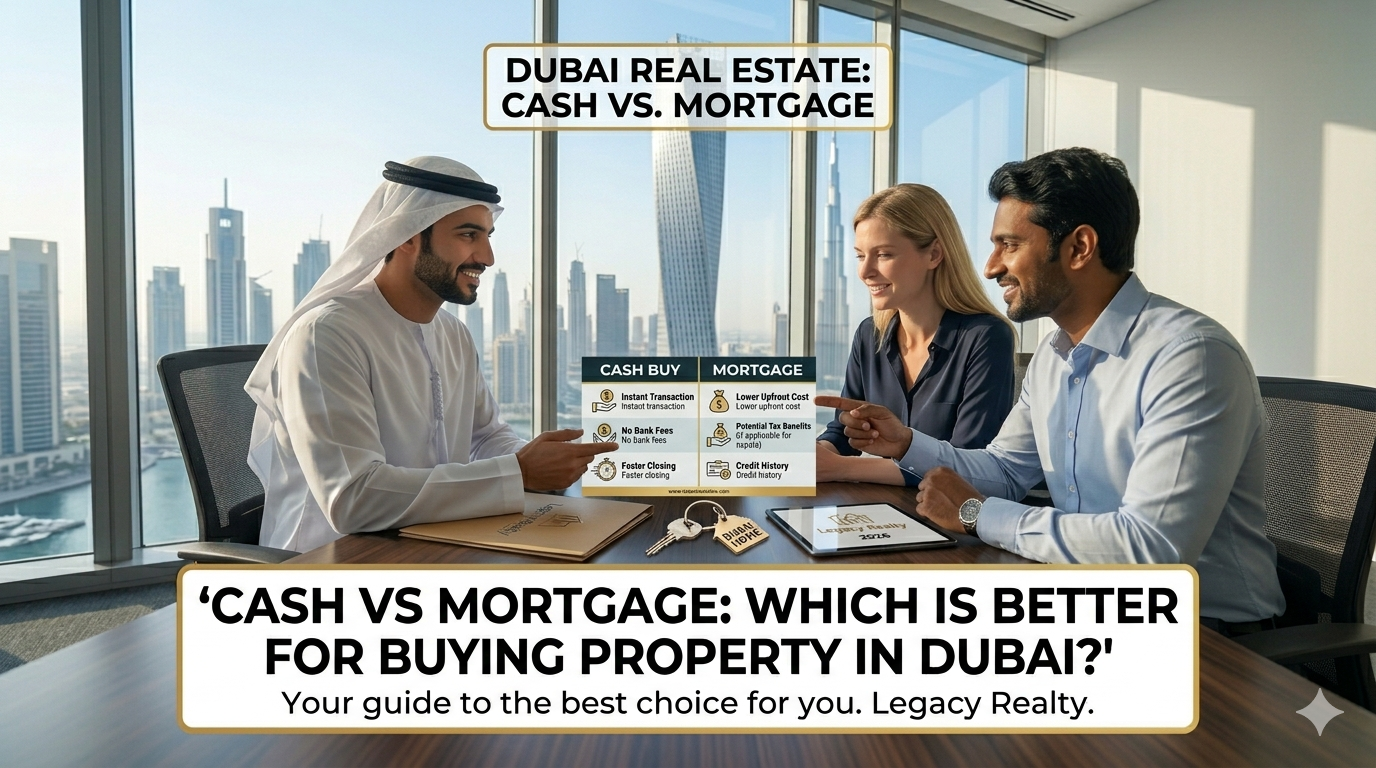
Investment
May 06, 2026

Why Off-Plan Properties in Dubai Are Booming Right Now

IntroductionDubai’s real estate market is once again capturing global attention, and one segment stands out above the rest—off-plan properties. Investors, first-time buyers, and international buyers are increasingly turning toward this option for its affordability, flexibility, and high return potential.In this article, we’ll break down the off plan property Dubai benefits, explore current market trends, and explain why demand is surging right now.  What Is an Off-Plan Property?An off-plan property is a real estate unit that is purchased directly from a developer before construction is completed—or sometimes even before it begins.Key Characteristics:Bought at pre-construction pricesPaid in installments over timeDelivered upon project completionThis model has become extremely popular in Dubai due to its investor-friendly structure.  Why Off-Plan Properties in Dubai Are Booming1. Attractive Pricing and Lower Entry CostsOne of the biggest off plan property Dubai benefits is the lower price compared to ready properties.Developers offer below-market rates at launchBuyers can secure prime locations at reduced pricesCapital appreciation begins even before completionThis makes off-plan investments especially appealing for those entering the market with limited capital.  2. Flexible Payment PlansDubai developers are known for offering highly flexible payment structures, which is a major driver behind the boom.Common Payment Options:60/40 or 70/30 plans (during and after construction)Post-handover payment optionsLow initial down payments (as low as 10%)These plans reduce financial pressure and make property ownership more accessible.  3. High Return on Investment (ROI)Investors are drawn to off-plan properties because of their strong ROI potential.Prices often rise significantly by completionRental yields in Dubai remain competitive globallyEarly investors benefit the most from appreciationThis makes off-plan properties ideal for both short-term flipping and long-term holding strategies.  4. Growing Demand from International InvestorsDubai continues to attract global investors due to:Tax-free property ownershipStrong economic stabilityInvestor-friendly regulationsOff-plan projects, in particular, appeal to overseas buyers because of their affordability and structured payment plans.  5. Rapid Urban Development and Infrastructure GrowthDubai is constantly expanding with new communities, transport systems, and lifestyle hubs.Key Growth Drivers:Mega infrastructure projectsExpansion of residential communitiesIntegration of smart city technologiesBuying off-plan allows investors to enter these emerging areas early—often before prices peak.  6. Modern Designs and Smart Living FeaturesNew off-plan developments in Dubai come with cutting-edge features:Smart home technologySustainable building practicesLuxury amenities (pools, gyms, co-working spaces)This aligns with the preferences of modern buyers and tenants, increasing demand and rental potential.  Market Trends Fueling the GrowthRising Property PricesAs demand increases, property prices in Dubai are trending upward—making early investment in off-plan projects even more attractive.  Limited Supply of Ready PropertiesA shortage of ready-to-move-in units has pushed buyers toward off-plan options, where availability is higher.  Developer CompetitionDevelopers are competing aggressively by offering:Better pricingEnhanced amenitiesMore flexible payment plansThis competition directly benefits buyers.  Potential Risks to ConsiderWhile the off plan property Dubai benefits are significant, investors should also be aware of potential risks:Construction DelaysProjects may take longer than expected to complete.Market FluctuationsProperty values can change due to economic conditions.Developer ReliabilityChoosing a reputable developer is crucial.  Tips for Investing in Off-Plan PropertiesDo Your ResearchEvaluate the developer’s track record and past projects.Choose Strategic LocationsLook for areas with upcoming infrastructure and growth potential.Understand the Payment PlanEnsure it aligns with your financial capacity.Work with Real Estate ExpertsProfessional guidance can help you avoid costly mistakes.  ConclusionThe surge in off-plan property investments is no coincidence. With lower entry costs, flexible payment options, and strong ROI potential, it’s clear why buyers are increasingly drawn to this segment.Understanding the off plan property Dubai benefits can help you make smarter investment decisions and capitalize on one of the fastest-growing real estate markets in the world.
Read Full Article
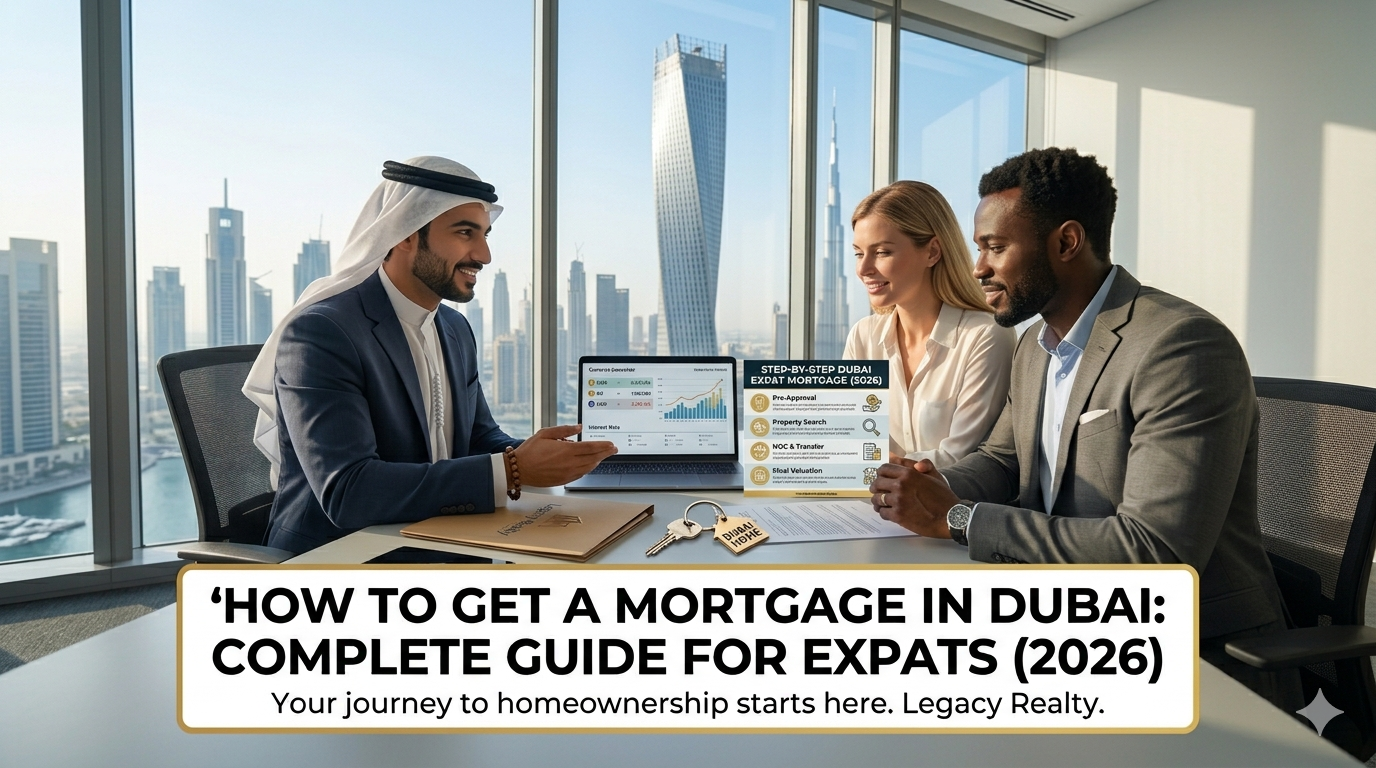
Market News
May 04, 2026

Top Off-Plan Projects in Dubai to Watch in 2026

Dubai’s real estate market continues to evolve at a rapid pace, and Dubai off plan projects 2026 are attracting both investors and end-users looking for high ROI, flexible payment plans, and modern living standards. With strong government initiatives, rising population, and world-class infrastructure, off-plan investments remain one of the most strategic entry points into the market.In this guide, we’ll break down the top off-plan projects in Dubai to watch in 2026, focusing on developer reputation, payment flexibility, and expected returns.  Why Invest in Dubai Off-Plan Projects in 2026?Before diving into specific developments, it’s important to understand why off-plan properties are gaining momentum:High ROI PotentialDubai offers rental yields between 6%–10%, significantly higher than many global cities.Flexible Payment PlansDevelopers now offer post-handover payment plans, making property ownership more accessible.Lower Entry PricesBuying off-plan often means securing property below market value before completion.Government SupportInvestor-friendly policies such as long-term visas and tax-free income boost confidence.  Key Factors to Consider Before InvestingDeveloper ReputationAlways choose trusted developers like Emaar Properties, DAMAC Properties, and Nakheel.Location & ConnectivityAreas near metro lines, business hubs, and waterfronts tend to perform better.Payment Plan StructureLook for 60/40 or 70/30 plans with post-handover options.Expected ROIAnalyze rental demand and resale value trends in the area.  Top Dubai Off-Plan Projects 20261. Emaar Beachfront ResidencesLocated in the heart of Dubai Harbour, this project offers luxury beachfront living.Key HighlightsPrivate beach accessPremium apartments with sea viewsDeveloped by Emaar PropertiesPayment Plan70/30 with post-handover optionsExpected ROI7%–9% due to high tourist demand  2. DAMAC LagoonsInspired by Mediterranean destinations, this master community offers a resort-style lifestyle.Key HighlightsLagoon-facing villas and townhousesThemed clusters (Venice, Santorini, etc.)Developed by DAMAC PropertiesPayment PlanFlexible installment plans up to 5 yearsExpected ROI6%–8% with strong family rental demand  3. Dubai Creek Harbour DevelopmentsA futuristic waterfront community near Dubai Creek.Key HighlightsClose to Downtown DubaiHome to upcoming iconic towersDeveloped by Emaar PropertiesPayment Plan80/20 plans availableExpected ROI8%+ due to strategic location  4. Palm Jebel Ali (New Launches)A revival of one of Dubai’s most ambitious projects by Nakheel.Key HighlightsUltra-luxury beachfront villasMassive infrastructure expansionLong-term capital appreciation potentialPayment PlanAttractive long-term payment structuresExpected ROIHigh appreciation expected over 5–10 years  5. Sobha Hartland IIA premium residential community offering luxury apartments and villas.Key HighlightsWaterfront livingHigh-end finishesDeveloped by Sobha RealtyPayment Plan60/40 structureExpected ROI7%–8% with strong resale value  Emerging Areas to Watch in 2026Dubai SouthClose to Al Maktoum International Airport, expected to become a major business hub.Jumeirah Village Circle (JVC)Affordable entry point with strong rental yields.Mohammed Bin Rashid City (MBR City)Luxury living with proximity to Downtown Dubai.  Investment Tips for Maximum ROIDiversify Your PortfolioDon’t invest all your capital in one project or area.Buy EarlyEarly-phase investments usually offer the best pricing.Work with Trusted AgentsEnsure transparency and proper documentation.Monitor Market TrendsStay updated with property price movements and rental demand.  Final ThoughtsThe Dubai off plan projects 2026 market presents a compelling opportunity for investors seeking high returns and long-term growth. With world-class developments, flexible payment plans, and strong developer backing, Dubai continues to stand out as a global real estate hotspot.Whether you're targeting beachfront luxury, family communities, or high-yield apartments, choosing the right project with a reputable developer can significantly impact your investment success.
Read Full Article
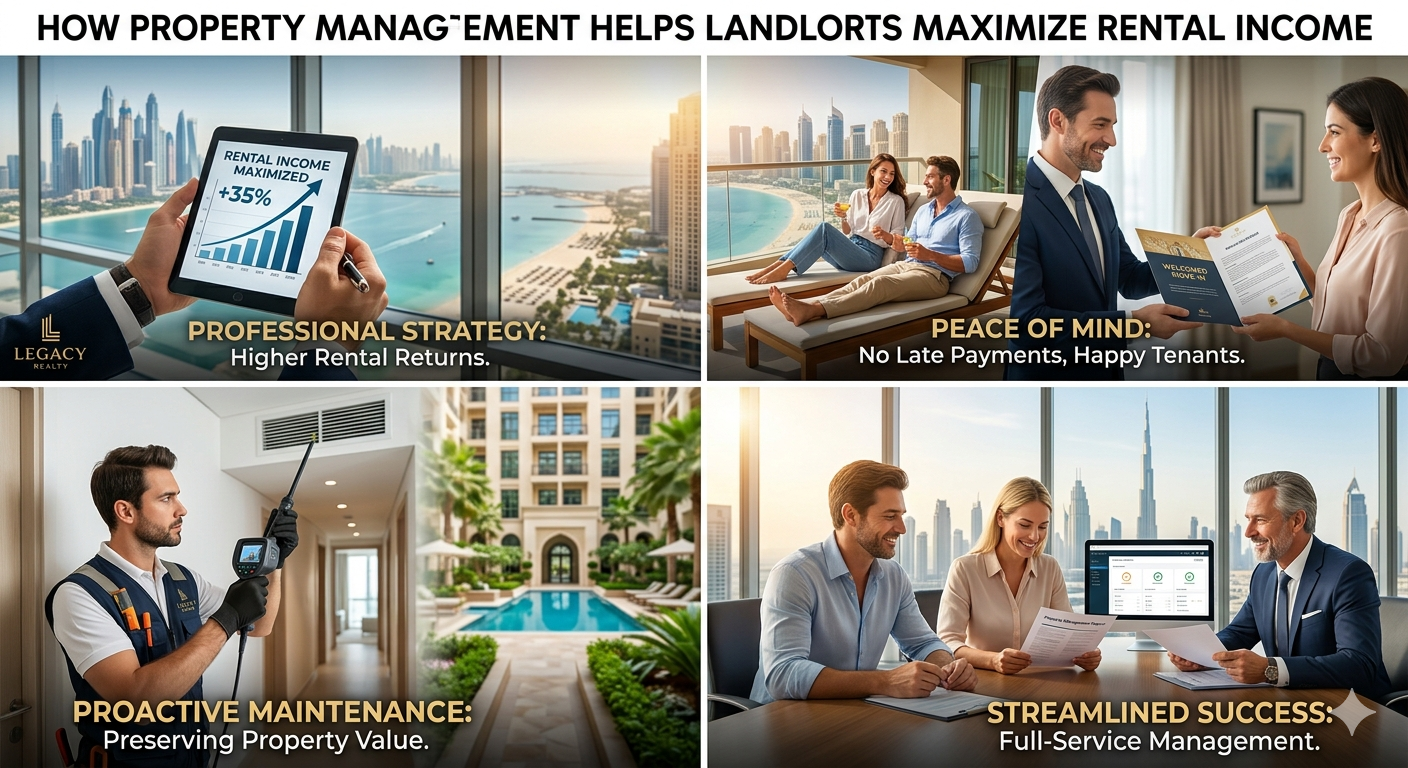
Process
May 02, 2026

Living in Dubai: Cost of Living Breakdown for Property Buyers (2026 Guide) Introduction

Understanding the cost of living in Dubai is essential for anyone planning to invest in property or relocate. Dubai offers a luxurious lifestyle, tax-free income, and world-class infrastructure—but these benefits come with varying expenses depending on your lifestyle and location choices.This guide provides a detailed breakdown of the cost of living in Dubai, focusing on key expense categories like rent, utilities, transportation, and lifestyle costs—specifically tailored for property buyers.  Why Understanding the Cost of Living in Dubai Matters for Property BuyersBefore purchasing property, it’s important to evaluate ongoing living expenses. Beyond the purchase price, costs such as maintenance, service charges, and daily living expenses significantly impact your financial planning.Key Considerations:Long-term affordabilityRental yield vs. personal useLifestyle expectationsLocation-based cost variations  Rent and Property Costs in DubaiAverage Property PricesDubai’s real estate market varies widely based on location, property type, and amenities.Popular Areas and Price Ranges:Downtown Dubai: Premium pricing with luxury apartmentsDubai Marina: High demand for waterfront livingJumeirah Village Circle (JVC): Affordable mid-range optionsDubai Silicon Oasis: Budget-friendly for familiesRental Costs (Annual Estimates)Studio Apartment: AED 25,000 – AED 60,0001-Bedroom Apartment: AED 40,000 – AED 90,0003-Bedroom Villa: AED 120,000 – AED 300,000+Additional Property CostsService Charges: AED 10–30 per sq. ft.Maintenance FeesHome InsuranceProperty Registration Fees (~4%)  Utility Costs in DubaiMonthly Utility ExpensesUtilities in Dubai are managed primarily by DEWA (Dubai Electricity and Water Authority).Typical Monthly Costs:Electricity & Water: AED 300 – AED 800 (apartment)Cooling (AC via district cooling): AED 200 – AED 600Internet & TV Packages: AED 300 – AED 700Factors Affecting Utility BillsProperty sizeAir conditioning usageBuilding efficiencySeasonal variations (higher in summer)  Transportation Costs in DubaiPublic TransportDubai offers a reliable and affordable public transport system.Monthly Costs:Metro/Bus Pass: AED 200 – AED 350Taxi Starting Fare: AED 12+Private TransportationOwning a car is common in Dubai.Estimated Monthly Costs:Fuel: AED 300 – AED 600Car Insurance: AED 1,500 – AED 4,000 annuallyParking Fees: Varies by area  Food and Grocery ExpensesGrocery CostsSingle Person: AED 800 – AED 1,500/monthFamily of Four: AED 3,000 – AED 6,000/monthDining OutCasual Meal: AED 30 – AED 70Mid-range Restaurant (2 people): AED 150 – AED 300Fine Dining: AED 500+  Lifestyle and Entertainment CostsFitness and WellnessGym Membership: AED 150 – AED 500/monthPersonal Training: AED 150 – AED 400/sessionLeisure ActivitiesCinema Ticket: AED 35 – AED 60Beach Clubs & Brunches: AED 150 – AED 500Shopping: Highly variable depending on lifestyle  Education and Healthcare CostsEducation (for Families)International School Fees: AED 20,000 – AED 100,000/yearHealthcareHealth Insurance: AED 600 – AED 5,000/yearDoctor Consultation: AED 150 – AED 500  Cost of Living in Dubai: Monthly SummaryEstimated Monthly ExpensesCategorySingle PersonFamily of FourRent3,000–8,0008,000–20,000Utilities500–1,2001,000–2,500Food800–1,5003,000–6,000Transport300–1,0001,000–2,500Lifestyle500–2,0002,000–5,000Total5,100–13,70015,000–36,000  Tips to Manage the Cost of Living in DubaiSmart Strategies for Property BuyersChoose emerging communities for better valueOpt for energy-efficient buildingsCompare service charges before buyingConsider proximity to work to reduce transport costsBudget for hidden costs like maintenance and cooling  Is Dubai Expensive for Property Buyers?Dubai can be as affordable or luxurious as you choose. While the cost of living in Dubai is higher than many global cities, the absence of income tax and high rental yields make it attractive for investors.  ConclusionThe cost of living in Dubai varies significantly depending on your lifestyle, location, and property choices. For property buyers, understanding these expenses is crucial for making informed investment decisions.Whether you're planning to live in your property or rent it out, a clear breakdown of costs ensures long-term financial stability and maximized returns.  FAQsWhat is the average cost of living in Dubai per month?It ranges from AED 5,000 to AED 15,000 for individuals, depending on lifestyle.Is Dubai cheaper than London or New York?Dubai is generally cheaper in terms of taxes and some living expenses, but rent in prime areas can be comparable.Can foreigners buy property in Dubai?Yes, foreigners can buy property in designated freehold areas.
Read Full Article
Investment
April 29, 2026

Affordable Areas to Buy Property in Dubai for First-Time Buyers (2026 Guide)

If you are exploring affordable property Dubai, the city offers several budget-friendly communities that combine reasonable entry prices, strong rental demand, and long-term growth potential. For first-time buyers, the key is choosing areas with low per-square-foot rates, good infrastructure, and developer payment plans.Below are the most affordable areas in Dubai where you can buy property without overspending.  International City – Cheapest Entry Point in DubaiDubai International City remains one of the most cost-effective areas for first-time buyers.Average Prices:Studio: AED 250,000 – 350,0001 Bedroom: AED 350,000 – 500,000Why it’s affordable:Lowest property prices in DubaiHigh rental demand from working professionalsClose to Dragon Mart and key highwaysBest for: Ultra-budget investors and rental income seekers  Dubai Silicon Oasis – Affordable & Modern LivingA popular free-zone residential community designed for tech professionals and families.Average Prices:Studio: AED 350,000 – 500,0001 Bedroom: AED 500,000 – 750,000Why it stands out:Modern infrastructure and smart city planningStrong rental demand from IT professionalsFamily-friendly environment with schools and parksBest for: Long-term residents and stable rental income  Jumeirah Village Circle (JVC) – Best Value for MoneyJVC is one of the most searched areas for affordable property Dubai due to its balance of price and lifestyle.Average Prices:Studio: AED 400,000 – 600,0001 Bedroom: AED 600,000 – 900,000Why buyers choose it:High rental yields (6%–8%)Continuous new residential developmentsCentral location with easy city accessBest for: Investors seeking ROI and lifestyle balance  Dubai South – Future Growth Investment ZoneLocated near the expanding aviation and logistics hub, Dubai South is a long-term investment hotspot.Average Prices:Studio: AED 300,000 – 500,0001 Bedroom: AED 500,000 – 800,000Why it’s attractive:Close to Al Maktoum International AirportPlanned mega infrastructure projectsStrong future capital appreciation potentialBest for: Long-term investors focused on growth  Al Furjan – Affordable Family-Friendly CommunityAl Furjan is a growing residential area offering a mix of apartments and villas.Average Prices:Studio: AED 450,000 – 650,0001 Bedroom: AED 650,000 – 950,000Why it’s popular:Developed by reputable buildersMetro connectivity improving accessibilityQuiet, family-oriented lifestyleBest for: Families and mid-budget buyers  Dubai Land Residence Complex (DLRC) – Hidden Budget GemDLRC is gaining popularity among first-time investors looking for cheap apartments in Dubai.Average Prices:Studio: AED 350,000 – 550,0001 Bedroom: AED 550,000 – 800,000Why consider it:Lower entry prices compared to central DubaiUpcoming infrastructure developmentIncreasing rental demandBest for: Entry-level investors seeking affordability  Final Thoughts on Affordable Property DubaiFor first-time buyers searching for affordable property Dubai, choosing the right community depends on your budget and investment goals.Lowest prices: International City, Dubai SouthBest rental yield: JVCFamily living: Dubai Silicon Oasis, Al FurjanFuture growth: Dubai South, DLRCIf your goal is affordability with long-term value, these communities offer the best starting point in Dubai’s real estate market.
Read Full Article

Lifestyle
April 27, 2026

Best Family Friendly Communities to Live in Dubai

If you’re searching for the best family friendly communities Dubai, you’re likely prioritizing safety, quality education, green spaces, and a strong sense of community. Dubai offers a wide range of residential areas designed with families in mind—each with its own lifestyle, amenities, and price point.This guide breaks down the top family-oriented neighborhoods, focusing on what truly matters: schools, parks, safety, and affordability.  Why Choose Family-Friendly Communities in Dubai?Dubai is known for its modern infrastructure and high standard of living, but not all neighborhoods are equally suited for families. The best family-friendly communities offer:Proximity to top-rated schoolsSafe, gated environmentsParks, playgrounds, and outdoor spacesHealthcare and retail accessAffordable housing options  Top Family Friendly Communities in Dubai1. Arabian Ranches – Peaceful Suburban LivingLocated in Dubai, Arabian Ranches is one of the most established family communities.Key Highlights:Gated community with 24/7 securityAccess to reputable schools like JESSCommunity parks, pools, and golf courseSpacious villas ideal for larger familiesWhy Families Love It:Arabian Ranches offers a calm, suburban feel away from the city’s hustle, making it ideal for raising children.  2. Dubai Hills Estate – Modern & Well-PlannedDubai Hills Estate is a newer master-planned development that’s rapidly becoming a top choice.Key Highlights:Close to Dubai Hills MallTop schools and healthcare facilities nearbyLarge central park and cycling tracksMix of apartments and villasAffordability:More flexible pricing compared to premium villa communities.  3. Jumeirah Village Circle (JVC) – Budget-Friendly OptionFor families seeking affordability without compromising lifestyle, JVC stands out.Key Highlights:Lower rental and purchase costsFamily parks and playgroundsGrowing number of schools and nurseriesCentral location with easy access to major highwaysBest For:Young families and first-time homebuyers.  4. Mirdif – Established and AffordableMirdif is one of Dubai’s older residential areas but remains highly popular among families.Key Highlights:Spacious villas at reasonable pricesClose to Mushrif ParkQuiet, low-density environmentNearby schools and mallsSafety:Known for being one of the safest and most community-oriented areas.  5. The Springs – Gated Community LivingDeveloped by Emaar, The Springs is a gated villa community perfect for families.Key Highlights:Lakes, parks, and walking trailsShared pools and playgroundsStrong community vibeClose to schools and shopping centersWhy It Works:A balance of affordability and premium lifestyle.  6. DAMAC Hills – Active Lifestyle CommunityDAMAC Hills is ideal for families who enjoy outdoor activities.Key Highlights:Trump International Golf ClubSkate parks, football fields, and petting zooInternational schools within the communityMix of villas, townhouses, and apartments  7. Al Barsha – Central and ConvenientAl Barsha is perfect for families who want to stay close to the city center.Key Highlights:Near Mall of the EmiratesWide range of schoolsAffordable apartments and villasEasy access to public transport  Key Factors to Consider When Choosing a Family Community1. Schools and EducationLook for communities near top-rated institutions to reduce commute time and ensure quality education.2. Safety and SecurityGated communities with surveillance and low crime rates are ideal for families.3. Parks and Outdoor SpacesGreen spaces are essential for children’s physical and mental well-being.4. AffordabilityBalance lifestyle needs with budget—Dubai offers options from luxury villas to budget apartments.  Final ThoughtsFinding the best family friendly communities Dubai depends on your lifestyle, budget, and priorities. Whether you prefer the tranquility of Arabian Ranches, the affordability of JVC, or the modern appeal of Dubai Hills Estate, there’s a perfect neighborhood waiting for your family.If you're planning to move, focus on communities that offer a blend of safety, education, and recreation—because the right environment makes all the difference for family life.
Read Full Article
Investment
April 24, 2026

Common Real Estate Investment Mistakes in Dubai (And How to Avoid Them)

Preparing for a visa interview can feel overwhelming, but with the right strategy, you can approach it with confidence and clarity. This comprehensive guide on visa interview preparation walks you through everything you need to know—from required documents to confidence tips, dress code, and common mistakes to avoid.  Why Visa Interview Preparation MattersA visa interview is often the final and most critical step in your application process. No matter how strong your paperwork is, your performance during the interview can determine the outcome.Proper visa interview preparation helps you:Communicate clearly and confidentlyAvoid unnecessary delays or rejectionsPresent yourself as a genuine and credible applicant  Step-by-Step Visa Interview Preparation Guide1. Understand the Purpose of the InterviewBefore anything else, understand what the visa officer is evaluating:Your intent to travelFinancial stabilityTies to your home countryAuthenticity of your documentsBeing aware of these factors helps you tailor your answers effectively.  2. Gather All Required DocumentsOne of the most important aspects of visa interview preparation is organizing your documents.Essential Documents Checklist:Valid passportVisa application confirmationAppointment letterPhotographs (as per specifications)Financial documents (bank statements, tax returns)Employment or business proofInvitation letter (if applicable)Travel itineraryPro Tip:Arrange your documents neatly in a folder for easy access during the interview.  3. Practice Common Interview QuestionsPreparation builds confidence. Practice answering common visa interview questions such as:Why are you traveling to this country?How long will you stay?Who will sponsor your trip?What do you do for a living?Do you plan to return to your home country?Best Practice:Keep your answers:HonestClearConciseAvoid memorized or robotic responses.  4. Dress ProfessionallyYour appearance creates the first impression. While there’s no strict dress code, dressing appropriately is a key part of visa interview preparation.Recommended Attire:Formal or business casual clothingNeutral colorsClean and well-ironed outfitAvoid:Overly flashy clothingCasual wear like t-shirts or ripped jeans  5. Build Confidence Before the InterviewConfidence plays a major role in how your answers are perceived.Confidence Tips:Maintain eye contactSpeak clearly and at a steady paceStay calm and composedListen carefully before answeringQuick Trick:Practice mock interviews with a friend or in front of a mirror.  6. Be Honest and TransparentHonesty is non-negotiable in a visa interview. Providing false information can lead to immediate rejection or future bans.Answer only what is askedDo not provide unnecessary detailsAdmit if you don’t know something instead of guessing  7. Arrive Early and Stay OrganizedPunctuality reflects seriousness.Arrive at least 30 minutes earlyKeep all documents readyFollow embassy or consulate guidelines  Common Visa Interview Mistakes to AvoidEven well-prepared applicants can make simple mistakes. Avoid these pitfalls:Giving Inconsistent AnswersContradictions between your application and answers raise red flags.Lack of PreparationNot knowing basic details about your trip or documents can hurt your credibility.Overconfidence or ArroganceConfidence is good—overconfidence is not.Poor Communication SkillsMumbling or unclear responses can create confusion.Incomplete DocumentationMissing documents can delay or reject your application.  Bonus Tips for Successful Visa Interview PreparationResearch the country you’re visitingUnderstand your visa type requirementsKeep copies of all documentsStay polite and respectful throughout  Final ThoughtsMastering visa interview preparation is all about clarity, confidence, and organization. By following this step-by-step guide, you significantly improve your chances of success.Remember: the goal is not to impress—but to present your genuine intent clearly and confidently.  FAQs About Visa Interview PreparationHow long does a visa interview last?Most interviews last between 2 to 10 minutes.Can I reschedule my visa interview?Yes, depending on the embassy’s policy.What if I get nervous during the interview?Take a deep breath, pause briefly, and continue speaking calmly.
Read Full Article
Investment
April 22, 2026

Rental Yield vs Capital Appreciation in Dubai: What Should You Focus On?

Rental Yield vs Capital Appreciation in Dubai: What Should You Focus On?When investing in Dubai real estate, one of the most important strategic decisions you’ll face is choosing between rental yield and capital appreciation. Both approaches can be profitable—but they serve different financial goals.In this guide, we’ll break down rental yield vs capital appreciation in Dubai, compare real-world scenarios, and help you decide which strategy aligns with your investment objectives.  What Is Rental Yield?Rental yield measures the annual rental income you earn from a property relative to its purchase price. It’s a key metric for investors seeking steady cash flow.How to Calculate Rental YieldGross Rental Yield= (Annual Rent ÷ Property Price) × 100Net Rental Yield= (Annual Rent – Expenses) ÷ Property Price × 100Example: Rental Yield in DubaiProperty Price: AED 800,000Annual Rent: AED 64,000Gross Yield = 8%Dubai is globally attractive because rental yields often range between 5% to 9%, significantly higher than many mature markets.  What Is Capital Appreciation?Capital appreciation refers to the increase in property value over time. Instead of immediate income, this strategy focuses on long-term gains when you sell the property.Example: Capital Appreciation in DubaiPurchase Price: AED 1,200,000Value After 5 Years: AED 1,600,000Profit = AED 400,000 (≈33% growth)This approach works best in high-growth areas or emerging communities.  Rental Yield vs Capital Appreciation Dubai: Key Differences1. Investment GoalRental Yield: Regular income streamCapital Appreciation: Long-term wealth building2. Risk LevelRental Yield: Lower risk, predictable returnsCapital Appreciation: Higher risk, market-dependent3. LiquidityRental Yield: Ongoing income improves liquidityCapital Appreciation: Profit locked until sale4. Ideal Investor ProfileRental Yield: Passive income seekers, retirees, expatsCapital Appreciation: Long-term investors, wealth builders  Best Areas in Dubai for Rental YieldCertain communities are known for strong rental returns:Jumeirah Village Circle (JVC) – Affordable entry, high tenant demandDubai Silicon Oasis – Popular among professionalsInternational City – Budget-friendly, high occupancy ratesTypical yields here range from 6% to 9%.  Best Areas in Dubai for Capital AppreciationIf your focus is long-term growth, consider:Dubai Hills Estate – Master-planned community with rising demandDowntown Dubai – Premium location with consistent value growthPalm Jumeirah – Luxury segment with strong appreciation potentialThese areas may offer lower yields but higher long-term upside.  Real-Life Scenario ComparisonScenario 1: Yield-Focused InvestorBuys studio in JVC for AED 500,000Earns AED 40,000/year rent5-year rental income: AED 200,000Outcome: Strong cash flow, moderate appreciation  Scenario 2: Appreciation-Focused InvestorBuys apartment in Dubai Hills for AED 1.5MProperty value grows to AED 2M in 5 yearsOutcome: AED 500,000 capital gain, lower rental income  Which Strategy Should You Choose?Choose Rental Yield If:You want monthly incomeYou prefer lower riskYou aim for quick ROIChoose Capital Appreciation If:You can hold long-term (5–10 years)You want larger profits at exitYou’re comfortable with market fluctuations  Can You Combine Both?Yes—and this is often the smartest strategy.Look for properties in emerging areas where:Rental demand is already strongInfrastructure development is ongoingPrices are still relatively affordableThis allows you to earn rental income now while benefiting from future appreciation.  Key Factors That Influence Both Strategies1. LocationPrime areas tend to appreciate faster, while affordable zones yield better rent.2. Market TimingBuying during a downturn can maximize both yield and appreciation.3. Property TypeStudios & 1-bed units → higher rental yieldVillas & luxury apartments → better appreciation4. Economic GrowthDubai’s tourism, business expansion, and population growth drive both metrics.  Rental Yield vs Capital Appreciation DubaiThere’s no one-size-fits-all answer.If your priority is cash flow → focus on rental yieldIf your goal is wealth accumulation → focus on capital appreciationIf you want balanced growth → aim for bothDubai’s real estate market uniquely allows investors to blend income and growth, making it one of the most versatile property markets globally.  Pro TipBefore investing, define your financial goal, time horizon, and risk tolerance. That clarity will make the decision between rental yield and capital appreciation much easier—and more profitable.
Read Full Article
Investment
April 20, 2026

How to Maximize ROI from Dubai Real Estate Investments

IntroductionDubai has become one of the most attractive real estate markets in the world, offering strong rental yields, tax-free income, and high capital appreciation potential. However, simply owning property isn’t enough—investors need a clear strategy to maximize ROI Dubai real estate opportunities.In this guide, we’ll break down proven methods to help you increase returns through smart location choices, property upgrades, and rental optimization techniques.  What Does ROI Mean in Dubai Real Estate?Understanding Return on InvestmentReturn on Investment (ROI) measures the profitability of your property relative to its cost. In Dubai real estate, ROI typically comes from:Rental income (short-term or long-term)Property value appreciationTax advantages (no property tax)Why Dubai Offers High ROI PotentialHigh rental yields (5–9% on average)No capital gains taxGrowing population and tourism sectorStrong infrastructure and global demand  Choosing the Right Location to Maximize ROIPrime vs Emerging AreasLocation is the single most important factor when aiming to maximize ROI Dubai real estate investments.Prime AreasDowntown districtsWaterfront propertiesBusiness hubsThese offer stability and consistent demand but come with higher entry costs.Emerging AreasDeveloping communitiesNew infrastructure zonesThese often provide:Lower purchase pricesHigher appreciation potentialProximity to Key AmenitiesProperties near the following typically yield better returns:Metro stationsSchools and universitiesShopping mallsBusiness districts  Selecting the Right Property TypeApartments vs VillasApartments: Higher rental demand, especially for expatsVillas: Better for long-term appreciation and family tenantsOff-Plan vs Ready PropertiesOff-Plan PropertiesLower initial pricesFlexible payment plansHigher appreciation potentialReady PropertiesImmediate rental incomeLower risk  Property Upgrades That Increase ROIInterior EnhancementsSimple upgrades can significantly boost rental value:Modern kitchensUpdated bathroomsSmart home featuresFurnishing for Higher ReturnsFurnished properties often command higher rents, especially in short-term markets.Energy Efficiency ImprovementsEco-friendly upgrades not only reduce costs but attract premium tenants.  Rental Optimization StrategiesShort-Term vs Long-Term RentalsShort-Term RentalsHigher income potentialIdeal for tourist-heavy areasRequires active managementLong-Term RentalsStable incomeLower maintenance effortLower vacancy riskSetting Competitive Rental PricesResearch comparable properties and adjust pricing based on:Market demandSeasonalityProperty featuresReducing Vacancy RatesProfessional property listingsHigh-quality photosResponsive tenant communication  Leveraging Property Management ServicesBenefits of Professional ManagementHiring a property management company can help:Handle tenant relationsMaintain property conditionOptimize rental pricingCost vs Return AnalysisWhile management fees apply, they often lead to:Higher occupancy ratesBetter tenant retentionIncreased overall ROI  Timing the Market for Maximum ReturnsBuying at the Right TimeLook for market dipsInvest during early development phasesSelling for ProfitMonitor price trendsSell during peak demand cycles  Legal and Financial ConsiderationsUnderstanding Ownership LawsForeign investors can own property in designated freehold areas.Financing OptionsMortgage availability for expatsDeveloper payment plansHidden Costs to ConsiderService chargesMaintenance feesRegistration costs  Common Mistakes to AvoidOverpaying for PropertyAlways compare market prices before purchasing.Ignoring Market TrendsStay updated with Dubai’s real estate reports and forecasts.Poor Tenant SelectionBad tenants can reduce profitability through damages or missed payments.  ConclusionTo truly maximize ROI Dubai real estate investments, you need a combination of smart location selection, strategic property upgrades, and effective rental management. Dubai offers incredible opportunities, but success depends on informed decision-making and ongoing optimization.By applying these strategies, investors can unlock higher rental yields, minimize risks, and build long-term wealth in one of the world’s most dynamic property markets.  FAQsWhat is the average ROI in Dubai real estate?Typically between 5% and 9%, depending on location and property type.Is short-term rental better than long-term?Short-term rentals can generate higher income but require more management.Can foreigners invest in Dubai real estate?Yes, foreigners can buy property in designated freehold areas.How can I increase rental income?Focus on upgrades, furnishing, and competitive pricing strategies.
Read Full Article
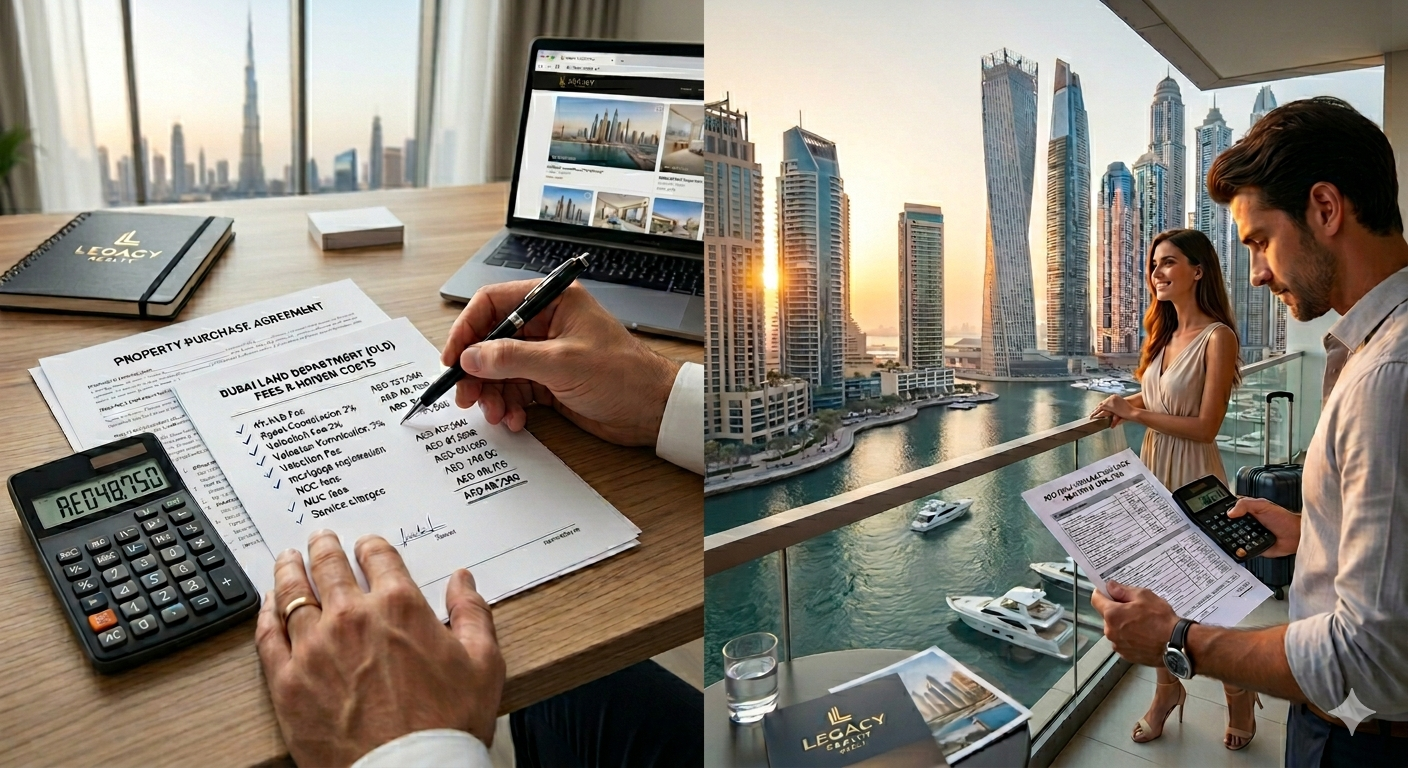
Process
April 18, 2026

Documents to Buy Property in Dubai: Complete Checklist for Buyers & Investors (2026 Guide)

Buying real estate in Dubai is straightforward, but having the right paperwork is essential to avoid delays or legal issues. Whether you’re a first-time buyer, seasoned investor, or foreign national, this guide covers all the documents to buy property in Dubai with a clear, SEO-optimized structure.  Why Documentation Matters When Buying Property in DubaiDubai’s property market is regulated and transparent, but every transaction must comply with legal procedures. Proper documentation ensures:Smooth ownership transferCompliance with UAE lawsProtection against fraudFaster mortgage approval (if applicable)  Essential Documents to Buy Property in DubaiBelow is a complete checklist of the most important documents required:1. Valid Passport CopyAll buyers must provide:Clear copy of passportValid for at least 6 monthsFor UAE residents:Passport + residency visa page  2. Emirates ID (For Residents)If you live in the UAE, you must submit:Copy of Emirates IDOriginal ID for verificationNon-residents are not required to provide this.  3. Proof of AddressTypically required for compliance and verification:Utility bill (electricity/water)Bank statementTenancy contract  4. Memorandum of Understanding (MOU)Also known as Form F, this is a critical legal document that includes:Agreed purchase pricePayment termsBuyer and seller obligationsBoth parties must sign this before proceeding.  5. No Objection Certificate (NOC)Issued by the property developer, confirming:No outstanding dues on the propertyApproval for ownership transfer  6. Title DeedThis document proves property ownership:Issued by Dubai Land Department (DLD)Must be verified before purchase  7. Sales Purchase Agreement (SPA)A binding contract that outlines:Property detailsPayment structureCompletion dateThis is especially important for off-plan properties.  8. Mortgage Documents (If Applicable)If you are financing the property, additional documents include:Bank pre-approval letterSalary certificateBank statements (last 3–6 months)Credit report  9. Payment ReceiptsKeep records of all payments such as:Booking feeDown paymentInstallments  10. Power of Attorney (If Applicable)If someone is acting on your behalf:Notarized Power of Attorney documentPassport copies of both parties  Additional Documents for Foreign BuyersForeign nationals can buy property in designated freehold areas in Dubai. Required documents include:Passport copy (mandatory)Entry stamp or visa (if visiting UAE)Proof of fundsGood news: No residency visa is required to purchase property.  Documents Required for Off-Plan Property PurchasesWhen buying directly from a developer:Reservation formInitial deposit receiptPayment plan agreementDeveloper-issued SPA  Step-by-Step Property Buying Process in DubaiStep 1: Agreement Between Buyer & SellerSign the MOU and pay a deposit (usually 10%).Step 2: Apply for NOCDeveloper issues approval for transfer.Step 3: Final Transfer at DLDSubmit documents and complete ownership transfer.  Tips to Avoid Documentation MistakesDouble-check passport validityEnsure all names match across documentsWork with a registered real estate agentVerify title deed authenticityKeep digital and physical copies  FAQs About Documents to Buy Property in DubaiDo I need a visa to buy property in Dubai?No, foreign buyers do not need a residency visa.Can I buy property remotely?Yes, using Power of Attorney.How long does the process take?Typically 2–4 weeks if all documents are ready.  Final ThoughtsHaving the correct documents to buy property in Dubai ensures a smooth and secure transaction. Whether you’re investing or purchasing a home, being prepared with this checklist will save time, reduce stress, and help you avoid costly mistakes. 
Read Full Article

Process
April 15, 2026

Ejari Registration in Dubai: Step-by-Step Process for Tenants

Introduction If you're renting a property in Dubai, completing your Ejari registration in Dubai is not just a formality—it's a legal requirement. Whether you're a first-time tenant or renewing your lease, understanding the Ejari system is essential to avoid complications with utilities, visa processing, or legal disputes.This guide walks you through everything you need to know, including the step-by-step process, required documents, fees, and why Ejari registration is crucial. What is Ejari in Dubai?Ejari, which means “my rent” in Arabic, is an official system introduced by the Dubai Land Department to regulate and record all rental contracts in Dubai. It ensures transparency between landlords and tenants while protecting both parties' rights.Without Ejari registration, your tenancy contract is not legally recognized in Dubai. Why is Ejari Registration Important?Understanding the importance of Ejari registration in Dubai can save you from legal and administrative issues:1. Legal ProtectionEjari ensures your rental agreement is legally binding and recognized by authorities.2. Access to Essential ServicesYou need Ejari to:Activate DEWA (Dubai Electricity & Water Authority)Apply for residence visasSet up internet and telecom services3. Dispute ResolutionIn case of rental disputes, Ejari acts as official proof of tenancy.4. Compliance with Dubai LawRegistering Ejari is mandatory under Dubai tenancy laws.Documents Required for Ejari RegistrationBefore starting the process, gather the following documents:Signed tenancy contractTenant’s passport copyTenant’s Emirates ID (if available)Landlord’s passport copy (or trade license if company-owned)Title deed of the propertyPrevious Ejari certificate (for renewals)Make sure all documents are clear and valid to avoid delays. Step-by-Step Process for Ejari Registration in DubaiHere’s a simple step-by-step guide to complete your Ejari registration:Step 1: Prepare Your DocumentsEnsure all required documents are complete and signed by both tenant and landlord.Step 2: Choose Registration MethodYou can register Ejari through:Ejari typing centers (offline)Dubai REST app (online)Official Ejari websiteStep 3: Submit ApplicationUpload or submit your documents through your chosen platform.Step 4: Pay Ejari FeesComplete the payment to process your application.Step 5: Receive Ejari CertificateOnce approved, you will receive your Ejari certificate with a unique Ejari number. Ejari Registration Fees in DubaiThe cost of Ejari registration in Dubai is relatively affordable:Ejari registration fee: AED 100Knowledge fee: AED 10Innovation fee: AED 10 Total Estimated Cost: AED 120–220 (depending on service provider)Additional service charges may apply if using typing centers. Online Ejari Registration in DubaiFor convenience, tenants can complete the process online: Benefits of Online RegistrationSaves time and effortAvailable 24/7Easy document uploadInstant tracking of application Steps for Online EjariDownload the Dubai REST appCreate/login to your accountUpload required documentsPay fees onlineReceive digital Ejari certificate Common Mistakes to AvoidWhen applying for Ejari registration, avoid these common errors:Submitting incomplete documentsIncorrect tenant or landlord detailsDelay in registration after signing contractUsing outdated tenancy agreementsThese mistakes can lead to delays or rejection. How Long Does Ejari Registration Take?Typically, Ejari registration is processed within: Online applications: 1–2 working days Typing centers: Same day or within 24 hoursDelays may occur if documents are incorrect or incomplete. Ejari Renewal ProcessIf you're renewing your lease, you must also renew your Ejari:Steps for RenewalSubmit updated tenancy contractProvide previous Ejari certificatePay renewal feesReceive updated Ejari certificate Frequently Asked Questions (FAQs)Is Ejari registration mandatory in Dubai?Yes, it is legally required for all rental agreements.Can tenants register Ejari themselves?Yes, tenants can complete the process online or via typing centers.What happens if Ejari is not registered?You may face issues with utilities, visas, and legal disputes. ConclusionCompleting your Ejari registration in Dubai is a crucial step in securing your tenancy legally and ensuring access to essential services. The process is straightforward, affordable, and can be done online or offline.By following this step-by-step guide, you can avoid delays, ensure compliance with Dubai laws, and enjoy a hassle-free renting experience. Final TipAlways register your Ejari immediately after signing your tenancy contract to avoid unnecessary complications later.
Read Full Article

Process
April 14, 2026

Dubai Real Estate Laws Explained: A Beginner’s Guide

What Are Dubai Real Estate Laws?Dubai real estate laws are a set of regulations that govern property ownership, transactions, leasing, and dispute resolution in Dubai. These laws ensure a transparent, secure, and investor-friendly real estate market.The system is regulated mainly by the Dubai Land Department (DLD) and the Real Estate Regulatory Agency (RERA), which oversee property registration, compliance, and legal enforcement.  Types of Property Ownership in DubaiFreehold OwnershipFreehold ownership gives full ownership of both property and land. It is available to foreigners in designated areas, allowing complete control over selling, leasing, or inheriting the property.Leasehold OwnershipLeasehold ownership grants the right to use a property for a fixed period, typically between 10 and 99 years. The land remains under the ownership of the landlord.Commonhold OwnershipCommonhold ownership applies mostly to apartment buildings, where individuals own their units while sharing ownership of common areas such as hallways, gyms, and pools.  Property Ownership Rights for ForeignersDubai allows foreign nationals to invest in specific freehold zones.Designated Freehold AreasPopular freehold areas include:Dubai MarinaDowntown DubaiPalm JumeirahOwnership BenefitsForeign investors can enjoy:Full ownership rights in freehold zonesRights to sell, lease, or transfer propertyEligibility for residency visa options based on investment value  Key Legal Documents in Dubai Real EstateSale and Purchase Agreement (SPA)A legally binding contract between buyer and seller that outlines payment terms, obligations, and property details.Title DeedThe official ownership document issued by the Dubai Land Department confirming legal ownership of the property.Ejari RegistrationMandatory registration for rental contracts that ensures legal protection for both tenants and landlords.  Property Buying Process in DubaiStep-by-Step ProcessAgree on property priceSign Memorandum of Understanding (MoU)Pay deposit (usually 10%)Obtain No Objection Certificate (NOC) from developerComplete transfer at the Dubai Land DepartmentCommon CostsDLD transfer fee: approximately 4% of property valueAgent commission: around 2%Registration and administrative fees  Rental Laws and Tenant RightsDubai has strong regulations to protect tenants and landlords.Rent Increase RulesRent increases are controlled by the RERA rental index, and landlords must provide at least 90 days’ notice before increasing rent.Tenant Protection RightsTenants are protected against unfair eviction and have the right to contract renewal under regulated conditions.Dispute ResolutionRental disputes are handled by the Rental Dispute Center, ensuring fair and legal resolution.  Legal Protections for Buyers and InvestorsEscrow Account ProtectionAll off-plan project payments are held in regulated escrow accounts to ensure funds are used only for construction.Developer RegulationDevelopers must be registered with authorities and follow strict compliance rules for project approval and execution.Anti-Fraud MeasuresDubai enforces strict penalties against fraud and misrepresentation in real estate transactions.  Common Legal Mistakes to AvoidFailing to verify property ownership before purchaseIgnoring contract clauses in agreementsNot registering rental contracts through EjariSkipping legal due diligence on developers  Dispute Resolution System in DubaiRental Dispute CenterHandles conflicts between landlords and tenants efficiently through legal procedures.Dubai CourtsDeals with major real estate disputes, fraud cases, and contractual breaches.Mediation ServicesMany disputes are resolved through mediation before reaching court, saving time and costs.Why Dubai Real Estate Laws Are Investor-FriendlyDubai offers one of the most secure real estate environments globally due to:Transparent regulatory systemStrong investor protection lawsSecure property registration processNo annual property taxThese factors make Dubai highly attractive for international investors. Final ThoughtsDubai real estate laws provide a structured and secure framework for property investment. By understanding ownership types, legal documents, buying procedures, and tenant rights, investors can make informed and safe decisions in the Dubai property market.
Read Full Article

News
April 13, 2026

Top Banks in Dubai for Home Loans and Property Financing

IntroductionDubai’s real estate market continues to attract investors, expats, and residents looking to own property. Whether you're buying your first home or investing, choosing the right bank is critical. The best Dubai home loan banks offer competitive interest rates, flexible repayment terms, and efficient approval processes.In this guide, we’ll explore the top banks in Dubai for home loans, compare their offerings, and help you make an informed decision. Why Choosing the Right Bank MattersSelecting the right mortgage provider can significantly impact your financial future. Key factors include:Interest rates (fixed vs. variable)Loan tenureDown payment requirementsProcessing feesApproval timeDubai’s banking sector is highly competitive, giving borrowers multiple options tailored to different needs. Top Dubai Home Loan Banks 1. Emirates NBDOverview:One of the largest banks in the UAE, Emirates NBD offers a wide range of mortgage solutions for residents and non-residents.Key Features:Competitive fixed and variable ratesLoan tenure up to 25 yearsFinancing up to 80% of property valueFast pre-approval processBest For: First-time buyers and salaried individuals2. Dubai Islamic BankOverview:A leading Islamic bank offering Sharia-compliant home financing options.Key Features:Profit-based (non-interest) financingFlexible repayment plansHigh financing limitsIdeal for Islamic finance seekersBest For: Buyers looking for Sharia-compliant mortgages3. Abu Dhabi Commercial Bank (ADCB)Overview:Known for its competitive mortgage products and excellent customer service.Key Features:Low-interest ratesQuick loan approvalsFlexible salary transfer optionsFinancing for both residents and expatsBest For: Expats seeking competitive rates4. HSBC UAEOverview:A global bank offering premium mortgage solutions in Dubai.Key Features:International mortgage expertiseFlexible repayment termsSpecial offers for Premier customersMulti-currency optionsBest For: High-income professionals and international buyers5. Mashreq BankOverview:Mashreq provides innovative home financing with digital-first services.Key Features:Quick online applicationCompetitive fixed ratesFlexible down payment optionsFast processingBest For: Tech-savvy borrowers seeking convenience6. Standard Chartered UAEOverview:Offers tailored mortgage solutions for expats and high-net-worth individuals.Key Features:Customized loan packagesAttractive interest ratesFlexible tenureGlobal banking supportBest For: Expats and investors Comparison of Dubai Home Loan BanksBankInterest RatesMax Loan TenureApproval SpeedSpecial FeatureEmirates NBDCompetitiveUp to 25 yearsFastHigh financing ratioDubai Islamic BankProfit-basedUp to 25 yearsModerateSharia-compliantADCBLowUp to 25 yearsFastExpats friendlyHSBC UAEPremiumUp to 25 yearsModerateGlobal accessMashreq BankCompetitiveUp to 25 yearsVery FastDigital processingStandard Chartered UAEFlexibleUp to 25 yearsModerateCustom solutions Interest Rates and Loan Terms in Dubai Mortgage rates in Dubai typically fall into two categories:Fixed Rates: Locked for 1–5 years, ideal for stabilityVariable Rates: Linked to EIBOR, may fluctuateTypical Range (2026):Fixed: 3.99% – 5.49%Variable: 4.25% – 6.00%Loan tenure can go up to 25 years, depending on age and income. Eligibility Criteria for Home LoansTo qualify for a mortgage in Dubai, most banks require:Minimum monthly salary (AED 10,000–15,000)Valid residency visa (for expats)Good credit historyDown payment:20% (residents)25%+ (non-residents) Approval Process ExplainedThe mortgage approval process usually involves:Pre-Approval (2–5 days)Property SelectionValuation & DocumentationFinal ApprovalDisbursementTotal time: 1–3 weeks Tips to Choose the Best Dubai Home Loan BankCompare at least 3 banks before decidingCheck hidden fees (processing, valuation, insurance)Opt for fixed rates if interest rates are risingImprove your credit score before applyingConsider pre-approval to strengthen your buying position Final ThoughtsChoosing among the top Dubai home loan banks depends on your financial goals, income, and preferences. Whether you prioritize low interest rates, fast approvals, or Islamic financing, Dubai offers a wide range of mortgage options.Banks like Emirates NBD and Dubai Islamic Bank stand out for their reliability and flexible offerings, while international players like HSBC UAE cater to global clients. FAQsWhich bank is best for home loans in Dubai?It depends on your needs, but Emirates NBD, ADCB, and Dubai Islamic Bank are among the top choices.Can expats get a home loan in Dubai?Yes, most major banks offer mortgages to expats with slightly higher down payment requirements.What is the minimum salary for a home loan?Typically AED 10,000–15,000, depending on the bank. 
Read Full Article
Lifestyle
April 10, 2026

Cash vs Mortgage: Which Is Better for Buying Property in Dubai?

When it comes to investing in Dubai’s booming real estate market, one key question dominates: cash vs mortgage Dubai property—which option is better?Whether you're a seasoned investor or entering the market for the first time, choosing between paying cash or financing with a mortgage can significantly impact your ROI, liquidity, and long-term financial strategy.In this guide, we break down both options with a clear comparison of returns, risks, and investor strategies—so you can make the smartest decision for your portfolio. Understanding the Dubai Property MarketDubai has become a global hotspot for real estate investment due to:Tax-free rental incomeHigh rental yields (5–9% on average)Strong infrastructure and tourism growthInvestor-friendly policiesThis makes the cash vs mortgage decision even more crucial, as both approaches can yield strong returns—but in different ways.Buying Property in Dubai with Cash Advantages of Paying Cash1. Higher Net ROI (No Interest Payments)When you buy property outright, you eliminate mortgage interest, increasing your overall profit margins.2. Faster TransactionsCash buyers often close deals quicker and may secure better discounts from sellers or developers.3. No Debt RiskYou avoid financial obligations, interest rate fluctuations, and foreclosure risks.4. Stronger Negotiation PowerSellers prefer cash buyers, especially in competitive markets.Disadvantages of Paying Cash1. Reduced LiquidityTying up a large amount of capital in one asset limits your ability to diversify investments.2. Opportunity CostThat capital could potentially earn higher returns elsewhere (stocks, businesses, etc.). Buying Property in Dubai with a MortgageAdvantages of Mortgage Financing1. Leverage to Increase ROIMortgages allow you to control a high-value asset with a smaller initial investment.Example:25% down paymentProperty appreciates 10%ROI on invested cash becomes significantly higher2. Better LiquidityYou retain cash for other investments or emergencies.3. Portfolio DiversificationInstead of one property, you can invest in multiple assets.Disadvantages of Mortgage Financing1. Interest Costs Reduce ProfitMortgage payments include interest, which lowers net rental yield.2. Market Risk AmplificationIf property prices fall, leveraged investors face greater losses.3. Eligibility & Approval ProcessBanks in Dubai have strict lending criteria for expats and investors.ROI Comparison: Cash vs MortgageFactorCash PurchaseMortgage PurchaseInitial InvestmentHighLow–ModerateROI PotentialStable, lower % returnHigher % return via leverageRisk LevelLowMedium–HighLiquidityLowHighMonthly Cash FlowHigher (no EMI)Lower (EMI payments) Key Insight:Cash = safer, predictable incomeMortgage = higher growth potential with increased risk Liquidity & Financial StrategyWhen Cash Makes More SenseChoose cash if you:Want passive income with minimal riskPrefer long-term holdingHave surplus capital with limited better alternatives When Mortgage Is the Better OptionChoose a mortgage if you:Want to scale your real estate portfolioAim to maximize ROI using leveragePrefer maintaining cash reserves for flexibility Risks to ConsiderMarket VolatilityDubai’s property market can fluctuate based on global economic trends.Interest Rate ChangesMortgage buyers are exposed to rising interest rates, which can affect profitability.Rental Vacancy RiskRegardless of payment method, rental income is not always guaranteed. Hybrid Strategy: The Smart Investor ApproachMany experienced investors use a hybrid approach:Pay cash for one property (stable income)Use mortgages for additional properties (growth & leverage)This balances risk, liquidity, and returns effectively. Final Verdict: Cash vs Mortgage Dubai PropertySo, cash vs mortgage Dubai property—what’s better? Choose Cash If:You prioritize stability and steady incomeYou want zero debt and minimal risk Choose Mortgage If:You aim to maximize ROI and scale investmentsYou’re comfortable managing financial risk ConclusionThere’s no one-size-fits-all answer in the cash vs mortgage Dubai property debate. The right choice depends on your:Financial goalsRisk toleranceInvestment horizonFor most investors, the smartest move is not choosing one over the other—but strategically using both. FAQsIs buying property in Dubai with cash better?It’s safer and offers higher net income, but limits liquidity and diversification.Can foreigners get a mortgage in Dubai?Yes, expats can obtain mortgages, but eligibility depends on income, residency, and credit profile.Which option gives better ROI in Dubai real estate?Mortgage financing can deliver higher percentage ROI due to leverage, but comes with higher risk.
Read Full Article
Process
April 09, 2026

How to Get a Mortgage in Dubai: Complete Guide for Expats (2026)

If you're an expat dreaming of owning property in the UAE, securing a mortgage in Dubai for expats is more achievable than ever. With a well-regulated property market, competitive interest rates, and flexible financing options, Dubai has become a hotspot for foreign investors and residents alike.This comprehensive guide will walk you through everything you need to know—from eligibility requirements to documentation, interest rates, down payments, and the best banks for expat mortgages. Why Dubai is Attractive for Expats Buying PropertyDubai offers:Tax-free property ownershipHigh rental yields (5–8% on average)Long-term residency options linked to property investmentA stable and regulated real estate marketThese factors make it highly appealing for expats to secure a mortgage rather than rent long-term.Can Expats Get a Mortgage in Dubai?Yes, expats can easily obtain a mortgage in Dubai for expats, provided they meet certain criteria set by banks and UAE regulations.Both residents and non-residents are eligible, although terms may differ slightly. Eligibility Criteria for ExpatsTo qualify for a mortgage, expats typically need to meet the following:1. Age RequirementsMinimum: 21 yearsMaximum: 65 (salaried) or 70 (self-employed) at loan maturity2. Minimum SalaryUsually AED 10,000–15,000/monthSome banks may require higher income for premium properties3. Employment StatusSalaried employees or self-employed individualsStable employment (typically 6+ months in current job)4. Credit ScoreA good credit history (Al Etihad Credit Bureau report)No major defaults or outstanding debtsTypes of Mortgages AvailableWhen applying for a mortgage in Dubai for expats, you’ll typically choose from:1. Fixed-Rate MortgageInterest rate locked for 1–5 yearsIdeal for predictable monthly payments2. Variable-Rate MortgageRate fluctuates based on market conditionsUsually tied to EIBOR (Emirates Interbank Offered Rate)3. Offset MortgageLinked to your savings accountReduces interest payable Additional costs to consider:4% Dubai Land Department (DLD) fee2%–3% agent commissionMortgage processing fees (~1%) Interest Rates in Dubai (2026)Mortgage rates vary depending on the bank and your profile:Fixed rates: ~3.99% – 5.5%Variable rates: ~EIBOR + 1.5% – 3%Factors affecting your rate:Credit scoreSalary levelEmployer profileLoan-to-value (LTV) ratio Documents Required for ExpatsPrepare the following when applying: For Salaried IndividualsPassport copyVisa and Emirates IDSalary certificateLast 6 months’ bank statementsPayslips (3–6 months)For Self-EmployedTrade licenseCompany financial statements (2 years)Bank statementsProof of incomeBest Banks Offering Mortgages in DubaiSome of the top banks providing a mortgage in Dubai for expats include:Emirates NBDDubai Islamic BankHSBC Middle EastMashreq BankAbu Dhabi Commercial Bank (ADCB)Each offers different rates, fees, and eligibility conditions—so comparing options is crucial. Step-by-Step Process to Get a MortgageStep 1: Get Pre-ApprovalSubmit initial documentsBank assesses your eligibilityPre-approval valid for 60–90 daysStep 2: Property SelectionChoose a property within your approved budgetStep 3: Final Mortgage ApprovalProperty valuation by the bankFinal offer issuedStep 4: Sign AgreementSign mortgage and sale agreementsStep 5: Transfer OwnershipRegister with Dubai Land DepartmentPay fees and complete transferTips to Increase Approval ChancesMaintain a strong credit scoreReduce existing debtsSave for a higher down paymentChoose properties from approved developersWork with a mortgage brokerCommon Mistakes to AvoidNot budgeting for hidden costsIgnoring pre-approvalChoosing the wrong interest typeOverstretching your financesIs It Better to Rent or Buy in Dubai?Buying with a mortgage in Dubai for expats can be more cost-effective long-term if:You plan to stay 5+ yearsYou want to build equityRental prices are rising Final ThoughtsGetting a mortgage in Dubai for expats is a straightforward process if you understand the requirements and plan ahead. With competitive interest rates, flexible loan options, and strong investment potential, owning property in Dubai is an excellent opportunity for expats.Before applying, compare banks, understand all costs, and ensure your finances are in order to secure the best deal possible. FAQsCan non-residents get a mortgage in Dubai?Yes, but they may face stricter terms and higher down payments.How long does mortgage approval take?Typically 2–4 weeks.What is the maximum loan tenure?Up to 25 years.Can I pay off my mortgage early?Yes, but early settlement fees (usually 1%) may apply.Ready to buy property in Dubai? Start by getting pre-approved and comparing lenders to find the best mortgage deal tailored to your needs.

Read Full Article
Process
April 07, 2026

How Property Management Services Help Landlords Maximize Rental Income

IntroductionOwning rental property can be a highly profitable investment—but only when managed effectively. Many landlords struggle with tenant issues, maintenance, legal compliance, and consistent rent collection, which can significantly impact their income.This is where professional property management services come in. Understanding the property management Dubai benefits can help landlords unlock higher returns, reduce stress, and maintain long-term property value.In this guide, we’ll break down how property management companies help maximize rental income and why they are a smart investment for landlords in Dubai. 1. Strategic Tenant Screening for Reliable IncomeOne of the biggest risks landlords face is unreliable tenants. Late payments, property damage, or early lease termination can disrupt your cash flow.How Property Managers Help:Conduct thorough background checksVerify employment and income stabilityReview rental history and referencesScreen for high-risk tenantsImpact on Rental Income:High-quality tenants are more likely to:Pay rent on timeStay longer (reducing vacancy costs)Take care of the propertyThis directly contributes to steady and predictable rental income. 2. Reduced Vacancy Through Effective MarketingEmpty properties mean zero income. A key advantage of property management is minimizing vacancy periods.What They Do:List properties on top real estate portalsUse professional photography and compelling descriptionsSet competitive rental prices based on market analysisHandle inquiries and property showingsResult:Faster tenant placement and optimized rental rates—two essential components of maximizing income. 3. Optimized Rental Pricing StrategySetting the right rental price is crucial. Too high, and your property stays vacant. Too low, and you lose potential income.Property Managers:Analyze current market trendsCompare similar properties in the areaAdjust pricing based on demand and seasonalityBenefit:Landlords earn the maximum possible rent without increasing vacancy risk, one of the key property management Dubai benefits. 4. Efficient Rent Collection SystemsLate or missed rent payments can disrupt your financial planning.Property Management Solutions:Automated payment systemsClear rent policies and enforcementPrompt follow-ups on overdue paymentsLegal escalation when necessaryOutcome:Consistent and timely rental income with minimal effort from the landlord. 5. Proactive Maintenance and Cost ControlNeglected maintenance can lead to costly repairs and unhappy tenants.Services Include:Regular property inspectionsPreventive maintenance schedulingAccess to trusted, cost-effective contractorsQuick response to repair requestsFinancial Advantage:Avoid expensive emergency repairsMaintain property valueKeep tenants satisfied (reducing turnover) 6. Legal Compliance and Risk ManagementDubai has specific rental laws and regulations that landlords must follow. Non-compliance can lead to fines or disputes.Property Managers Handle:Tenancy contracts and documentationCompliance with local rental lawsEviction procedures (if necessary)Dispute resolutionWhy It Matters:Legal protection helps avoid costly mistakes and ensures smooth operations—another major property management Dubai benefits factor. 7. Tenant Retention StrategiesFinding new tenants is expensive. Retaining good tenants is more profitable.How Property Managers Improve Retention:Maintain strong tenant relationshipsEnsure quick issue resolutionOffer lease renewal incentivesKeep properties in excellent conditionResult:Lower turnover rates and reduced vacancy costs, leading to higher long-term income. 8. Time Savings = More Investment OpportunitiesManaging property is time-consuming. From tenant calls to maintenance issues, it can quickly become overwhelming.With Property Management:Day-to-day operations are fully handledLandlords can focus on expanding their portfolioPassive income becomes truly passiveBigger Picture:More time allows landlords to invest in additional properties, increasing overall rental income. 9. Financial Reporting and TransparencyTracking income and expenses is essential for profitability.Property Managers Provide:Detailed financial reportsExpense trackingRental income summariesROI insights Benefit:Landlords can make data-driven decisions to further optimize their investment returns. ConclusionHiring a professional property management company is not just about convenience—it’s a strategic move to maximize rental income.From tenant screening and rent collection to legal compliance and maintenance, the property management Dubai benefits are clear:Higher occupancy ratesBetter tenant qualityConsistent rental incomeReduced operational stressLong-term property value growthFor landlords in Dubai looking to scale their investments and boost profitability, property management services offer a powerful, results-driven solution. FAQs1. Are property management services worth it in Dubai?Yes, they help increase rental income, reduce vacancies, and handle legal and operational complexities efficiently. 2. How much do property managers charge in Dubai?Typically, fees range from 5% to 10% of annual rent, depending on services offered. 3. Can property managers help increase rent?Yes, through market analysis and strategic pricing, they ensure you charge competitive and profitable rates.
Read Full Article
News
April 06, 2026

Tenant vs Landlord Responsibilities in Dubai Rental Contracts

Dubai’s rental market is one of the most structured and regulated in the region. Whether you’re renting your first apartment or managing multiple properties, understanding tenant rights Dubai rental law is essential for avoiding disputes and ensuring a smooth tenancy experience.This guide breaks down tenant rights, landlord obligations, maintenance responsibilities, eviction rules, and dispute resolution under Dubai law. Understanding Dubai Rental LawRental relationships in Dubai are governed by Law No. 26 of 2007, as amended by Law No. 33 of 2008, and overseen by the Real Estate Regulatory Agency (RERA).These laws define the legal framework for:Lease agreementsRent increasesEvictionsMaintenance responsibilitiesDispute resolution Tenant Rights in Dubai Rental LawKnowing your rights as a tenant helps you protect yourself from unfair practices. Here are the key rights:1. Right to a Written ContractTenants must have a valid tenancy contract (Ejari registered). This ensures legal protection and enforceability.2. Protection Against Unfair Rent IncreasesLandlords must follow RERA’s rental index and provide at least 90 days’ notice before increasing rent.3. Right to a Habitable PropertyThe property must be:SafeStructurally soundFit for livingMajor repairs cannot be ignored by the landlord.4. Privacy RightsLandlords cannot enter the property without:Prior noticeTenant consent5. Right to Renew TenancyTenants generally have the right to renew unless the landlord has valid legal grounds for eviction. Landlord Responsibilities in DubaiLandlords also have clearly defined obligations under Dubai law.1. Property MaintenanceLandlords are responsible for:Structural repairsMajor maintenance (e.g., plumbing, electrical systems)2. Compliance with Legal NoticesThey must:Provide written notice for rent increasesFollow proper eviction procedures3. Providing a Livable PropertyThe property must meet health and safety standards at all times.4. Registration of Tenancy (Ejari)Although often handled by tenants, landlords must ensure the contract can be legally registered. Maintenance Responsibilities: Who Pays for What?One of the most common disputes revolves around maintenance. Here’s a clear breakdown: Tenant ResponsibilitiesTypically include:Minor repairs (e.g., light bulbs, small fixtures)Day-to-day upkeepDamage caused by misuseLandlord ResponsibilitiesInclude:Structural issuesMajor system failures (AC, plumbing, electricity)Wear and tear not caused by tenant negligenceTip: Many contracts specify a maintenance cost threshold (e.g., AED 500). Repairs below this are often the tenant’s responsibility. Eviction Rules in DubaiEvictions are strictly regulated and must follow legal procedures. Valid Reasons for EvictionA landlord can evict a tenant for:Non-payment of rentProperty misuseMajor renovationsPersonal use or sale of the property Notice Period 12 months’ written notice is required for eviction (via notary public or registered mail)Illegal EvictionsLandlords cannot:Force tenants out without noticeDisconnect utilitiesChange locks Rent Disputes and ResolutionDisputes between tenants and landlords are handled by the Rental Dispute Settlement Centre (RDSC).Common DisputesRent increasesMaintenance issuesDeposit refundsEviction disagreementsHow to File a CaseSubmit a complaint to RDSCProvide supporting documents (Ejari, contract, payment receipts)Attend hearings if requiredThe process is relatively quick and cost-effective compared to traditional courts.Security Deposit RulesSecurity deposits are refundable at the end of the tenancy, provided:No damage beyond normal wear and tearAll dues are clearedLandlords must justify any deductions with evidence. Key Tips for Tenants and LandlordsFor Tenants:Always register EjariDocument property condition at move-inKeep payment receiptsFor Landlords:Follow RERA guidelines strictlyMaintain clear communicationUse written notices for all legal actions ConclusionUnderstanding tenant rights Dubai rental law is crucial for both tenants and landlords to maintain a fair and transparent rental relationship. Dubai’s legal framework is designed to protect both parties, but awareness is key to avoiding costly disputes.By clearly defining responsibilities, respecting legal procedures, and maintaining open communication, both tenants and landlords can enjoy a smooth and hassle-free rental experience. FAQsWhat are tenant rights in Dubai rental law?Tenants have rights to a written contract, fair rent increases, property privacy, proper maintenance, and protection from unlawful eviction.Who is responsible for maintenance in Dubai?Tenants handle minor repairs, while landlords are responsible for major maintenance and structural issues.Can a landlord evict a tenant anytime?No, eviction requires valid legal reasons and a 12-month written notice.Where can rental disputes be resolved?Disputes are handled by the Rental Dispute Settlement Centre (RDSC) in Dubai.
Read Full Article
News
April 02, 2026

Best Areas to Rent Apartments in Dubai for Families and Expats (2026 Guide)

Dubai continues to be one of the most sought-after destinations for families and expats due to its tax-free income, world-class infrastructure, and high standard of living. However, choosing the best areas to rent in Dubai can be overwhelming given the wide variety of communities available.This guide compares the top neighborhoods based on affordability, schools, transport, lifestyle, and amenities, helping you make a confident and informed rental decision. Why Choosing the Right Area in Dubai Matters Dubai is not just a city—it’s a collection of diverse communities, each offering a unique lifestyle. Whether you're relocating with family or moving solo as an expat, your choice of location directly impacts:Daily commute timeAccess to schools and healthcareCost of livingSocial and lifestyle preferences 1. Dubai Marina – Best for Expats & Waterfront Living OverviewOne of the most popular areas among expats, Dubai Marina offers stunning waterfront views, high-rise apartments, and vibrant city life.Key Features Lifestyle: Urban, lively, nightlife-focusedTransport: Excellent connectivity via Dubai Metro & tramAmenities: Restaurants, cafes, beaches, mallsSchools: Limited within walking distanceRental InsightsStudio to 2-bedroom apartments dominateMid to high rental rangeIdeal ForYoung professionals and expats seeking a modern, social lifestyle. 2. Jumeirah Village Circle (JVC) – Best for AffordabilityOverviewJVC is one of the best areas to rent in Dubai for budget-conscious tenants without compromising on quality.Key FeaturesLifestyle: Quiet, suburbanTransport: Car recommendedAmenities: Parks, schools, supermarketsSchools: Good options nearbyRental InsightsAffordable studios to family apartmentsHigh value for moneyIdeal ForFamilies and expats looking for affordability and space. 3. Downtown Dubai – Best for Luxury LivingOverviewHome to landmarks like Burj Khalifa and Dubai Mall, Downtown Dubai offers a premium lifestyle.Key FeaturesLifestyle: Upscale, vibrantTransport: Metro accessAmenities: World-class dining, entertainmentSchools: Limited nearbyRental InsightsHigh rental pricesLuxury apartments with premium facilitiesIdeal ForHigh-income expats and professionals seeking prestige and convenience. 4. Dubai Silicon Oasis – Best for FamiliesOverviewA family-friendly community known for affordability and a quieter lifestyle.Key FeaturesLifestyle: Peaceful, community-orientedTransport: Car essentialAmenities: Schools, parks, clinicsSchools: Multiple reputable optionsRental InsightsAffordable 1–3 bedroom apartmentsSpacious layoutsIdeal ForFamilies with children looking for a balanced lifestyle. 5. Arabian Ranches – Best for Villa LivingOverviewA premium gated community offering villas instead of apartments.Key FeaturesLifestyle: Exclusive, suburbanTransport: Car requiredAmenities: Golf courses, parks, schoolsSchools: Top-tier institutions nearbyRental InsightsHigher rental costsIdeal for larger familiesIdeal ForFamilies seeking privacy, space, and luxury. 6. Deira – Best for Budget RentersOverviewOne of the oldest parts of Dubai, offering affordable housing and cultural charm.Key FeaturesLifestyle: Traditional, busyTransport: Excellent metro and bus connectivityAmenities: Markets, restaurants, shopsSchools: Good availabilityRental InsightsLowest rental prices in DubaiOlder buildingsIdeal ForBudget-conscious expats and workers. 7. Business Bay – Best for ProfessionalsOverviewLocated near Downtown, Business Bay is ideal for working professionals.Key FeaturesLifestyle: Fast-paced, modernTransport: Metro accessAmenities: Offices, cafes, gymsSchools: LimitedRental InsightsMid to high price rangeModern apartmentsIdeal ForProfessionals working in corporate sectors. Key Factors to Consider Before Renting in Dubai 1. BudgetRental prices vary significantly depending on the area. Always factor in:Security depositsAgency feesUtility bills 2. Proximity to WorkTraffic in Dubai can be heavy—choose a location close to your workplace or metro access. 3. School AvailabilityIf you have children, prioritize areas with reputable schools. 4. Lifestyle PreferencesNightlife: Dubai Marina, DowntownQuiet living: JVC, Silicon OasisLuxury: Downtown, Arabian Ranches Final ThoughtsChoosing the best areas to rent in Dubai depends largely on your budget, lifestyle, and family needs.If you want affordable family living, go for JVC or Silicon Oasis.For luxury and prestige, Downtown Dubai is unmatched.If you're an expat seeking a lively environment, Dubai Marina is a top choice.By carefully evaluating each community, you can find a place that perfectly fits your lifestyle in Dubai. FAQs What is the cheapest area to rent in Dubai?Deira and JVC are among the most affordable options.Which area is best for families in Dubai?Dubai Silicon Oasis and Arabian Ranches are ideal for families.Where do most expats live in Dubai?Dubai Marina, JVC, and Business Bay are popular among expats.
Read Full Article
Process
March 31, 2026

Renting Property in Dubai: Complete Guide for Expats

If you're planning to move to Dubai, understanding the rental process is essential for a smooth transition. This renting property in Dubai guide covers everything expats need to know—from finding the right home to signing contracts, registering tenancy, and understanding tenant rights. Why Rent in Dubai? Dubai is one of the most expat-friendly cities in the world, offering:A wide range of rental options (apartments, villas, serviced units)Modern infrastructure and amenitiesTax-free income benefits for many professionalsHowever, renting here follows specific legal procedures that every tenant must understand. Step 1: Property Search in DubaiStart your journey by identifying:Preferred areas (Dubai Marina, Downtown, JVC, etc.)Budget (typically paid annually via post-dated cheques)Type of property (studio, apartment, villa) Where to Search:Online portals (Property Finder, Bayut)Real estate agenciesSocial media groups💡 Tip: Always work with RERA-certified agents to avoid scams. Step 2: Understanding Rental CostsBefore renting, be aware of the full cost breakdown:Annual Rent – Paid in 1–4 chequesSecurity Deposit – Usually 5% (unfurnished) or 10% (furnished)Agency Fee – Around 2–5% of annual rentDEWA Connection – Utility setup feeEjari Registration Fee Step 3: Signing the Tenancy ContractOnce you finalize a property:Review the tenancy contract carefullyEnsure all terms are clearly mentioned (rent, payment schedule, maintenance responsibilities)Dubai follows standardized rental contracts regulated by the government. Step 4: Ejari RegistrationRegistering your tenancy with Ejari is mandatory.Why Ejari Matters:Legal proof of your tenancyRequired for visa processing, utilities, and disputesProtects tenant rightsDocuments Needed:Signed tenancy contractPassport copyEmirates IDTitle deed (provided by landlord) Step 5: Paying the Deposit & Moving InAfter signing:Pay the security depositSubmit post-dated rent chequesSet up utilities (DEWA, internet)Make sure to:Inspect the propertyDocument any damages before moving in Step 6: Tenant Rights in DubaiDubai has strong tenant protection laws regulated by the Rental Dispute Center (RDC).Key Rights:Landlords must give 90 days notice for rent increasesEviction requires valid legal reasonsMaintenance responsibilities must be honored as per contract Always keep a copy of all documents and receipts. Step 7: Rental Renewal ProcessWhen your contract is about to expire:Landlord must notify changes 90 days priorIf no changes, contract auto-renews under same termsYou can negotiate rent based on RERA rental index Common Mistakes to Avoid❌ Not registering Ejari❌ Paying cash without receipts❌ Ignoring contract details❌ Renting without viewing property❌ Dealing with unlicensed agents Final ThoughtsThis renting property in Dubai guide simplifies the process for expats, helping you avoid costly mistakes and legal issues. With proper planning, understanding of rules, and careful documentation, renting in Dubai can be a seamless experience. FAQs1. Can expats rent property in Dubai?Yes, expats can legally rent property across Dubai without restrictions.2. How many cheques are required for rent?Typically 1–4 cheques per year, depending on landlord agreement.3. Is Ejari mandatory?Yes, it is legally required for all rental agreements.4. Can rent increase anytime?No, rent increases are regulated and require 90 days notice. 
Read Full Article
Market News
March 29, 2026

Dubai Property Market Forecast: What Buyers and Sellers Should Expect (2026 & Beyond)

Dubai Property Market Forecast: What Buyers and Sellers Should Expect (2026 & Beyond)IntroductionThe Dubai real estate market forecast continues to attract global attention as investors, buyers, and sellers look to capitalize on one of the world’s most dynamic property markets. Known for its rapid growth, investor-friendly policies, and luxury developments, Dubai’s property sector has shown remarkable resilience and adaptability.As we move into 2026 and beyond, understanding market trends, supply-demand dynamics, government initiatives, and foreign investment patterns is crucial for making informed decisions. Overview of Dubai’s Real Estate MarketDubai’s property market has experienced multiple growth cycles over the past two decades. Following a strong post-pandemic recovery, the market has entered a more mature phase characterized by:Stable price growthIncreased transaction volumesStrong off-plan salesRising rental yieldsThe emirate continues to position itself as a global hub for business, tourism, and luxury living—factors that directly influence real estate demand. Key Factors Shaping the Dubai Real Estate Market Forecast1. Supply and Demand DynamicsDubai’s property market is heavily influenced by the balance between new supply and buyer demand.Current Trends:Significant pipeline of new developments, especially in suburban and waterfront areasContinued demand from expatriates and international investorsGrowing interest in villas and townhousesForecast Insight:While new supply may increase competition, strong population growth and investor demand are expected to absorb much of the inventory, preventing major price corrections. 2. Population Growth and Urban ExpansionDubai’s population is projected to grow steadily, driven by:Skilled migrationBusiness expansionRemote workers relocating for lifestyle benefitsImpact on Real Estate:Higher demand for residential unitsIncreased need for affordable housingExpansion into new communitiesThis sustained population growth supports long-term property value appreciation. 3. Government Initiatives and PoliciesDubai’s leadership has introduced several reforms to attract investors and residents:Long-term residency visas (Golden Visa)100% foreign business ownershipRetirement visasDigital nomad programsMarket Impact:These initiatives enhance investor confidence and encourage long-term property ownership, stabilizing the market. 4. Foreign Investment TrendsDubai remains a top destination for international real estate investors due to:Tax-free property ownershipHigh rental yields (5–8% on average)Strategic geographic locationEmerging Trends:Increased investment from Europe, Russia, India, and ChinaGrowing interest in branded residences and luxury developmentsInstitutional investors entering the marketForecast Insight:Foreign investment is expected to remain a key driver of price growth, particularly in prime and luxury segments. 5. Technology and Smart Real EstateDubai is embracing PropTech innovations, including:Blockchain-based transactionsVirtual property toursAI-driven property managementThese advancements enhance transparency, efficiency, and global accessibility—making it easier for international buyers to invest remotely. Dubai Property Price Forecast (2026–2030)Short-Term Forecast (2026–2027)Moderate price growth (3%–7% annually)Stabilization after recent rapid increasesContinued strong demand for luxury propertiesMid-Term Forecast (2028–2030)Sustainable growth aligned with economic expansionIncreased differentiation between prime and secondary locationsGreater focus on community living and lifestyle developmentsSegment-Wise OutlookLuxury Properties:Strong demand from high-net-worth individualsPrice appreciation likely to continueMid-Market Properties:Stable growth driven by end-usersCompetitive pricing due to supply increaseAffordable Housing:High demand but limited supplyPotential for strong rental yieldsOpportunities for BuyersBuyers can benefit from:Flexible payment plans in off-plan projectsCompetitive pricing in emerging areasHigh rental income potentialBest Strategy:Focus on high-growth communitiesEvaluate developer reputationConsider long-term holding for maximum ROIOpportunities for SellersSellers are currently in a favorable position due to:Strong demandHigh transaction volumesIncreasing property valuesTips for Sellers:Price competitively based on market trendsInvest in property presentationTime the market during peak demand periodsRisks and ChallengesWhile the outlook is positive, potential risks include:Oversupply in certain segmentsGlobal economic uncertaintiesInterest rate fluctuationsRegulatory changesHowever, Dubai’s proactive governance and diversified economy help mitigate these risks effectively.Expert PredictionsIndustry experts generally agree that:Dubai will remain a global real estate hotspotPrice growth will become more sustainable rather than speculativeDemand will shift toward quality, location, and lifestyleThe market is evolving from rapid expansion to long-term stability. ConclusionThe Dubai real estate market forecast for the coming years points toward steady growth, strong investor confidence, and increasing global appeal. With supportive government policies, rising population, and continued foreign investment, Dubai’s property sector is well-positioned for long-term success.Whether you are a buyer seeking high returns or a seller aiming to maximize value, understanding these market dynamics is essential to making informed decisions in one of the world’s most exciting real estate markets. FAQsIs Dubai real estate a good investment in 2026?Yes, due to high rental yields, tax benefits, and strong demand, Dubai remains an attractive investment destination.Will property prices in Dubai fall?A major decline is unlikely, but moderate growth and stabilization are expected.Which areas will see the most growth?Emerging communities, waterfront developments, and luxury districts are expected to perform strongly.
Read Full Article
Process
March 26, 2026

How to Sell Your Property Fast in Dubai: Expert Tips from Real Estate Agents

Dubai’s real estate market is fast-paced and highly competitive. Whether you're relocating, upgrading, or simply cashing in on your investment, knowing how to sell property in Dubai fast can make a significant difference in both time and profit.In this guide, we’ll break down proven strategies used by professional real estate agents—from pricing and staging to marketing and negotiation—so you can close your deal quickly and efficiently. 1. Price It Right from Day OneThe biggest mistake sellers make is overpricing their property. While it might seem logical to leave room for negotiation, in Dubai’s dynamic market, overpriced listings often sit unsold.Expert Tips:Conduct a Comparative Market Analysis (CMA) to evaluate similar properties in your area.Study recent sales data—not just listings.Consider market trends (buyer vs. seller market).💡 Pro Insight: Properties priced correctly from the start tend to attract more buyers and even spark bidding wars. 2. Boost First Impressions with Home StagingFirst impressions sell homes—especially in a visually driven market like Dubai.Staging Tips:Declutter and depersonalize the space.Use neutral tones to appeal to a broader audience.Add modern décor for a premium feel.Ensure proper lighting and cleanliness.Even small upgrades like fresh paint or fixing minor issues can significantly increase perceived value. 3. Invest in Professional Property PhotographyIn today’s digital-first property market, high-quality visuals are non-negotiable.What Works Best:Hire a professional real estate photographer.Use wide-angle shots to capture space.Include drone photography for villas and large properties.Add virtual tours or video walkthroughs.📸 Listings with professional images receive significantly more inquiries than those with amateur photos. 4. Leverage Powerful Marketing ChannelsTo sell property fast in Dubai, visibility is key.Effective Marketing Strategies:List on top property portals like Bayut, Property Finder, and Dubizzle.Promote on social media platforms (Instagram, Facebook, LinkedIn).Use targeted ads to reach serious buyers.Collaborate with experienced real estate agents who already have buyer networks.💡 Bonus Tip: Write compelling property descriptions with keywords like “luxury,” “prime location,” and “ready to move in.” 5. Choose the Right Real Estate AgentA skilled agent can dramatically speed up your sale.Look for:Strong local market knowledgeProven sales track recordAccess to qualified buyersNegotiation expertiseAgents often bring pre-qualified buyers, saving you time and effort. 6. Be Flexible with ViewingsThe more accessible your property is, the faster it will sell.Best Practices:Allow viewings during evenings and weekends.Keep your property in “show-ready” condition.Offer virtual tours for overseas buyers.📍 Dubai attracts international investors, so flexibility can open doors to global buyers. 7. Highlight Unique Selling Points (USPs)Every property has something special—make sure buyers see it.Examples:Sea view or skyline viewProximity to metro or landmarksSmart home featuresHigh rental yield potentialClearly showcasing these benefits can justify your price and speed up decision-making. 8. Master the Art of NegotiationNegotiation is where deals are won or lost.Expert Tactics:Set a minimum acceptable price beforehand.Stay calm and professional.Be open to reasonable offers.Consider incentives like covering transfer fees.💡 A good agent can negotiate better terms while keeping the deal moving quickly. 9. Ensure All Legal Documents Are ReadyDelays often happen due to incomplete paperwork.Prepare in Advance:Title deedNo Objection Certificate (NOC)Mortgage clearance (if applicable)Emirates ID and passport copiesHaving everything ready can significantly speed up the transaction process. 10. Target Cash Buyers and InvestorsCash buyers typically close deals faster since there’s no financing approval involved.How to Attract Them:Market your property as “investment-ready”Highlight ROI and rental yieldPrice competitively Final ThoughtsIf you're wondering how to sell property in Dubai fast, the answer lies in combining smart pricing, strong presentation, strategic marketing, and expert negotiation.By following these real estate agent-approved strategies, you can reduce your property’s time on the market and secure the best possible deal—without unnecessary stress FAQsHow long does it take to sell property in Dubai?On average, it can take anywhere from a few weeks to several months depending on pricing, location, and market conditions.Do I need a real estate agent to sell property in Dubai?While not mandatory, working with an agent can significantly speed up the process and improve your chances of getting a better deal.What are the costs involved in selling property in Dubai?Typical costs include agent commission (usually 2%), NOC fees, and potential mortgage clearance fees.
Read Full Article
Investment
March 24, 2026

Hidden Costs of Buying Property in Dubai (What Buyers Must Know)

Buying real estate in Dubai is an exciting investment opportunity—but many buyers focus only on the property price and overlook the additional expenses. Understanding the cost of buying property in Dubai is essential to avoid surprises and plan your budget effectively.In this guide, we break down all the hidden costs involved so you can make a well-informed decision.Why You Must Consider Hidden CostsWhile Dubai offers tax-free property ownership and high rental yields, there are several upfront and ongoing costs that can add 6%–10% or more to your total investment.1. Dubai Land Department (DLD) FeeThe Dubai Land Department (DLD) charges a mandatory fee for property transactions.Cost:4% of the property valuePlus administrative fees (approx. AED 2,000–4,000)Tip to avoid surprises:Always include this in your upfront budget—it’s non-negotiable.2. Real Estate Agency CommissionIf you're using a property agent, you’ll need to pay a commission.Cost:Typically 2% of the property value (+ 5% VAT)Tip:Confirm commission rates in writing before signing any agreement.3. Property Registration FeeThis fee is required to officially register ownership.Cost:Around AED 2,000–4,000 depending on property priceTip:Usually paid alongside DLD fees during transfer.4. Mortgage Fees (If Applicable)If you’re financing your property through a bank, additional charges apply.Costs include:Mortgage arrangement fee: ~1% of loan amountProperty valuation fee: AED 2,500–3,500Mortgage registration fee: 0.25% of loan amount + AED 290Tip:Compare banks to find the best rates and fee structures.5. Sales Progression / Trustee FeesDubai requires transactions to go through authorized trustee offices.Cost:AED 2,000–4,000 depending on property valueTip:This fee is fixed and must be paid at the time of transfer.6. No Objection Certificate (NOC) FeeThe property developer must issue an NOC before ownership transfer.Cost:AED 500 to AED 5,000Tip:Confirm whether the buyer or seller will cover this cost.7. Maintenance and Service ChargesOngoing maintenance is a significant part of the cost of buying property in Dubai.Cost:AED 10–30 per sq. ft. annually (varies by property type and location)What it covers:SecurityCleaningBuilding maintenanceFacilities (gym, pool, etc.)8. Utility Connection FeesYou’ll need to activate utilities after purchasing the property.Costs include:Electricity & water (DEWA deposit):AED 2,000 (apartment)AED 4,000 (villa)Connection fees: AED 100–5009. Home InsuranceWhile optional, property insurance is highly recommended.Cost:AED 1,000–3,000 annually depending on coverageTip:Required if you’re taking a mortgage.10. Property Management FeesIf you plan to rent out your property, you may hire a management company.Cost:5%–10% of annual rental income11. VAT (Value Added Tax)VAT applies to certain services but not most residential property purchases.Where VAT applies:Agent commissionsLegal servicesProperty management 
Read Full Article
Process
March 17, 2026

Work Visa vs Skilled Migration Visa: Which One Is Right for You?

Buying property in Dubai has become increasingly popular among international investors due to tax advantages, strong rental yields, and a transparent real estate system. If you're wondering how to buy property in Dubai, understanding the legal process and costs involved can help you avoid mistakes and make a profitable investment.This guide explains the complete property buying process in Dubai, from searching for a property to transferring ownership and receiving the title deed. Why Buy Property in Dubai? Dubai’s real estate market attracts global buyers because of its investor-friendly policies and high return potential.Key benefits include:0% annual property taxHigh rental yields (5–9% in many areas)World-class infrastructure and lifestyleLong-term residency options for investorsSecure government-regulated property system Foreign buyers can also own property in designated freehold areas such as Dubai Marina, Downtown Dubai, and Palm Jumeirah.Step-by-Step Process: How to Buy Property in Dubai 1. Determine Your Budget Before starting your property search, calculate your full investment budget. Besides the property price, buyers must pay additional fees such as:4% transfer fee to the Dubai Land Department Real estate agent commission (usually 2%)Trustee office feesMortgage fees (if financing)For example, a property worth AED 1,000,000 may require approximately 6–8% additional costs. 2. Choose the Right Location Location plays a major role in rental income and property appreciation. Popular areas for buyers include:Dubai Marina – strong rental demandDowntown Dubai – luxury apartmentsJumeirah Village Circle – affordable investments Consider your goal when choosing a location:Rental incomeCapital appreciationPersonal residence 3. Find a Property Most buyers work with licensed real estate agents regulated by the Real Estate Regulatory Agency.When evaluating properties, check:Developer reputation Property conditionAnnual service chargeRental demand in the areaThis research helps ensure your investment is safe and profitable. 4. Make an Offer and Sign the MOU Once you select a property, you negotiate the price with the seller. If the offer is accepted, both parties sign a Memorandum of Understanding (MOU), also known as Form F.This document outlines:Property pricePayment termsTransfer dateResponsibilities of buyer and seller At this stage, the buyer usually pays a 10% deposit to secure the deal. 5. Secure Financing (If Required) If you are buying through a mortgage, you must obtain financing from a UAE bank.Banks typically finance:Up to 75–80% of property value for residentsAround 50–60% for non-residentsDocuments required usually include passport copies, bank statements, and proof of income. 6. Obtain a No Objection Certificate (NOC) Before the ownership transfer, the property developer must issue a No Objection Certificate (NOC) confirming:No outstanding service chargesThe developer has no objection to the saleDevelopers typically charge a small NOC processing fee. 7. Transfer Ownership at Dubai Land Department The final transaction takes place at the Dubai Land Department or an authorized trustee office.During this stage:Buyer pays the remaining property amountTransfer fees are settledOwnership is officially transferred Both buyer and seller must attend or provide legal representation. 8. Receive the Title Deed After the transfer is completed, the buyer receives the official Title Deed issued by the Dubai Land Department.This document confirms that you are the legal owner of the property.Additional Costs When Buying Property in DubaiBesides the property price, buyers should budget for the following expenses:FeeTypical CostDubai Land Department Fee4%Real Estate Agent Commission2%Trustee Office FeeAED 4,000+Mortgage Registration0.25%Understanding these costs helps you plan your investment properly.Tips for First-Time Property Buyers in DubaiTo successfully navigate how to buy property in Dubai, consider these expert tips:Always work with RERA-licensed agents Research the property developer’s history Review annual service charges before buying Inspect resale properties carefully Evaluate expected rental yield Taking these precautions reduces risk and improves investment returns.
Read Full Article
Investment
March 14, 2026

Can Foreigners Buy Property in Dubai? Complete Legal Guide

Dubai has become one of the world’s most attractive real estate markets for international investors. With tax-free income, world class infrastructure, and high rental yields, many overseas buyers are interested in foreigners buying property in Dubai. But is it actually allowed? What are the legal rules, costs, and procedures?This complete guide explains Dubai property ownership laws for foreigners, freehold areas, documents required, financing options, and the step-by-step process to buy property in Dubai as a foreigner.Can Foreigners Buy Property in Dubai?Yes. Foreigners can legally buy property in Dubai, but only in designated freehold areas approved by the government.In these zones, international buyers can:Own property 100% in their name Sell or lease the property Pass ownership to heirs Benefit from capital appreciation Dubai introduced foreign ownership laws in 2002, transforming the city into a global real estate investment hub. What Are Freehold Areas in Dubai?Freehold areas are designated zones where foreigners can fully own property.Some of the most popular freehold communities include:Dubai Marina Downtown Dubai Palm Jumeirah Business Bay Jumeirah Village Circle (JVC) Arabian Ranches Dubai Hills Estate These locations attract international investors due to luxury developments, high rental demand, and strong resale value. Types of Property Ownership AvailableWhen discussing foreigners buying property in Dubai, there are two main ownership structures.1. Freehold OwnershipThis gives buyers full ownership of both the property and the land.Benefits include:Complete ownership rights Ability to sell, rent, or transfer property No time limitations Most international buyers choose freehold properties. 2. Leasehold OwnershipLeasehold ownership allows foreigners to own property for a fixed period (usually 10–99 years).However, the land remains owned by the freeholder.Leasehold is less common among foreign investors compared to freehold.Legal Requirements for Foreign BuyersDubai has relatively simple rules for international investors.To buy property, foreigners must:Have a valid passport Purchase property within approved freehold zones Register ownership with the Dubai Land Department (DLD) There are no residency requirements to buy property in Dubai.Documents Required to Buy Property in DubaiForeign buyers typically need the following documents:Valid passport copy Signed sale agreement (Memorandum of Understanding – MOU) Proof of funds or mortgage approval No Objection Certificate (NOC) from the developer Title deed registration with the Dubai Land Department If purchasing through financing, additional documents such as bank statements and income proof may be required.Step by Step Process for Foreigners Buying Property in DubaiBuying property in Dubai is a straightforward process.Step 1: Choose the PropertySelect a property that fits your investment goals:Luxury apartmentsVillasTownhousesOff-plan developmentsWorking with a registered real estate agent can help simplify the search. Step 2: Sign the Memorandum of Understanding (MOU)Once you agree on the price with the seller, both parties sign an MOU (Form F) outlining the transaction terms.Buyers usually pay a 10% deposit at this stage. Step 3: Obtain a No Objection Certificate (NOC)The property developer must issue an NOC confirming there are no outstanding payments.This allows the ownership transfer to proceed.Step 4: Transfer OwnershipBoth buyer and seller visit the Dubai Land Department or trustee office to transfer ownership.At this stage:Remaining payment is made Ownership is registered Buyer receives the title deed Property Costs and Fees in DubaiBesides the property price, buyers should consider additional costs.Typical fees include:Dubai Land Department fee: 4% of property value Real estate agent commission: Around 2% Trustee office fee: Approximately AED 4,000 Mortgage registration fee: 0.25% (if financing) Total transaction costs typically range between 6%–8% of the property value.Can Foreigners Get a Mortgage in Dubai?Yes. Many UAE banks offer mortgages to international buyers.However, financing conditions differ for non-residents.Typical mortgage terms:Loan-to-value (LTV): 50–60% for non-residents Down payment: 40–50% Loan tenure: Up to 25 years Banks also assess income stability and credit history before approving mortgages.Property Investment Visa in DubaiOne of the biggest benefits of foreigners buying property in Dubai is eligibility for a UAE residency visa.Property investors may qualify for:2-Year Investor VisaRequirements:Property value of at least AED 750,000 Property must be completed (not off-plan) 10-Year Golden VisaRequirements:Property investment of AED 2 million or more This visa allows long-term residency in the UAE with family sponsorship.Benefits of Buying Property in DubaiDubai offers several advantages for international investors.1. No Property TaxesDubai has no annual property tax, which increases long-term profitability.2. High Rental YieldsRental returns often range between 5% and 9% annually, higher than many global cities.3. Strong Real Estate MarketDubai’s population growth and tourism industry continue to drive real estate demand.4. Safe Investment EnvironmentDubai provides transparent regulations and strong property laws protecting investors.Risks to ConsiderAlthough Dubai’s market is attractive, buyers should consider potential risks.Market fluctuations Service charges and maintenance fees Currency exchange risks for international buyers Conducting proper due diligence is essential before purchasing property.
Read Full Article
Investment
March 12, 2026

Best Areas to Invest in Dubai Property for High ROI

Best Areas to Invest in Dubai Property for High ROIDubai has established itself as one of the world’s most attractive destinations for property investment. With its tax-free environment, world-class infrastructure, and strong rental demand, the emirate continues to draw investors from across the globe.For international buyers and real estate investors, identifying the best areas to invest in Dubai property is key to achieving strong rental income and long-term capital appreciation. The Dubai property market offers a wide range of opportunities—from luxury waterfront apartments to affordable residential communities with high rental yields.In this guide, we will explore why Dubai real estate investment remains highly profitable in 2026, examine the top-performing locations, and share expert tips to help you make the right investment decision.Why Invest in Dubai Real Estate in 2026The Dubai property market continues to show strong resilience and growth, making it one of the most appealing real estate investment destinations worldwide.Here are the key reasons why investors are increasingly choosing to invest in Dubai real estate.1. High Rental YieldsDubai offers some of the highest rental returns compared to other major global cities.Typical rental yield in Dubai ranges between:5% to 9% annually Higher returns in affordable communities Stable occupancy rates due to population growth This makes Dubai particularly attractive for investors seeking consistent rental income.2. Zero Property TaxOne of the biggest advantages of Dubai real estate investment is its tax-friendly structure.Investors benefit from:No annual property tax No capital gains tax No tax on rental income This significantly increases Dubai property ROI compared to cities like London, New York, or Singapore.3. Growing Population and TourismDubai’s population continues to expand due to:Skilled professionals relocating for work Entrepreneurs launching businesses International investors seeking residency options At the same time, Dubai remains one of the most visited cities in the world, driving demand for:Short-term rentals Holiday apartments Luxury residences 4. Government Infrastructure InvestmentsDubai’s government continues to invest heavily in infrastructure and urban development, including:Smart city initiatives Transport expansion New residential communities Mega tourism projects These developments support long-term property value growth and strengthen investor confidence.Best Areas to Invest in Dubai Property for High ROIChoosing the best areas to invest in Dubai property can significantly influence your returns. Below are four of the most attractive locations for investors in 2026.1. Downtown Dubai – Premium Location with Strong AppreciationDowntown Dubai is one of the most iconic districts in the city and remains a prime choice for luxury real estate investors.Property TypesLuxury apartments High-end penthouses Serviced residences Branded residences Average Property PricesStudio apartments: AED 1M – AED 1.4M 1-bedroom apartments: AED 1.6M – AED 2.5M Luxury penthouses: AED 6M+ Average Rental Yield5% – 7% annuallyInvestment AdvantagesDowntown Dubai offers several benefits for investors:Global landmark destination Constant tourist demand Strong capital appreciation Premium short-term rental potential High liquidity in the resale market Investors seeking prestige and long-term value often consider Downtown among the best areas to invest in Dubai property.2. Dubai Marina – Waterfront Living with High Rental DemandDubai Marina is one of the most vibrant waterfront communities in the city and remains extremely popular with expatriates.Property TypesWaterfront apartments Luxury high-rise towers Serviced apartments Holiday rental units Average Property PricesStudio apartments: AED 750K – AED 1M 1-bedroom apartments: AED 1.1M – AED 1.6M Larger apartments: AED 2M+ Average Rental Yield6% – 8% annuallyInvestment AdvantagesDubai Marina continues to perform well in the Dubai property market due to:Prime waterfront lifestyle Strong expat tenant demand High occupancy rates Excellent short-term rental opportunities Restaurants, retail, and entertainment For investors looking for strong Dubai property ROI, Dubai Marina remains one of the most reliable options.3. Business Bay – Fast-Growing Investment HubBusiness Bay has rapidly evolved into one of Dubai’s most dynamic residential and commercial districts.Located next to Downtown Dubai, the area offers modern living spaces with excellent connectivity.Property TypesHigh-rise apartments Luxury branded residences Mixed-use developments Off-plan residential towers Average Property PricesStudio apartments: AED 850K – AED 1.2M 1-bedroom apartments: AED 1.2M – AED 1.8M Luxury residences: AED 3M+ Average Rental Yield6% – 7.5% annuallyInvestment AdvantagesBusiness Bay has become one of the best areas to invest in Dubai property because of:Proximity to Downtown Dubai Growing business district Modern infrastructure New residential developments High demand from professionals Many investors are attracted by the area's strong rental demand and future growth potential.4. Jumeirah Village Circle (JVC) – Affordable Entry with High Rental YieldsJumeirah Village Circle, commonly known as JVC, is one of the fastest-growing residential communities in Dubai.It has gained massive popularity among investors looking for affordable property with strong returns.Property TypesAffordable apartments Townhouses Low-rise residential buildings Family-friendly communities Average Property PricesStudio apartments: AED 450K – AED 650K 1-bedroom apartments: AED 650K – AED 900K Townhouses: AED 1.5M+ Average Rental Yield7% – 9% annuallyInvestment AdvantagesJVC stands out in the Dubai real estate investment landscape due to:Lower property prices High rental demand Family-friendly environment Strong rental yield potential Rapid community development For investors looking for high rental yield in Dubai, JVC is often considered one of the most profitable areas.Rental Yield Comparison TableBelow is a quick comparison of the best areas to invest in Dubai property based on price, yield, and investor demand.AreaAverage Property PriceAverage Rental YieldInvestor DemandDowntown DubaiAED 1.6M – AED 3M5% – 7%Very HighDubai MarinaAED 1.1M – AED 2M6% – 8%Very HighBusiness BayAED 1.2M – AED 2M6% – 7.5%HighJumeirah Village CircleAED 650K – AED 900K7% – 9%Very HighDubai Property Market TrendsUnderstanding current Dubai property market trends can help investors make better decisions.1. Rising Property PricesDubai property values have shown strong growth due to:Increasing international demand Limited supply in prime areas Luxury property boom Many analysts expect continued price growth in high-demand districts.2. Demand from International InvestorsDubai attracts buyers from:Europe Asia Middle East Africa Many investors are drawn by the city’s stability, strong infrastructure, and residency visa opportunities linked to property ownership.3. Expansion of New DevelopmentsThe city continues to launch new projects, including:Luxury waterfront developments Smart residential communities Branded residences Mixed-use urban districts These developments are further strengthening Dubai real estate investment opportunities.Tips for Investors Buying Property in DubaiIf you plan to invest in Dubai real estate, keep these important tips in mind.1. Off-Plan vs Ready PropertyOff-plan propertiesAdvantages:Lower initial prices Flexible payment plans High capital appreciation potential Ready propertiesAdvantages:Immediate rental income Lower risk Clear market valuation Both options can generate strong Dubai property ROI depending on the project and location.2. Choose Reputable DevelopersBefore purchasing property, always research the developer’s reputation.Look for:Established track record Completed projects Strong financial stability Good customer reviews Reliable developers reduce investment risk significantly.3. Understand Rental YieldsRental yield depends on several factors:Property location Building amenities Property management Market demand Areas with affordable property prices often generate higher rental yield in Dubai.4. Consider Short-Term Rental OpportunitiesDubai’s tourism industry creates strong demand for short-term rentals.Popular areas for holiday rentals include:Downtown Dubai Dubai Marina Palm Jumeirah Business Bay Short-term rentals can often generate higher returns than long-term leases.ConclusionDubai continues to rank among the world’s top destinations for property investment. With tax-free income, strong rental demand, and a rapidly growing economy, the emirate offers excellent opportunities for both new and experienced investors.Some of the best areas to invest in Dubai property include:Downtown Dubai for luxury and capital appreciation Dubai Marina for waterfront living and strong rental demand Business Bay for rapid development and business connectivity Jumeirah Village Circle for affordable entry and high rental yields By choosing the right location and understanding market trends, investors can achieve strong Dubai property ROI and long-term financial growth.Ready to Invest in Dubai Real Estate?If you're planning to explore the best areas to invest in Dubai property, now is the perfect time to enter the market. With rising demand and ongoing development, Dubai offers one of the most exciting real estate investment opportunities in the world.Start researching projects, compare rental yields, and connect with trusted property experts to begin your Dubai real estate investment journey today.
Read Full Article
Investment
March 10, 2026

Off Plan vs Ready Property Dubai: Which Investment Is Better?

Dubai is one of the world’s leading real estate investment destinations. With tax-free income, high rental yields, and strong infrastructure, property buyers from around the world are attracted to its market.A common question among investors is off plan vs ready property Dubai: which option is better? Both property types offer unique advantages depending on your investment goals, budget, and timeline.Off-plan properties typically offer lower prices and flexible payment plans, while ready properties provide immediate rental income and lower risk. Understanding the difference between off plan vs ready property Dubai can help investors make smarter decisions. What is Off-Plan Property in Dubai?Off-plan property refers to real estate purchased before the construction is completed. Buyers usually purchase these properties directly from developers during the early stages of development. Benefits of Off-Plan Property Lower purchase prices Flexible developer payment plans High potential for capital appreciation Brand-new property at completion Attractive developer incentives These benefits make off-plan properties appealing to investors seeking long-term growth. Risks of Off-Plan Property Construction delays Market changes before project completion Dependence on developer reliability No immediate rental income Investors should carefully research developers and project timelines before purchasing. What is Ready Property in Dubai?Ready property refers to completed properties that are available for immediate purchase and occupancy. Buyers can inspect the property and start using or renting it right away. Benefits of Ready PropertyImmediate rental incomeLower investment riskAbility to inspect the propertyEstablished communities and facilitiesInstant ownershipReady properties are often preferred by buyers seeking stable and predictable returns.Risks of Ready Property Higher upfront costLimited payment plan optionsPossible maintenance expensesLower appreciation compared to early off-plan investments Off Plan vs Ready Property Dubai (Comparison) Understanding the key differences helps investors choose the right option.FactorOff-Plan PropertyReady PropertyPriceLower launch priceHigher market pricePayment PlanFlexible installmentsMortgage or full paymentRental IncomeAfter completionImmediate incomeRisk LevelModerate to highLower riskAppreciationPotentially higherModerate growthThis comparison highlights the core differences in off plan vs ready property Dubai investments. Pricing Differences Price plays a major role when comparing off plan vs ready property Dubai.Off-plan properties are usually cheaper during the launch phase. Developers offer competitive prices to attract early investors, and values often increase as construction progresses.Ready properties reflect the current market value. Buyers pay a higher price but gain immediate access to the property. Payment Plan Comparison Payment structure is another important factor.Off-Plan Payment Plans Developers often offer flexible options such as:10–20% down paymentInstallments during constructionPost-handover payment plansThese plans make off-plan investments accessible to many buyers. Ready Property PaymentReady properties usually require:Full cash payment, orBank mortgage financingMortgage buyers typically pay a 20–25% down payment with monthly installments. Investment Potential & ROIBoth options offer strong investment opportunities in Dubai.Off-Plan ROIOff-plan properties generate returns mainly through capital appreciation. Early investors often benefit from price increases before project completion.Ready Property ROIReady properties generate rental income immediately. Dubai rental yields typically range between 5% and 8% annually, depending on location. Risks Investors Should KnowInvestors should evaluate potential risks before making a purchase.Off-Plan RisksProject delaysMarket price changesDeveloper reliability issues Ready Property RisksMarket fluctuationsMaintenance costsVacancy periods between tenants Proper research and professional guidance can reduce these risks. Which Option is Best for Investors vs End-Users?Choosing between off plan vs ready property Dubai depends on your objectives.Best for InvestorsOff-plan properties are suitable for investors who:Want long-term capital growthPrefer flexible payment plansCan wait for project completion Best for End-UsersReady properties are ideal for buyers who:Want immediate occupancyPrefer lower riskNeed instant rental income Tips Before Buying Property in DubaiBefore investing in Dubai real estate, consider these tips:Research the developer and project historyChoose high-demand locations with strong rental marketsUnderstand all fees, including registration and service chargesWork with licensed real estate agentsAnalyze rental demand and ROI potential Proper planning helps ensure a successful investment. ConclusionWhen comparing off plan vs ready property Dubai, both options offer strong advantages depending on your investment strategy.Off-plan properties provide lower prices, flexible payment plans, and strong appreciation potential, making them ideal for long-term investors.Ready properties offer immediate rental income, lower risk, and instant ownership, which suits buyers seeking stable returns.Ultimately, the best choice in off plan vs ready property Dubai depends on your financial goals, risk tolerance, and investment timeline. Careful research and market understanding will help you make the right decision.
Read Full Article
Investment
March 07, 2026

The Ultimate Guide to Invest in Dubai Real Estate in 2026

The Ultimate Guide to Invest in Dubai Real Estate in 2026IntroductionDubai is one of the fastest-growing property markets in the world. Investors are drawn to Dubai for its tax-free income, high rental yields, modern infrastructure, and safe investment environment. In 2026, the city continues to attract global buyers looking to invest in Dubai real estate for long-term growth and strong returns.Why Invest in Dubai Real Estate in 2026Dubai offers many advantages for investors: No property tax or capital gains tax, strong rental demand from professionals and tourists, investor-friendly policies allowing 100% foreign ownership, global business hub status, and growing tourism. These factors make Dubai real estate investment highly profitable.Dubai Property Market OverviewThe Dubai property market 2026 remains strong with rising property transactions, increasing demand for luxury and mid-market properties, and growth in off-plan property Dubai projects. Infrastructure developments, smart city projects, and new residential communities continue to drive property values.Benefits of Investing in Dubai PropertyInvesting in Dubai offers tax-free rental income, high rental yields (6–10%), Golden Visa opportunities, a stable currency (AED pegged to USD), and a secure investment environment with transparent property laws.Best Areas to Invest in Dubai PropertyDowntown Dubai: Luxury apartments, high tourist traffic, strong capital appreciation. Dubai Marina: Waterfront apartments, high rental demand, excellent yields. Business Bay: Proximity to financial hubs, growing investor interest, strong rentals. Jumeirah Village Circle (JVC): Affordable properties, high rental yields, ideal for first-time investors. Palm Jumeirah: Luxury villas, high demand, strong short-term rental potential.Step-by-Step Guide to InvestingChoose a high-demand location Select the property with a licensed agent Sign MoU and pay deposit (~10%) Complete ownership transfer through Dubai Land Department Register property and receive title deed Can Foreigners Invest in Dubai?Yes. Foreigners can buy in freehold areas, own 100%, sell or rent, and pass property to heirs. Popular zones include Dubai Marina, Downtown Dubai, Palm Jumeirah, Business Bay, and JVC. Residency visas may be available based on property value.Risks to ConsiderMarket fluctuations, developer reputation for off-plan projects, service charges, and property management costs. Research and professional guidance reduce risk.Expert TipsInvest in high-demand areas, work with licensed agents, analyze rental yields, consider off-plan opportunities for appreciation, and diversify your property portfolio.ConclusionDubai offers excellent opportunities to invest in Dubai real estate in 2026. With tax-free income, strong rental yields, safe investment laws, and growing demand, both off-plan and ready properties can provide profitable returns. Partnering with a trusted agency like Legacy Realty ensures you make the most of Dubai’s thriving property market. 
Read Full Article
Investment
January 30, 2026

Dubai Properties

Dubai Properties: A Smart Choice for Real Estate Investment in the UAEDubai properties continue to attract global investors, homebuyers, and entrepreneurs looking for strong returns and long-term growth. With a stable economy, investor-friendly laws, and world-class infrastructure, Dubai has become one of the most searched real estate markets in the world.Why Dubai Properties Are in High DemandDubai’s real estate market offers a unique combination of luxury, affordability, and high rental yields. Compared to other global cities, property prices in Dubai remain competitive while offering premium living standards. This balance makes Dubai properties ideal for both end users and real estate investors.Top Locations to Buy Property in DubaiSome of the most popular areas for property investment in Dubai include Downtown Dubai, Dubai Marina, Palm Jumeirah, Business Bay, Jumeirah Village Circle (JVC), and Dubai Hills Estate. These locations are known for strong rental demand, modern amenities, and long-term capital appreciation.High Rental Yields and ROIDubai properties are known for delivering some of the highest rental yields globally. Investors benefit from consistent rental income, tax-free returns, and increasing demand driven by tourism, expatriate growth, and long-term residency programs. This makes real estate investment in Dubai a profitable option.Freehold Property Ownership for Foreign InvestorsForeign buyers can purchase freehold properties in designated areas across Dubai. This allows full ownership rights with no restrictions, making Dubai one of the most attractive destinations for international property investment. Secure legal frameworks and transparent regulations further protect buyers.Off-Plan vs Ready Properties in DubaiDubai offers both off-plan properties with flexible payment plans and ready properties that provide immediate rental income. Off-plan projects are ideal for investors seeking lower entry prices, while ready properties suit buyers looking for instant returns or end-use living.Modern Amenities and Lifestyle BenefitsDubai properties are designed to support a high-quality lifestyle. Most developments include smart home features, gyms, swimming pools, green spaces, retail outlets, and easy access to schools, healthcare, and transport links. This lifestyle appeal continues to drive property demand.Future Growth of Dubai Real EstateWith ongoing infrastructure development, smart city initiatives, and economic diversification, the future of Dubai’s property market remains strong. Government reforms, long-term visas, and population growth are expected to further boost real estate demand.ConclusionDubai properties offer an excellent opportunity for real estate investment, combining strong returns, tax advantages, and long-term growth potential. Whether you are buying a home or investing for rental income, Dubai’s real estate market remains one of the most secure and rewarding in the UAE.
Read Full Article
Lifestyle
January 30, 2026

Future In Dubai

The Future of Dubai: A Vision Built for TomorrowDubai has never been a city that thinks small. From record-breaking skyscrapers to ambitious economic reforms, the emirate continues to position itself as a global leader in innovation, sustainability, and opportunity. As we look ahead, the future of Dubai appears more promising than ever.A Smart and Digital CityDubai is rapidly transforming into one of the world’s smartest cities. Government services are increasingly powered by artificial intelligence, blockchain, and automation, making daily life and business operations faster and more efficient. Initiatives such as smart mobility, digital governance, and AI-driven infrastructure are shaping a city designed for convenience and connectivity.Economic Growth and InnovationThe future of Dubai’s economy lies in innovation and diversification. Key growth sectors include technology, fintech, renewable energy, healthcare, and advanced manufacturing. With strong support for startups, innovation hubs, and free zones, Dubai is building an ecosystem where entrepreneurship and global investment can thrive.Sustainability and Green DevelopmentSustainability is central to Dubai’s long-term vision. The city is investing heavily in renewable energy, green buildings, and eco-friendly transportation. Projects focused on clean energy, water conservation, and carbon reduction reflect Dubai’s commitment to balancing rapid development with environmental responsibility.Infrastructure and Urban ExpansionDubai continues to invest in world-class infrastructure to support future growth. Expanding transportation networks, smart roads, modern airports, and large-scale urban developments are designed to accommodate a growing population while maintaining efficiency and livability. These projects ensure Dubai remains a competitive global city.Future-Ready WorkforceEducation and talent development play a key role in Dubai’s future. The city attracts skilled professionals from around the world while investing in advanced education, research, and training programs. This focus on human capital ensures a workforce ready to meet the demands of a rapidly changing global economy.Quality of Life and Global AppealDubai’s future is not only about economic progress but also about quality of life. Safety, cultural diversity, healthcare, entertainment, and lifestyle amenities continue to improve, making Dubai one of the most desirable cities to live and work in. Long-term residency options further strengthen its global appeal.ConclusionThe future of Dubai is defined by vision, innovation, and resilience. With its focus on technology, sustainability, infrastructure, and people, Dubai is building a city prepared for the challenges and opportunities of tomorrow. For residents, businesses, and investors alike, Dubai’s future represents growth, stability, and limitless potential.
Read Full Article
Investment
January 30, 2026

Investment In Dubai

Why Dubai Is a Prime Destination for InvestmentDubai has rapidly evolved into one of the world’s most attractive investment hubs. With its strategic location, investor-friendly policies, and diversified economy, the city continues to draw entrepreneurs, high-net-worth individuals, and global corporations alike. Whether you’re considering real estate, business setup, or financial markets, Dubai offers a compelling case for long-term growth and stability.Strategic Global LocationDubai sits at the crossroads of Europe, Asia, and Africa, making it a natural gateway for international trade and commerce. Investors benefit from seamless access to major global markets, world-class ports, and one of the busiest international airports in the world. This connectivity makes Dubai especially attractive for logistics, trading, and export-oriented businesses.Tax-Friendly EnvironmentOne of Dubai’s biggest investment advantages is its favorable tax structure. The UAE offers no personal income tax, no capital gains tax on most investments, competitive corporate tax policies, and numerous double taxation avoidance agreements. These benefits allow investors to maximize returns while operating in a transparent and regulated environment.Strong and Diversified EconomyDubai has successfully reduced its dependence on oil, focusing instead on sectors such as real estate and construction, tourism and hospitality, technology and innovation, financial services, and logistics and trade. This diversification strengthens economic resilience and provides multiple avenues for investment across industries.Booming Real Estate MarketDubai’s real estate sector remains one of the most attractive globally. Investors enjoy high rental yields compared to major global cities, a wide range of residential and commercial options, freehold ownership for foreign investors in designated areas, and long-term residency visas linked to property investment. With ongoing infrastructure development and population growth, real estate continues to be a strong pillar of Dubai’s investment landscape.Investor-Friendly RegulationsThe UAE government has introduced progressive reforms to encourage foreign investment, including 100% foreign ownership in many sectors, simplified business setup procedures, long-term Golden Visas for investors and entrepreneurs, and strong legal frameworks protecting investor rights. These policies reflect Dubai’s commitment to creating a secure and welcoming environment for global investors.World-Class Infrastructure and LifestyleBeyond financial returns, Dubai offers an unmatched quality of life. Modern infrastructure, advanced healthcare, top-tier education, safety, and a vibrant multicultural lifestyle make it an ideal place to live and do business. This lifestyle advantage further enhances Dubai’s appeal for long-term investors.ConclusionInvestment in Dubai is more than just a financial decision—it’s a strategic move toward growth, security, and global exposure. With its stable economy, tax advantages, modern infrastructure, and forward-thinking leadership, Dubai continues to stand out as a top destination for investors seeking sustainable and profitable opportunities.
Read Full Article